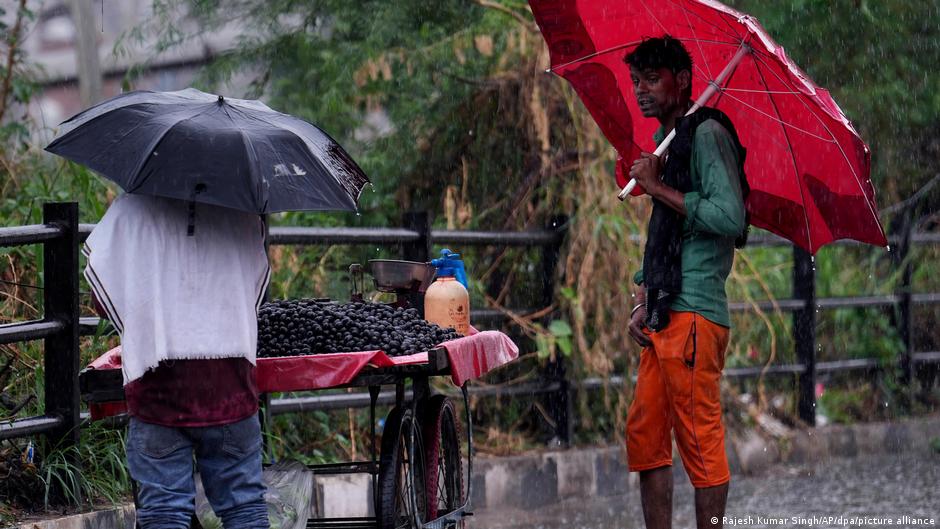
India is anticipating a below-normal monsoon season this year, as reported by the Indian Meteorological Department, which indicates that the expected rainfall will be at 90% of the long-term average. This comes at a critical time when the Indian economy relies significantly on seasonal rains, which account for approximately 70% of the country's water needs.
In a separate political development, the Governor of Karnataka accepted the resignation of Chief Minister Siddaramaiah, paving the way for the selection of a new Chief Minister. It is expected that Deputy Chief Minister D.K. Shivakumar will succeed him, although an official announcement has yet to be made.
Details of the Event
Following his resignation, Siddaramaiah met with Congress party leaders, including Rahul Gandhi, to discuss his future within the party after he declined a seat in the Senate. He expressed gratitude to Gandhi for the opportunity to serve Karnataka twice as Chief Minister.
Meanwhile, weather forecasts suggest that rainfall in Northeast India will be normal, while the northwestern, central, and southern regions of the country are expected to experience below-average precipitation.
Background & Context
Historically, farmers in India depend on monsoon rains to nourish their crops, which significantly impacts the agricultural economy. Recent years have shown that climate change, including the El Niño phenomenon, can adversely affect rainfall patterns, raising concerns about food and water security in the country.
Monsoon rains are a vital part of life in India, replenishing reservoirs and wells, ensuring water availability during dry periods. However, current forecasts indicate that the country may face significant challenges in this regard.
Impact & Consequences
Below-average rainfall can lead to water shortages, affecting agriculture and increasing pressure on water resources. This may result in higher food prices and exacerbate the struggles of farmers who rely on rain to secure their crops.
Furthermore, these conditions could impact overall economic growth, as many sectors, including industry and services, depend on agriculture as a primary source of revenue.
Regional Significance
Regarding the Arab region, climate change and its impact on agriculture and water represent a shared challenge. Water and food crises in India could increase pressures on Arab countries facing similar challenges in managing their water resources.
India is one of the largest economies in the world, and any impact on its agriculture could affect global markets, including Arab nations that import many agricultural products from India.