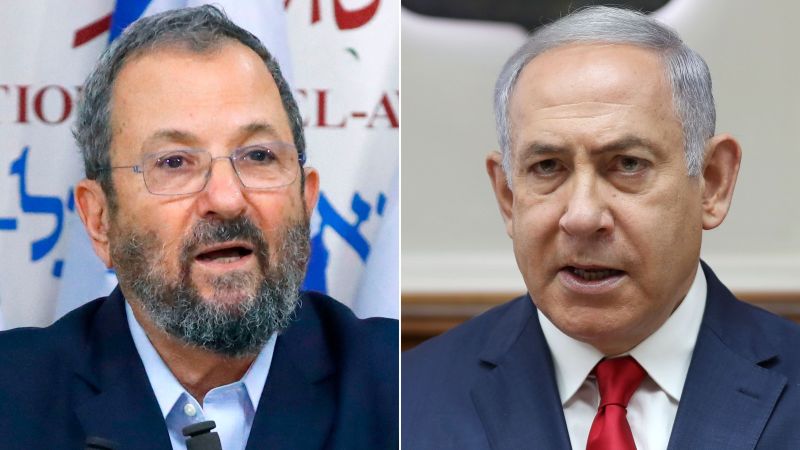
In a surprising move, former Israeli Prime Ministers Ehud Barak and Shimon Peres have announced an agreement to unify their parties against Benjamin Netanyahu, who has been leading the Israeli government for several years. This announcement comes at a time when Israel is experiencing recurring political crises, complicating the political scene further.
The aim of this alliance is to enhance the chances of the Israeli opposition in the upcoming elections, as Barak and Peres seek to form a united front capable of challenging Netanyahu's dominance. Barak noted that this coalition is a necessary step to confront the policies adopted by Netanyahu, which the opposition deems unsuitable for the country's future.
Details of the Agreement
This initiative follows a series of public protests against Netanyahu's government, which has seen a decline in popularity due to issues related to corruption and economic policies. Barak and Peres expressed their readiness to work together to present a compelling alternative to Israeli voters, intending to focus on social and economic issues that concern the Israeli citizen.
Peres also emphasized that the alliance between the two parties will strengthen their chances in the upcoming elections, stating that the time has come to unify efforts for the country's benefit. This coalition could alter the balance of power in the Israeli political arena, especially given the challenges faced by the current government.
Background & Context
Historically, Israel has witnessed numerous political alliances among various parties, particularly during times of crisis. Previous alliances have always aimed to confront internal and external challenges. In recent years, political divisions in the country have increased, leading to repeated elections without achieving decisive results.
Barak and Peres are prominent figures in Israeli politics, having held significant positions in past governments. Barak, who served as Prime Minister in the 1990s, is known for his strong stances on security issues, while Peres, who held the position of President, is regarded as a symbol of peace in the region.
Impact & Consequences
This alliance is expected to have a significant impact on the upcoming elections, as it may attract voters who are frustrated with Netanyahu's policies. The coalition between Barak and Peres could contribute to reshaping the Israeli political landscape and provide hope for the opposition to achieve better results.
Moreover, this alliance may encourage the formation of other coalitions among different Israeli parties, further complicating the political scene. If this coalition succeeds, it could lead to changes in Israeli policies regarding both domestic and foreign issues.
Regional Significance
Although this alliance pertains to internal Israeli affairs, it has implications for the Arab region. Changes in Israeli leadership could affect relations with Arab countries, especially amid ongoing tensions in the Israeli-Palestinian conflict.
If the opposition manages to achieve successes in the elections, it could lead to changes in policies towards Palestinians, potentially opening up new opportunities for peace. At the same time, Arab countries are closely monitoring this development, as any change in the Israeli government could impact the stability of the entire region.