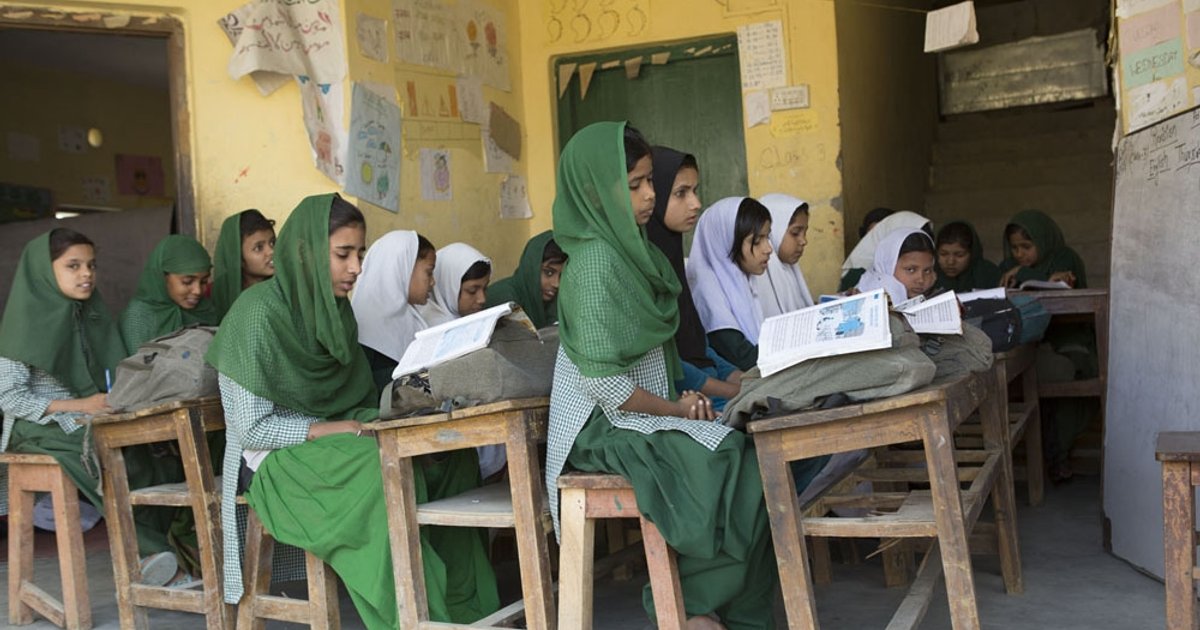
The Ministry of Islamic Affairs and Call organized a foundational scientific course in Nepal, aimed at promoting correct religious understanding and teaching Islamic sciences. The course saw participation from several local scholars and preachers, covering various topics related to jurisprudence and creed.
This course is part of the ministry's efforts to spread and teach Islamic culture in various countries around the world, especially in areas that require support in this field. Nepal was chosen due to its cultural and religious diversity, making it an ideal environment for exchanging knowledge and experiences.
Event Details
The course included lectures and workshops presented by several renowned scholars in the Islamic world, addressing topics related to the interpretation of the Holy Quran, jurisprudential rulings, and the importance of calling to Allah. Time was also allocated for open discussions among participants, allowing them to ask questions and seek clarifications.
Moreover, the importance of religious education in building communities and promoting Islamic values was highlighted, with participants emphasizing the need for more courses and educational programs in the future.
Background & Context
Nepal is considered a predominantly Hindu country, but it also hosts a significant number of Muslims. Historically, Nepal has witnessed multiple cultural and religious interactions, making it a center for the convergence of ideas and religions. In recent years, the need to enhance Islamic education in the country has increased, especially in light of the challenges faced by Muslim communities there.
The Ministry of Islamic Affairs seeks to strengthen relations with Islamic and non-Islamic countries by providing educational and advocacy support, contributing to the dissemination of moderation and balance in Islamic thought.
Impact & Consequences
The ministry expects this course to improve the level of religious education in Nepal, which will positively reflect on local communities. Additionally, enhancing the correct understanding of religion will help reduce cultural and religious gaps among different groups.
Furthermore, these initiatives reflect the Kingdom of Saudi Arabia's commitment to supporting Islamic education worldwide, reinforcing its role as a major supporter of peace and tolerance.
Regional Significance
This course serves as a model for how to enhance cooperation between Arab countries and other nations in the field of education and advocacy. It also underscores the importance of exchanging knowledge and experiences among different cultures, contributing to mutual understanding.
In conclusion, these efforts help build bridges of communication between communities, enhancing stability and peace in the region.