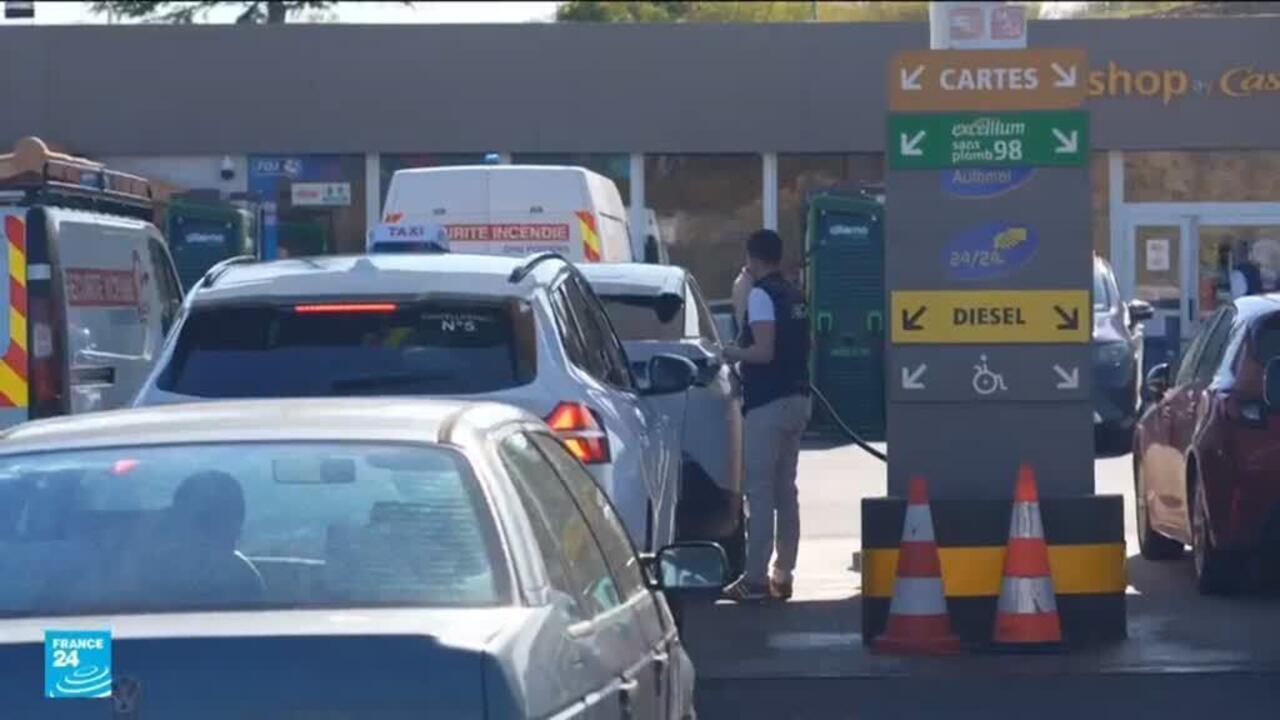
The French government has unveiled a new aid plan aimed at supporting the sectors most affected by rising fuel prices, with the total value of this assistance reaching approximately 70 million euros. The plan encompasses vital areas such as fisheries, agriculture, and the transportation sector, which is particularly suffering from the repercussions of increased prices.
French Prime Minister Sébastien Lecornu explained that these measures are part of the government's efforts to tackle the economic challenges faced by citizens and productive sectors. He emphasized that the aid will be renewable on a monthly basis, reflecting the government's commitment to providing ongoing support to those affected.
Details of the Initiative
This step comes at a time when France, like many European countries, is witnessing a significant rise in fuel prices due to several factors, including geopolitical disruptions and changes in global energy markets. These price increases have greatly impacted transportation and production costs, prompting the government to take swift action to mitigate their effects.
The aid plan specifically targets fishermen and farmers, who heavily rely on fuel for their daily operations. It also includes support for transportation companies that are struggling to adapt to the rising prices, which could affect their competitiveness in the market.
Background & Context
Historically, France has relied on traditional energy sources, but with increasing environmental and economic pressures, the government has begun to seek more sustainable alternatives. However, transitioning to alternative energy sources requires time and significant investment, leaving traditional sectors in a vulnerable position.
In recent years, France has seen widespread protests against rising living costs, increasing pressure on the government to take effective action. The Yellow Vest movement is a prime example of this, where citizens took to the streets demanding tax reductions and improved economic conditions.
Impact & Consequences
The aid plan is expected to alleviate financial pressures on the affected sectors, potentially helping to stabilize prices in the short term. However, economic challenges remain, as the French government must consider long-term solutions to address rising energy prices.
These measures may also impact the state budget, necessitating a delicate balance between supporting affected sectors and maintaining financial stability. If successful, this plan could serve as a model for other countries facing similar challenges.
Regional Significance
Fuel prices and economic challenges are common issues among many Arab countries, which heavily rely on oil as a primary source of revenue. With global prices rising, these nations may face similar pressures affecting living standards.
Furthermore, France's experience in supporting affected sectors may provide valuable lessons for Arab countries on how to handle economic crises. It is crucial for Arab governments to adopt effective strategies to support their citizens in the face of increasing economic challenges.