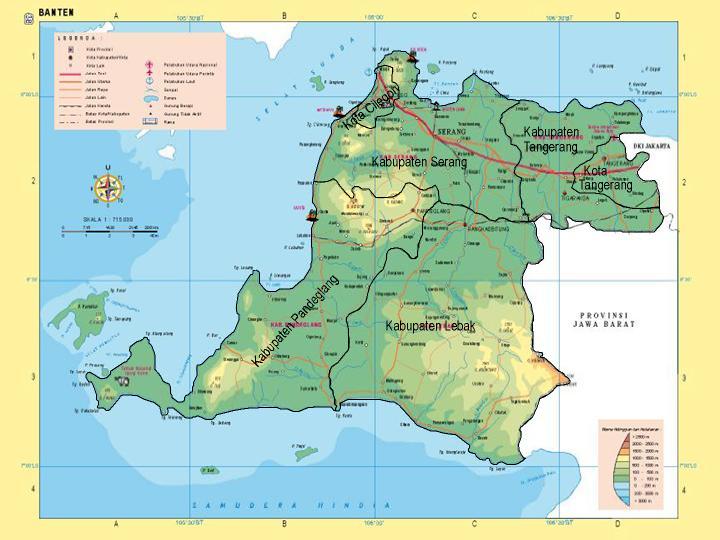
The reports indicate that the free nutrition program (MBG) in the Indonesian province of Banten has successfully reached around 2.9 million beneficiaries. This announcement was made during a coordination meeting held in the city of Serang, where the Deputy Head of the National Nutrition Office, Dadan Hendrayota, emphasized the importance of this program in improving the health of the population.
Currently, there are 1,084 nutrition service units operating in Banten province, providing nutritional support to those in need. Hendrayota pointed out that the success of this program is the result of collaboration among various sectors, in accordance with Indonesian Presidential Decree No. 28 of 2025 regarding the establishment of a coordination team for the implementation of the free nutrition program.
Event Details
The Indonesian government is paying special attention to accelerating the implementation of the program in the most marginalized areas, such as the districts of Lebak and Pandeglang. Currently, 131 new units are being constructed in these areas to meet the needs of the local population.
These regions are prioritized due to their demographic composition and the needs of the beneficiaries, which include targeted groups such as children and the elderly. Hendrayota confirmed that the quality of the program depends on specific standards related to nutritional components, such as protein, carbohydrates, and fiber.
Background & Context
Historically, Indonesia has faced significant challenges in the field of nutrition, with high rates of malnutrition, especially in remote areas. The government has launched several programs to improve the nutritional situation, but the free nutrition program represents a new step towards achieving sustainable development goals.
The Indonesian government aims to enhance food security by improving local supply chains, which contributes to reducing reliance on food imports. This program is part of a comprehensive strategy aimed at improving the standard of living in the country.
Impact & Consequences
The success of the free nutrition program could contribute to improving public health and reducing rates of diseases associated with malnutrition. It also reflects the government's commitment to enhancing the well-being of citizens, which may lead to increased productivity in the future.
Furthermore, the focus on remote areas enhances economic development opportunities in those regions, as improved nutrition can lead to increased work capacity and better education outcomes.
Regional Significance
Nutrition and food security are vital issues in many Arab countries, where some regions face similar challenges. Indonesia's experience in implementing the free nutrition program could serve as a model for Arab countries seeking to improve nutrition levels among their populations.
In conclusion, the free nutrition program in Banten represents an important step towards improving public health and promoting sustainable development, opening new avenues for cooperation among countries in the field of food security.