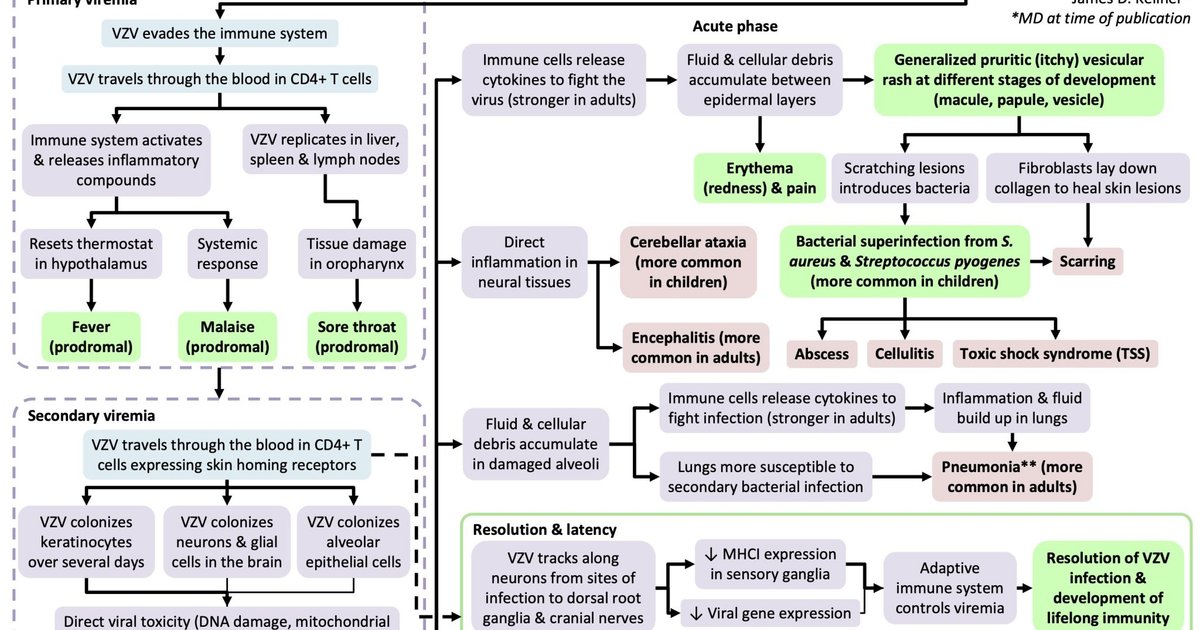
Dr. Vito Damai, a cardiovascular specialist, emphasized during a discussion in Jakarta that the chickenpox virus does not disappear from the body after recovery; instead, it remains dormant in the nerves, hiding near the spinal cord. When the body's immunity decreases, the virus can reactivate and cause another illness known as shingles.
Dr. Damai pointed out that individuals with weakened immunity, such as the elderly or those with health conditions like obesity, heart disease, or diabetes, are at a higher risk of developing shingles. Additionally, psychological stress can also lead to decreased immunity, increasing the likelihood of the virus reappearing.
Details of Chickenpox and Shingles
Chickenpox is a common illness that affects children, but it can return in a more severe form in adults. According to Dr. Damai, symptoms include fever and pain in specific areas of the body, and some may mistake these symptoms for ordinary ailments until blisters filled with fluid appear, causing severe pain.
Symptoms typically manifest as red spots that develop into fluid-filled blisters, leading the patient to experience intense pain that can disrupt daily activities. This condition is also known as herpes zoster.
Background & Context
The varicella-zoster virus belongs to the herpesvirus family and was first discovered in the 19th century. After contracting chickenpox, the virus remains dormant in the body, making it a subject of study in medical and health sciences. Understanding the behavior of this virus is crucial for developing effective prevention and treatment strategies.
Historically, chickenpox cases were common worldwide, but with the advancement of vaccines, infection rates have significantly decreased. However, the virus still exists in the community, necessitating ongoing awareness of how to manage it.
Impact & Consequences
Studies show that shingles can lead to long-term health complications, such as chronic nerve pain. This condition affects the quality of life, as patients suffer from persistent pain that may last for years after recovery.
This condition requires special medical attention, as it can impact the ability to work or engage in daily activities. Therefore, it is essential to raise awareness about how to handle the virus and methods of prevention.
Regional Significance
In regions where healthcare access is limited, the implications of shingles can be particularly severe. The burden of this disease can strain healthcare systems and affect economic productivity. Public health initiatives focusing on vaccination and education about the virus are vital in reducing its prevalence.
In conclusion, understanding the varicella-zoster virus's behavior is essential for developing effective strategies for prevention and treatment. Increased awareness can help mitigate the risks associated with weakened immunity and the potential reactivation of the virus.