Recent studies reveal that everyday foods can effectively improve gut health, surpassing the benefits of yogurt and probiotic supplements. These foods include avocado, beans, garlic, oats, and flaxseeds.
As the focus on gut health increases globally, experts discuss the microbiome, which consists of trillions of bacteria living in the digestive system, as a crucial element affecting digestion, immunity, and other bodily functions. Beyond traditional probiotic-rich foods, some everyday items rich in fiber, prebiotics, and anti-inflammatory properties may also help support gut health.
Event Details
Nutrition specialist Robin DiCicco, based in New York, told Fox News: "Yogurt, kombucha, and sauerkraut provide probiotics, which are live bacteria, while foods like beans and oats provide prebiotics, which help nourish those bacteria." She added, "Beneficial bacteria may not survive without prebiotics... so you need both together."
Avocado is widely known for its healthy fats, but it also offers about 14 grams of fiber in a single fruit. This fiber may help support digestion, alongside nourishing beneficial bacteria in the gut. Large studies in recent years have shown that daily avocado consumption may increase beneficial gut bacteria.
In a randomized trial lasting 12 weeks, overweight or obese adults who consumed avocado daily experienced greater diversity in their gut microbiome and an increase in certain types of bacteria that ferment fiber, according to a study published in the Journal of Nutrition.
Background & Context
Beans, lentils, and chickpeas are rich in both soluble and insoluble fiber, making them an excellent choice for gut health. Research suggests that legumes may help increase beneficial bacteria and support metabolic health. DiCicco stated, "The more fiber you consume, the more you support beneficial gut bacteria."
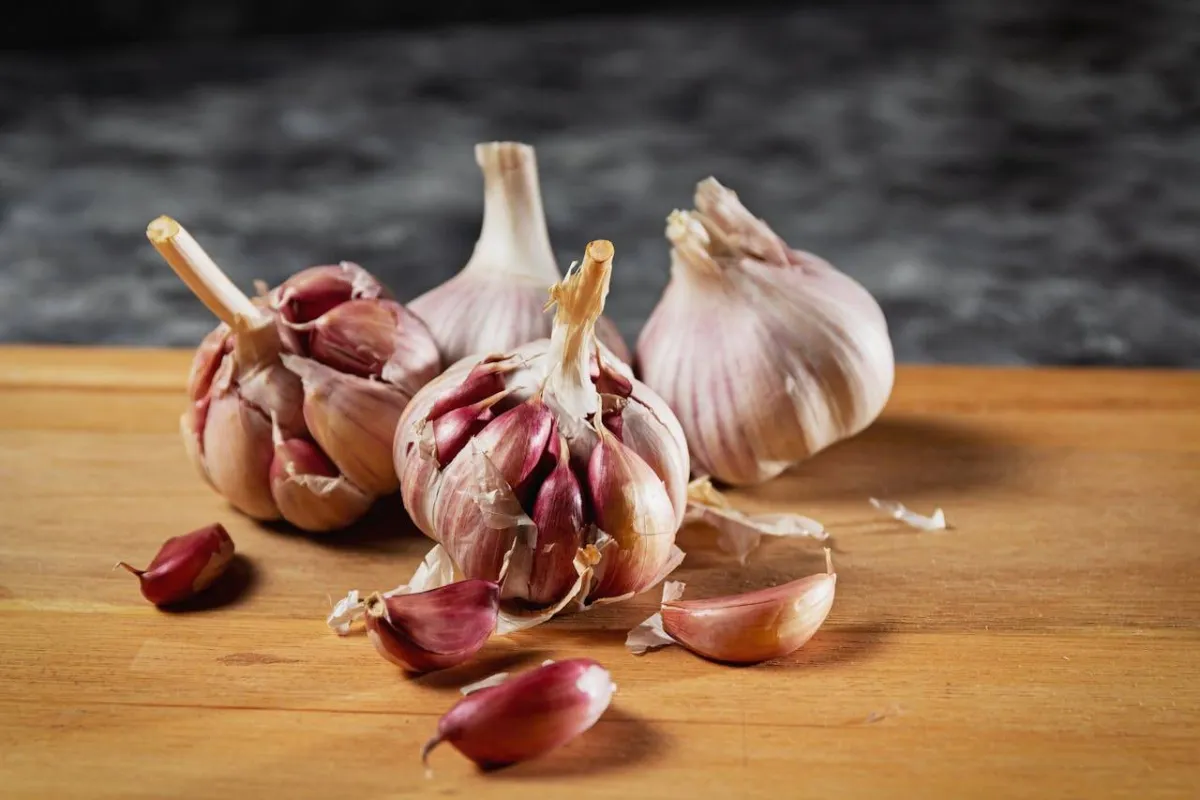
She also advised gradually adding beans to the diet to avoid bloating, soaking dried beans beforehand to ease digestion. While garlic is famous for adding flavor to food, it also contains compounds that may benefit the gut microbiome.
Impact & Consequences
Garlic is rich in prebiotics that nourish good bacteria and contains natural sugars known as fructans, which may help stimulate the growth of probiotics in the gut. Recent research indicates that compounds found in plant foods like garlic are metabolized by gut bacteria and may help promote a healthier microbiome.
A warm bowl of oatmeal may offer more than just a feeling of warmth. The fiber it contains has been shown to support gut health by promoting the growth of beneficial bacteria. DiCicco explained that "oats are excellent for eliminating waste and alleviating constipation."
Regional Significance
Flaxseeds have gained popularity as a superfood, with DiCicco praising them as a "comprehensive healing food," extending their benefits to gut health. They are rich in both soluble and insoluble fiber, which helps nourish gut bacteria and promote regular bowel movements.
Flaxseeds also contain plant-based omega-3 fatty acids and compounds known as lignans, which possess antioxidant and anti-inflammatory properties. For easier digestion, it is preferable to consume flaxseeds ground, along with drinking plenty of water. They can be added to foods like oatmeal, yogurt, smoothies, eggs, and salads.
Turmeric has been an effective remedy in traditional Chinese medicine for centuries. Curcumin, the active compound in turmeric, is a powerful anti-inflammatory and antioxidant that may help treat a range of diseases and health conditions.