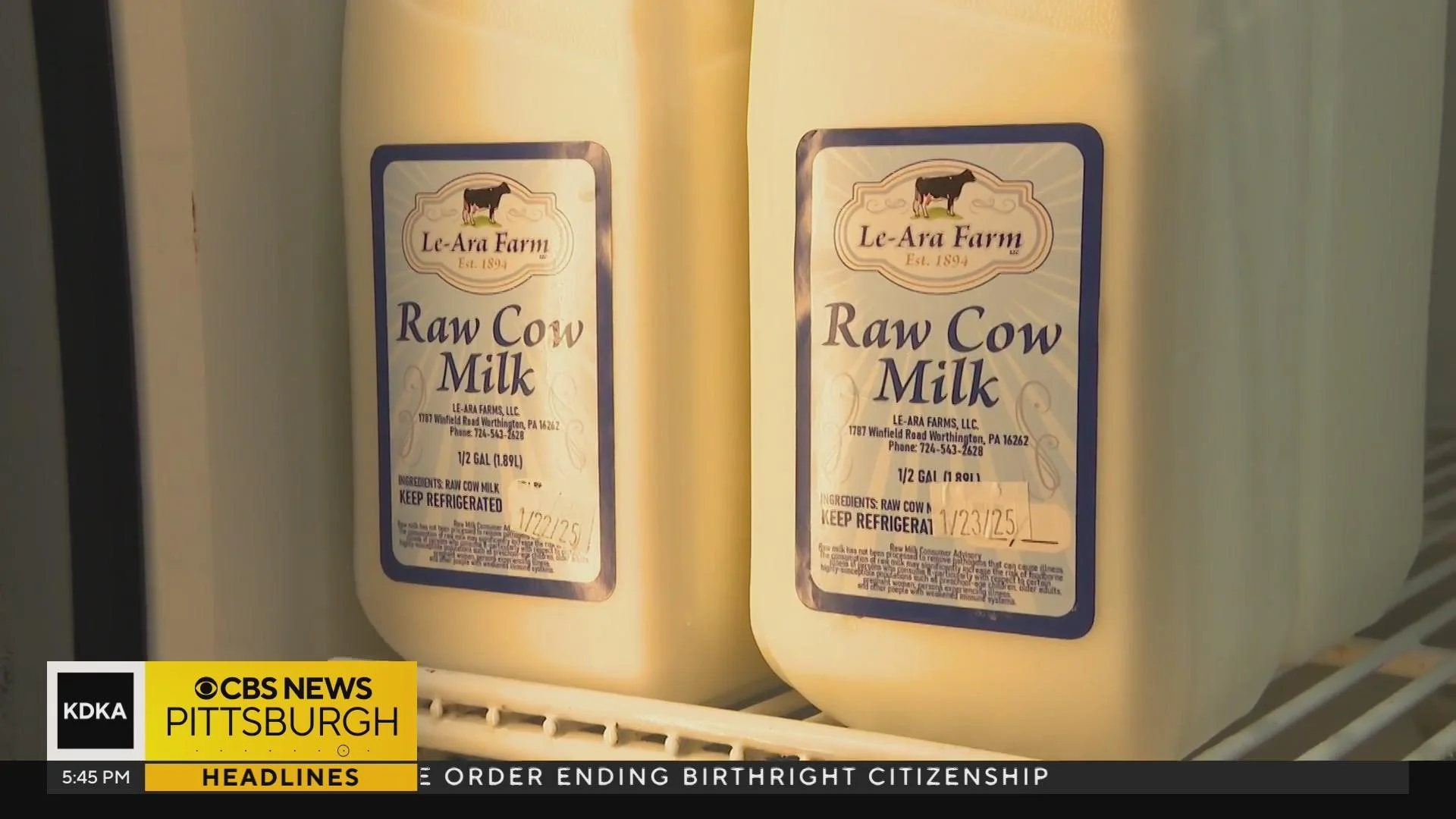
The United States has recently seen a noticeable increase in demand for raw milk, which raises alarms among scientists and health experts. Despite repeated warnings about the health risks associated with consuming unpasteurized milk, many consumers prefer this type of milk for its flavor and perceived health benefits.
Reports indicate a rise in the number of farms offering raw milk, as many seek to meet the increasing demand from consumers who believe that unpasteurized milk contains greater nutritional benefits. However, this trend comes at a time when the country has witnessed outbreaks of illnesses linked to raw milk consumption, raising questions about the safety of this choice.
Event Details
In recent years, raw milk has become a controversial topic in the United States. Studies have shown that consuming unpasteurized milk can lead to serious illnesses such as salmonella and listeria. Nevertheless, there is a growing number of consumers who prefer raw milk, reflecting changes in consumption habits.
The number of farms offering raw milk is significantly increasing, with some farmers promoting the benefits of unpasteurized milk, such as improved digestion and enhanced immunity. However, these claims have not been scientifically proven, prompting experts to warn about potential health risks.
Background & Context
Historically, raw milk has been part of the diet in many cultures, but it has seen a significant decline in recent years due to health concerns. In the United States, strict regulations have been imposed on the sale of unpasteurized milk in many states, leading to a reduction in its prevalence. However, increasing awareness about natural foods and sustainable agricultural practices has contributed to a resurgence of interest in raw milk.
In recent years, some states like California and Texas have seen an increase in the number of farms offering raw milk, reflecting a shift in consumer preferences. Yet, this trend is not without risks, as studies indicate that unpasteurized milk can harbor harmful bacteria.
Impact & Consequences
The health and social implications of this growing trend towards raw milk consumption are manifold. From a health perspective, increased consumption of unpasteurized milk could lead to a rise in foodborne illness cases, placing additional strain on the healthcare system. This trend may also influence public health policies, as governments might need to reassess laws regarding the sale of raw milk.
Socially, this trend could create a divide between consumers who prefer raw milk and those who opt for pasteurized milk. This division could affect local markets and create new challenges for farmers trying to meet the needs of all consumers.
Regional Significance
Although this trend is concentrated in the United States, it could have implications for the Arab region. The increasing awareness of natural foods and sustainable agricultural practices may lead to a rise in demand for raw milk in some Arab countries. However, there must be an awareness of the health risks associated with this type of milk.
Ultimately, consumers need to be aware of the potential risks associated with raw milk consumption and make informed decisions based on available information. Additionally, governments and health authorities should work to educate the public about the risks and potential benefits of raw milk.