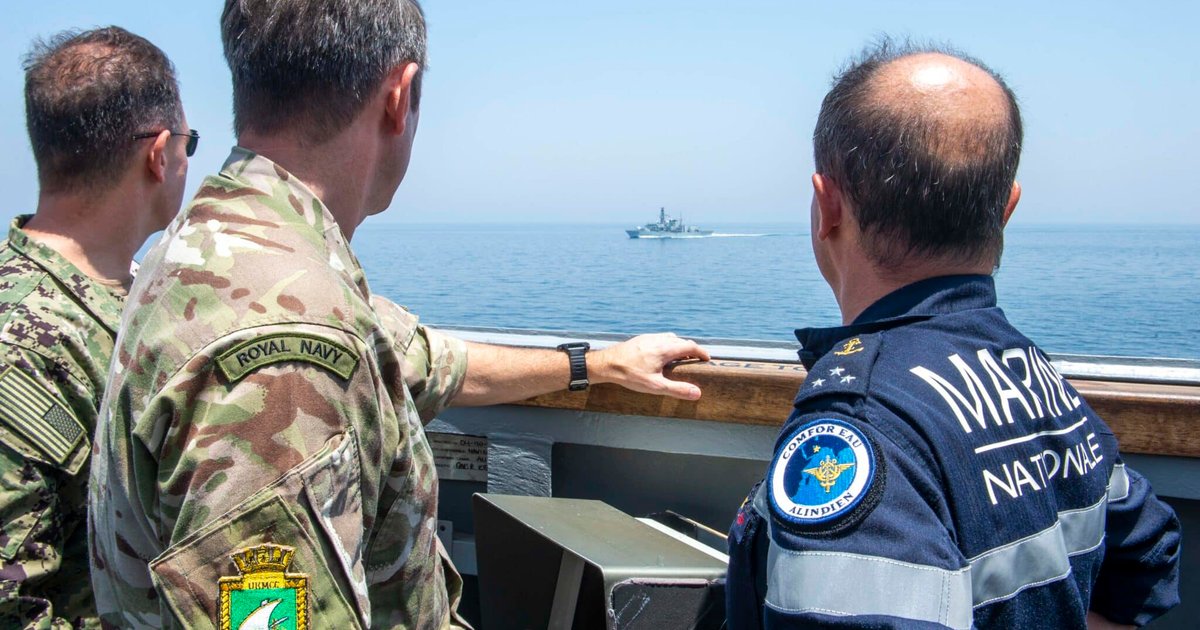
Seven vessels from the French Bourbon company are facing significant challenges in the Strait of Hormuz, where their crews are threatened by Iranian missiles. The sailors are demanding salary increases to align with international standards, highlighting the rising risks for commercial ships in this vital region.
These vessels provide logistics to oil and gas platforms in the Arabian Gulf, making them potential targets amid escalating tensions between Iran and Western countries. Concerns are growing that these threats could impact global energy supplies, necessitating greater international attention.
Details of the Incident
The seven ships are providing logistical services to oil and gas platforms in the Arabian Gulf, a region considered one of the most vital in the world in terms of energy production. With the escalation of political and military tensions, the maritime crew finds themselves in an unstable position, facing direct threats from Iranian missiles.
This situation underscores the urgent need to improve working conditions for sailors, as they are demanding salary increases to meet international standards. This demand indicates the importance of recognizing the risks these workers face under the current circumstances.
Background & Context
Historically, the Strait of Hormuz has witnessed recurring tensions between Iran and Western countries, especially following the United States' withdrawal from the Iranian nuclear deal in 2018. Since then, military threats have escalated, affecting maritime navigation in the region.
Iran considers the Strait of Hormuz a strategic point, through which approximately 20% of global oil supplies pass. In recent years, Iran has used military threats as a means to pressure Western countries, exacerbating tensions in the region.
Impact & Consequences
The threats directed against commercial ships could lead to an increase in global oil prices, impacting the global economy as a whole. Furthermore, the continuation of these tensions may lead to greater military escalation, threatening the safety of maritime navigation in the region.
These circumstances require a coordinated international response to ensure maritime safety and protect the rights of sailors. Diplomatic efforts must be made to de-escalate tensions and ensure stability in the region.
Regional Significance
The Arabian Gulf region is a vital hub for Arab economies, with many countries relying on oil and gas exports. Any threats to navigation in the Strait of Hormuz could directly impact these economies, prompting Arab nations to take preventive measures to protect their interests.
In light of these circumstances, Arab countries must enhance security and economic cooperation to ensure regional stability and protect their strategic interests.