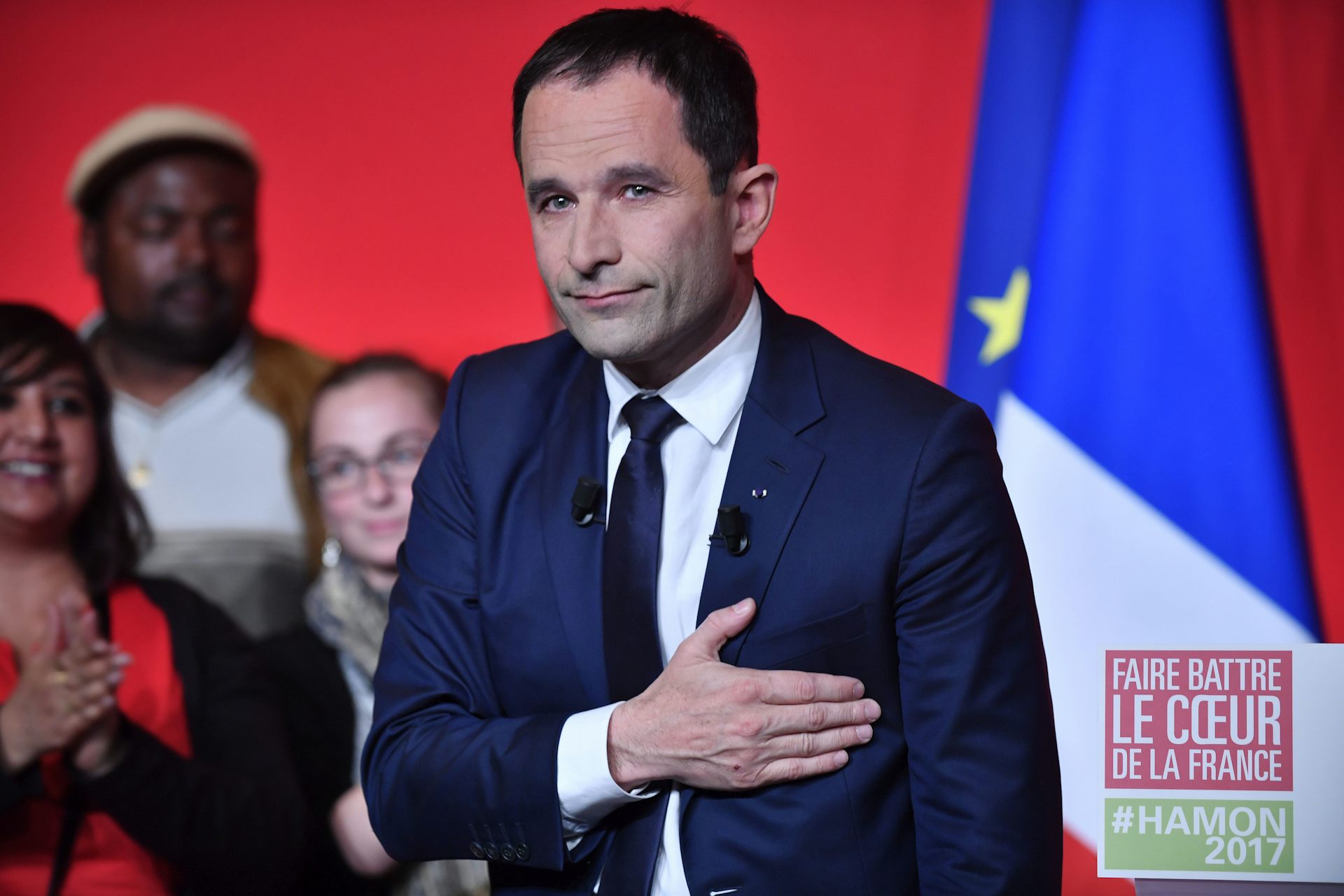
The French Socialist Party has been hit by a severe internal split after two prominent leaders, Boris Vallaud and Nicolas Mayer-Rossignol, withdrew from the national office in protest against the leadership's refusal to put forward a proposal for a vote to choose the party's presidential candidate for the upcoming election.
This decision is seen as a significant blow to the party, which is seeking to regain its political strength in the face of increasing challenges. Vallaud and Mayer-Rossignol pointed out that the refusal to allow the proposal for a vote reflects the leadership's disregard for the opinions of the party's grassroots members.
Details
During a meeting of the national office, a proposal was put forward that party members should be able to choose their own candidate for the presidential election, but the proposal was rejected, leading to the withdrawal of the two leaders. This move highlights growing discontent with the party's management.
This division comes at a sensitive time, as the party is trying to regain its popularity after a significant decline in the previous elections. Many observers believe that the party needs to re-evaluate its strategies to compete seriously.
Background & Context
The French Socialist Party was founded in 1969 and has played a significant role in French politics, but it has witnessed a marked decline in recent years. This crisis reflects the challenges the party faces in its attempt to return to the political scene.
Impact & Consequences
The current division could have a significant impact on the party's chances in the upcoming presidential election, as it may find itself in a weak position against its competitors. This division could also lead to the fragmentation of the party into different factions, further complicating the political landscape in France.
Regional Significance
The French Socialist Party's internal division reflects the challenges faced by traditional parties in France, highlighting the importance of political unity in the face of crises.
The party's leadership has been criticized for its handling of the situation, with some accusing it of being out of touch with the party's grassroots members. The party's future is uncertain, and it remains to be seen how it will recover from this internal split.