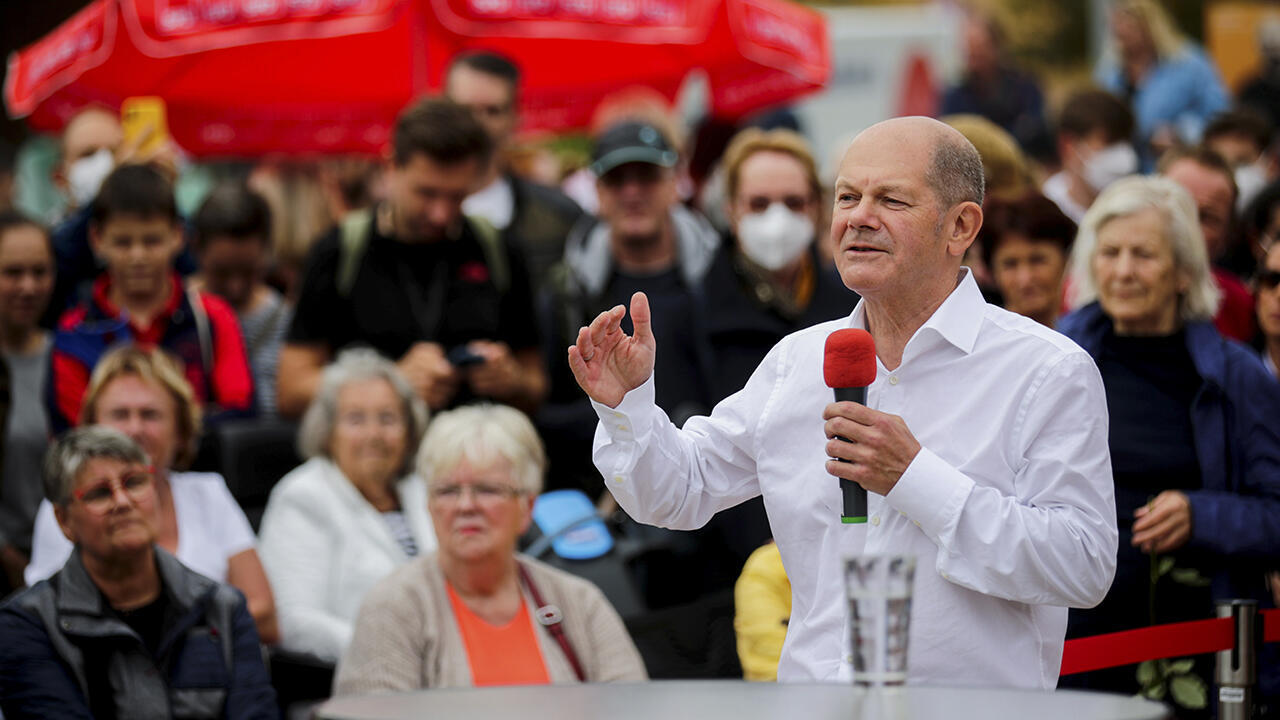
Olivier Faure, the leader of the French Socialist Party, confirmed that there will be no national agreement between his party and La France Insoumise (LFI) in the upcoming presidential and legislative elections scheduled for 2027. This confirmation came during a national party meeting, which was notably tense due to sharp criticisms from some members regarding previous alliances made between certain candidates and LFI during municipal elections.
These statements come at a sensitive time for the Socialist Party, which is striving to regain its political stature after a decline in popularity in recent years. Several members expressed their dissatisfaction with past alliances, arguing that they harmed the party's image and weakened its position in the French political arena.
Details of the Meeting
The Socialist Party held a national meeting on Tuesday, where numerous important issues were discussed, including preparations for the upcoming elections. During the meeting, Faure faced criticism from some members who believed that previous alliances with LFI were unproductive and led to the erosion of the party's electoral base.
In light of these criticisms, Faure emphasized that the party would not pursue any new alliances with LFI, indicating that the party needs to rebuild its self-confidence and restore its independent political identity. He also highlighted the importance of focusing on core issues that matter to voters, such as social and economic justice.
Background & Context
The French Socialist Party is one of the oldest political parties in France and has undergone significant transformations over the years. In recent years, the party has faced major challenges due to a decline in its popularity in the face of the rise of other parties, such as LFI led by Jean-Luc Mélenchon. This has resulted in divisions within the party regarding electoral alliance strategies.
The recent municipal elections saw alliances between some Socialist candidates and LFI, which sparked widespread controversy within the party. These alliances were viewed by some members as an ill-considered step, as they did not yield the desired results and negatively impacted the party's image.
Impact & Consequences
Faure's decision not to ally with LFI could have significant implications for the future of the Socialist Party. On one hand, this decision may help the party regain its independent political identity; however, on the other hand, it could increase the party's isolation amid the growing political conflict among various parties in France.
This decision may also affect voters who are seeking new political options, as they may find themselves facing limited choices in the upcoming elections. In the context of increasing political polarization, it will be crucial for the Socialist Party to present a clear and appealing vision to voters.
Regional Significance
Although this news pertains to French affairs, it may have potential implications for the Arab region. Political conflicts and electoral alliances in Western countries can influence foreign policies towards Arab states, especially in light of the political and social changes occurring in the region.
The experience of the French Socialist Party may offer lessons for many political parties in the Arab world, as they can learn from the mistakes and successes in building political alliances and how to deal with internal challenges.
In light of the current political challenges, it appears that the French Socialist Party is seeking to rebuild itself away from controversial alliances. It will be interesting to see how this strategy will affect the outcomes of the upcoming elections.