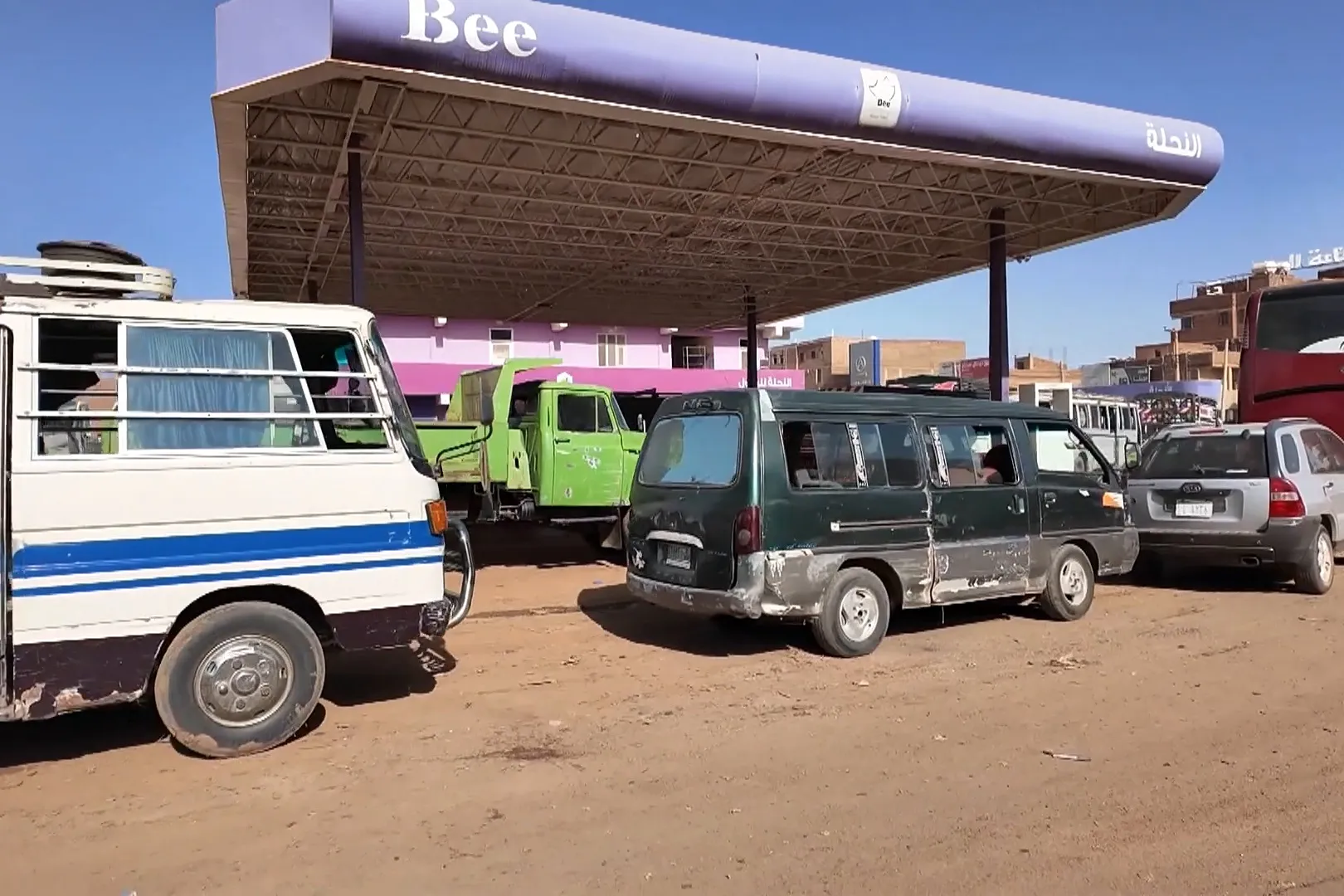
A state of concern prevails in Sudan due to the worsening fuel crisis, as many cities experience long lines at service stations. This crisis coincides with rising global fuel prices, increasing pressure on the transportation sector and raising fears about its impact on the prices of essential items such as bread.
The Sudanese Ministry of Oil confirmed that the current increases in fuel prices are due to the significant rise in global prices. This increase is a result of escalating tensions related to Iran, leading to increased demand for fuel and rising prices in global markets.
Details of the Crisis
Reports indicate that the crisis has led to heightened congestion at fuel stations, with citizens spending long hours waiting to obtain fuel. This situation reflects the significant challenges faced by Sudanese people in their daily lives, as many rely on public transportation, which has been severely affected by the fuel shortage.
The crisis has also impacted trade movement, as merchants struggle to transport goods to markets. This situation could lead to further price increases, exacerbating the suffering of citizens who are already facing difficult economic conditions.
Background & Context
Historically, Sudan has experienced similar fuel crises, but the current crisis comes at a sensitive time as the Sudanese economy faces multiple challenges. Following the secession of South Sudan in 2011, Sudan lost a significant portion of its oil resources, negatively affecting the national economy.
In recent years, the Sudanese government has attempted to address these challenges through economic reforms, but these efforts have not yielded the desired results. The rise in global oil prices complicates the situation further, as Sudan heavily relies on fuel imports to meet its needs.
Impact & Consequences
Reports expect that the fuel crisis will continue to affect the Sudanese economy in the near future. If global prices continue to rise, this could worsen economic conditions, increasing pressure on citizens.
Furthermore, the ongoing crisis could impact social stability, as rising prices may lead to public protests. The Sudanese government faces significant challenges in managing this crisis, as it needs to take swift and effective measures to alleviate citizens' suffering.
Regional Significance
The fuel crisis in Sudan is part of a larger problem facing many Arab countries, all of which are affected by changes in global oil prices. These crises could exacerbate economic conditions in the region, increasing social and political tensions.
It is crucial for Arab countries to cooperate to address these challenges, as economic crises can lead to instability in the region. Strengthening economic cooperation among Arab nations could be an effective solution to confront these crises.