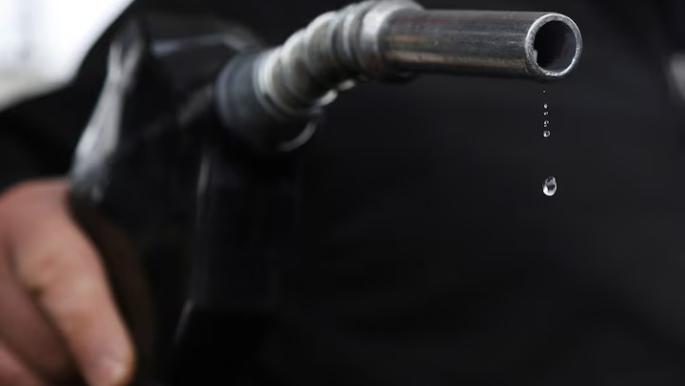
Gas prices in the United States have crossed the $4 per gallon mark, amid escalating military tensions between the United States and Iran, alongside a continuous rise in global oil prices. This price increase places additional pressure on American households, raising widespread concerns about the economic and social impact of this crisis.
Reports indicate that gas prices have seen a significant rise over the past few weeks, increasing by up to 20% compared to previous weeks. This spike comes at a time when many families are grappling with the effects of inflation and rising living costs, further intensifying financial pressures on citizens.
Details of the Event
As tensions rise between the United States and Iran, oil prices continue to climb due to fears of supply disruptions. Global markets have experienced substantial volatility, with oil prices reaching levels not seen in several years. This situation directly reflects on gas prices at American fuel stations, causing concern among consumers.
The United States is one of the largest oil consumers in the world, and any price increase significantly impacts the American economy. Experts have indicated that this price hike could lead to a decrease in consumer spending, which may negatively affect economic growth.
Background & Context
Historically, relations between the United States and Iran have been strained, especially following the U.S. withdrawal from the nuclear agreement in 2018. Since then, the region has witnessed a rise in military tensions, impacting global oil markets. This political backdrop plays a significant role in determining oil prices, and consequently, gas prices in the United States.
In recent years, oil prices have experienced substantial fluctuations due to geopolitical crises, making markets sensitive to any new developments. With the current tensions escalating, analysts predict that oil prices will continue to rise, which will directly affect gas prices.
Impact & Consequences
The implications of rising gas prices extend beyond the immediate economic impact. As financial pressures on households increase, consumers may reduce spending in other areas, affecting the economy as a whole. Additionally, rising prices could lead to an increase in inflation rates, complicating the economic situation further.
Politically, these circumstances may influence U.S. government decisions regarding foreign policy, as the administration may be compelled to take steps to alleviate economic pressures on citizens. This could include measures to boost domestic production or seeking diplomatic solutions to ease tensions with Iran.
Regional Significance
The Middle East is one of the most affected regions by fluctuations in oil prices, as many Arab countries rely on oil revenues as a primary source of income. With rising oil prices, some countries may benefit from increased revenues, while others may suffer from the repercussions of higher prices on their economies.
Moreover, tensions between the United States and Iran could impact regional stability, increasing the risks of military escalation in the area. This situation could negatively affect security and stability in neighboring countries, necessitating proactive measures from Arab governments to address these challenges.
In conclusion, the rise in gas prices in the United States is a direct result of tensions with Iran and increasing oil prices, which heightens economic pressures on American families and raises significant political and economic implications. It is crucial to monitor the developments of this situation and its impact on the Arab region and the world.