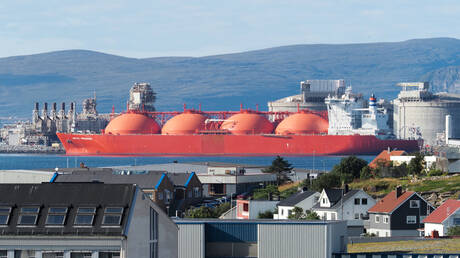
Gas prices in Europe experienced a decline during afternoon trading today, influenced by former U.S. President Donald Trump's statements regarding the postponement of strikes against the Iranian energy system. Prices dropped by 7%, reaching $660 per thousand cubic meters.
Analyses indicate that Trump's remarks helped alleviate the anxiety that had been dominating the markets, resulting in a decrease in gas prices at a time when the European market is grappling with high prices and strong competition. This decline follows a period of regional and international concern regarding energy security amid escalating tensions between Washington and Tehran, which is considered one of the main sources of energy exports in the region.
Details of the Event
As markets anticipated a military escalation that could negatively impact energy supplies, Trump's statements acted as a calming factor. His remarks resonated widely in the markets, with investors responding positively, leading to a noticeable drop in prices. This decline is the first of its kind in a while and comes at a sensitive time coinciding with European preparations for winter, which typically increases gas demand.
Overall, Trump's statements aim to reaffirm the United States' position on the Iranian conflict; however, their direct impact on energy prices demonstrates how political news can quickly influence the global economy.
Background & Context
The drop in gas prices comes at a time when Europe is facing a sharp rise in energy prices due to geopolitical tensions and economic crises. Gas prices have seen unprecedented increases amid conflicts, particularly following the Russian invasion of Ukraine and the overall shortage in global supplies.
In recent years, Europe has heavily relied on Russian and Arab gas, making it vulnerable to fluctuations stemming from political conflicts. Additionally, discussions regarding Iran highlight the shifting geopolitical landscape that directly affects the future of gas supplies on the continent.
Impact & Consequences
This decline may carry clear implications for the market in the short term. An improvement in gas prices offers some hope for European economies suffering from the burden of inflation and rising costs. However, it remains essential to monitor developments in the Middle East, where escalating tensions could reignite prices once again.
This also highlights the vulnerability of the European market to political events and underscores the need to diversify energy sources to mitigate reliance on specific markets. Such diversification could enhance sustainability and energy security in the future, especially as Europe moves towards renewable energy.
Regional Significance
When gas prices drop in Europe, it may also affect prices in Arab markets, particularly for those countries that rely on selling gas to Europe. In this context, Arab producers may face challenges related to pricing that could impact the revenues of energy-rich Gulf states.
There are also side effects concerning energy policies in producing countries; nations like Qatar, which is considered the capital of liquefied natural gas, may see a shift in their export strategies to align with changing demand in global markets.
In summary, developments in gas prices impact not only the European economy but also cast shadows on economic stability in the Middle East.
In conclusion, Arab and European markets must closely monitor geopolitical conditions, as any changes could lead to significant fluctuations in the energy sector.