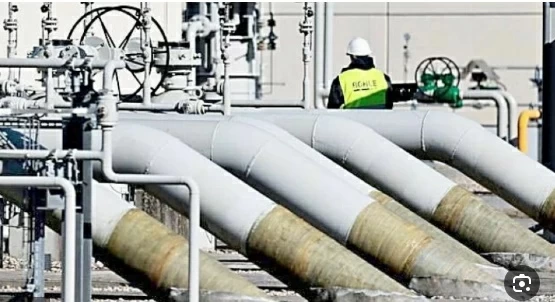
Natural gas prices in Europe have significantly decreased, falling by up to 20% following the announcement of an agreement between the United States and Iran for a two-week ceasefire. This agreement permits safe passage of oil and gas through the Strait of Hormuz, contributing to easing pressures on the European market.
As of 8:41 AM in Amsterdam, Dutch futures for the nearest expiry - the European benchmark for gas - dropped by 17%, reaching 44.13 euros per megawatt-hour. This decline marks the lowest level since March 2 and follows a period of price increases due to geopolitical tensions.
Details of the Agreement
US President Donald Trump agreed to suspend bombing in exchange for allowing Iran safe passage through the Strait of Hormuz. Tehran has confirmed the feasibility of this arrangement in coordination with its armed forces, although it has not fully disclosed the details of the agreement.
The near-total closure of this waterway, through which about one-fifth of global oil and liquefied natural gas supplies pass, had caused a supply shock and a sharp rise in fuel prices. This situation led to significant concerns in global markets, with fears of worsening the energy crisis.
Background & Context
The Strait of Hormuz is considered one of the most important waterways in the world, with a large percentage of global energy supplies passing through it. This region has experienced increasing tensions in recent years, particularly with the escalation of conflict between the United States and Iran. These tensions have led to sharp fluctuations in energy prices, directly impacting the global economy.
In this context, rapid movements by hedge funds and market speculators have contributed to increased volatility in European gas prices, as record net buying positions accumulated before the ceasefire announcement. However, traders in the physical market remain cautious, awaiting clearer indicators of the agreement's durability.
Impact & Consequences
This drop in gas prices serves as a relief for many European countries struggling with high energy costs. However, the sustainability of this trend depends on the effectiveness of the agreement between the United States and Iran. If the current situation persists, we may witness price stabilization, which could positively reflect on the European economy.
Conversely, any new escalation in tensions could lead to prices rising again, placing additional pressure on consumers and businesses. Therefore, monitoring developments in the region will be crucial to understanding future trends in the gas market.
Regional Significance
Arab countries are significantly affected by fluctuations in energy prices, as they are among the largest producers and exporters of oil and gas. Any drop in prices may impact government revenues and increase economic pressures.
At the same time, some countries may benefit from lower prices by boosting domestic energy consumption and stimulating economic growth. Thus, the current situation requires Arab nations to take proactive steps to adapt to market changes.
In conclusion, the situation in the European gas market remains volatile and requires close monitoring of developments in the region. The US-Iran agreement could have far-reaching effects on prices, necessitating that concerned countries prepare to face future challenges.