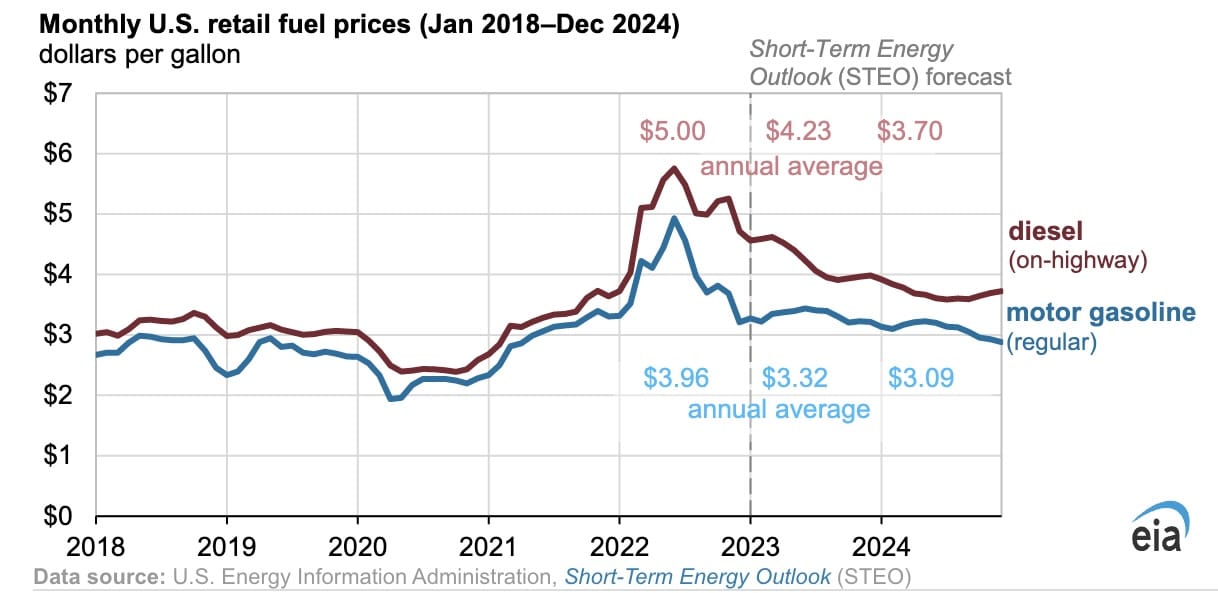
Gas prices in the United States have seen a significant increase, reaching $4.23 per gallon, the highest level in four years. This rise comes amid growing fuel demand as winter approaches, raising concerns among consumers and increasing economic pressures on American households.
Reports indicate that this increase is due to several factors, including rising global oil prices, which have surged due to geopolitical tensions in key production areas. Additionally, fuel demand has risen with the return of economic activity following the COVID-19 pandemic, contributing to the price hikes.
Details of the Event
According to data from the U.S. Department of Energy, gas prices have been on a steady rise over the past weeks, increasing by 10% in just the last month. This increase can be attributed to several factors, including heightened fuel demand during the summer months, along with production cuts by some oil-producing countries.
Geopolitical tensions, such as conflicts in the Middle East, also play a significant role in influencing oil prices, which in turn affects gas prices. Some reports have warned that prices may continue to rise if these tensions persist.
Background & Context
Over the past four years, gas prices have experienced significant fluctuations, having dropped sharply during the COVID-19 pandemic when demand fell dramatically. As life returns to normal, fuel demand has begun to rise again, leading to increased prices.
The United States is one of the largest consumers of oil in the world, with the American economy heavily reliant on fuel. Therefore, any increase in gas prices directly impacts transportation and goods costs, reflecting on overall market prices.
Impact & Consequences
The rise in gas prices significantly affects the budgets of American households, forcing many families to allocate a larger portion of their income to cover fuel costs. This may lead to reduced spending on other goods and services, negatively impacting the economy as a whole.
Companies that rely on transportation and logistics may face additional challenges, as they may need to raise their service prices to cover rising fuel costs. This could lead to increased inflation, further pressuring consumers.
Regional Significance
Oil and gas prices are sensitive issues in the Arab region, where many countries rely on oil exports as a primary source of revenue. Consequently, the rise in gas prices in the United States could impact global markets, reflecting on oil prices in the region.
Oil-producing countries in the region may benefit from rising prices, potentially leading to increased revenues. However, any price increase may also affect global demand, which could negatively impact local economies.
In conclusion, the rise in gas prices in the United States remains a concerning issue, with experts predicting continued price fluctuations in the near future. Consumers and businesses must prepare to face these economic challenges.