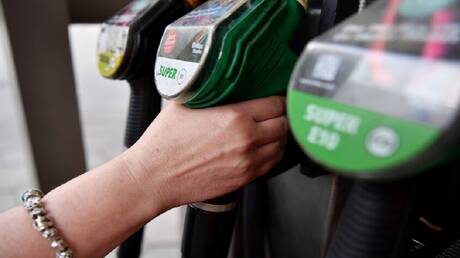
The average gas price in the United States has exceeded $4.1 per gallon (approximately 3.8 liters), reaching its second highest level in history. This price increase occurs at a time when the world is experiencing disruptions in fuel supplies, particularly through the Strait of Hormuz, which is a vital transit point for oil.
Gas prices are influenced by several factors, including fluctuations in global oil prices, domestic demand, and geopolitical crises. With rising prices, American citizens are feeling an additional burden on their budgets, especially in light of the current economic conditions.
Details of the Event
According to reports, the average gas price has risen significantly over the past few weeks, with some states recording prices exceeding $5 per gallon. This increase is attributed to several factors, including rising fuel demand during the summer period, along with concerns about supply disruptions due to tensions in the Middle East.
The United States is one of the largest oil consumers in the world, and thus any changes in fuel prices directly impact the American economy. This price increase comes at a time when the economy is still grappling with the repercussions of the COVID-19 pandemic, further increasing pressure on American households.
Background & Context
The Strait of Hormuz is a strategic transit point for oil, through which approximately 20% of global oil supplies pass. Any disruptions in this strait can lead to a significant rise in oil prices, thereby directly affecting gas prices in the United States. Historically, gas prices have experienced significant fluctuations during times of geopolitical crises, making them susceptible to rapid changes.
In recent years, the United States has also seen an increase in domestic oil production, which has helped reduce reliance on imports. However, any disruptions in global markets continue to affect local prices.
Impact & Consequences
The rise in gas prices has multiple implications for the American economy. On one hand, it can lead to increased transportation costs, which are reflected in the prices of goods and services. On the other hand, it may affect consumer decisions, as some may opt to reduce car usage or seek alternative modes of transportation.
Additionally, rising prices may exert political pressure on the U.S. government, as citizens may push for actions to curb these increases. In the past, governments have sometimes intervened to stabilize prices or provide support to consumers during crises.
Regional Significance
The Middle East is one of the largest oil-producing regions in the world, and any changes in oil prices directly affect the economies of Arab countries. The rise in gas prices in the United States may lead to an increase in global oil prices, which in turn impacts the economies of oil-producing nations in the region.
Moreover, tensions in the Strait of Hormuz may heighten fears of supply disruptions, potentially driving prices even higher. Therefore, oil-producing Arab countries are closely monitoring global market developments and their impact on their economies.
In conclusion, the rise in gas prices in the United States remains a significant issue affecting both the American and global economies. With ongoing geopolitical tensions, prices are expected to remain under pressure, necessitating governments and businesses to take measures to adapt to these changes.