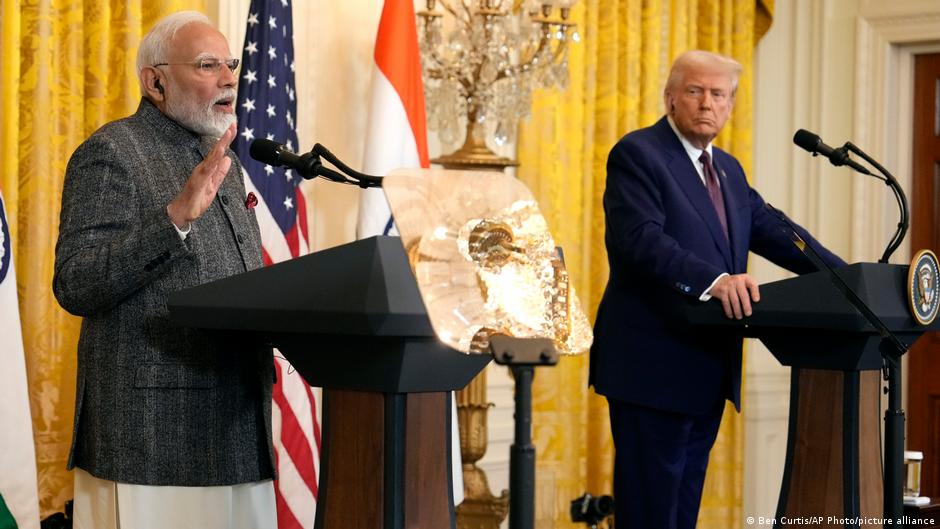
Foreign ministers from the four nations comprising the Quadrilateral Security Dialogue, known as the Quad, are meeting in the Indian capital of New Delhi, with discussions scheduled to last for three days starting Sunday. The meeting aims to address security issues in the Indian Ocean region, as well as energy supply and emerging technology concerns.
This gathering takes place as China continues to test geopolitical and security boundaries in the region, heightening the importance of cooperation among the four countries. However, a key question remains unaddressed in the agenda: how can the effectiveness of the alliance be maintained amid the increasing challenges posed by China?
Event Details
The Quad, which includes the United States, India, Japan, and Australia, aims to promote the concept of a free and open Indo-Pacific. The last meeting of Quad leaders was held in 2024 when U.S. President Joe Biden hosted his counterparts in Wilmington, Delaware. India was set to host the next annual meeting in the second half of 2025, but this did not materialize due to tensions between India and the administration of former President Donald Trump.
Trump imposed tariffs and sanctions on Indian imports to the United States, straining relations with Indian Prime Minister Narendra Modi. Tensions escalated further when Trump claimed to have mediated a resolution to border disputes between India and Pakistan last May, which angered New Delhi.
Background & Context
The Quad was established in 2007 at the invitation of former Japanese Prime Minister Shinzo Abe and is not a treaty alliance requiring binding commitments from member states. Instead, it is an informal coalition that offers greater flexibility in addressing security challenges. Nevertheless, relations between the United States and India have experienced fluctuations, impacting the Quad's effectiveness.
Despite current tensions, there is hope that U.S. Secretary of State Marco Rubio, who is leading the American delegation to India, can improve the strained relations with New Delhi. Some experts believe that Rubio's presence, as opposed to Trump's, may have a positive impact on the meeting.
Impact & Consequences
Analyses suggest that Trump's absence from the upcoming Quad leaders' meeting, expected to be held in Australia at the end of 2026, may lead to a diminished significance of the Quad on the geopolitical stage. Should this occur, China could benefit from the weakened alliance, as Beijing views the Quad with skepticism and considers it an attempt to contain its influence.
Concerns are rising that a weakened Quad could reinforce narratives about a decline in U.S. commitment, lack of unity among allies, and limits on security cooperation. However, some experts argue that the current tensions do not indicate the collapse of the alliance but rather reflect the increasing challenges of managing a partnership among countries with differing strategic cultures and priorities.
Regional Significance
The Arab region is indirectly affected by the tensions in the Indian Ocean, as any escalation in relations between major powers like the United States and China could impact regional stability. Additionally, economic relations between Arab states and India may be influenced by the tensions between India and the United States.
In conclusion, maintaining the Quad requires ongoing efforts to overcome disagreements and enhance cooperation among its members. The future depends on these countries' ability to work together despite the challenges they face.