German Chancellor Olaf Scholz's remarks linking migrants to rising rates of violent crime have sparked a wave of anger and discontent in political and social circles. These comments have reopened the heated debate about the relationship between immigration and crime in Germany, with many politicians and activists expressing concern over the impact of these statements on the image of migrants in society.
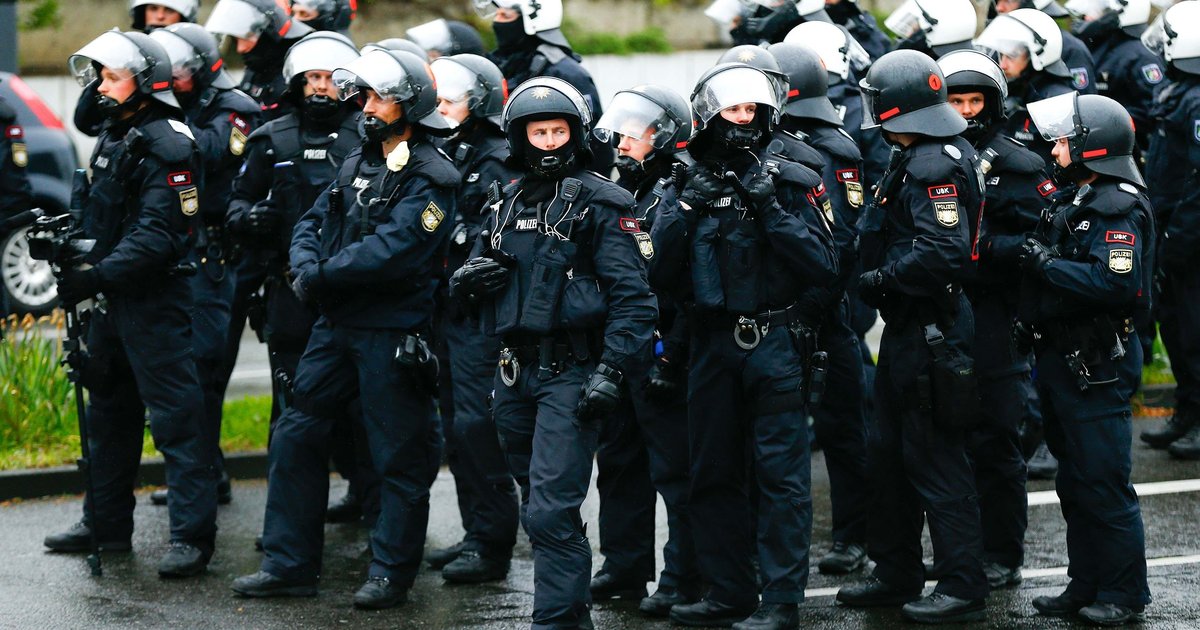
While the Chancellor seeks to address immigration-related issues, his remarks have stirred significant controversy, with some viewing them as incitement of hatred against migrants. Police officials have warned that crime is not dictated by the offender's background, emphasizing the need to focus on the real causes of crime rather than associating it with a specific group in society.
Details of the Event
Scholz's comments came during a discussion about the security situation in the country, where he noted a marked increase in violent crime, which he attributed to the rising number of migrants. This connection has elicited mixed reactions, with some considering it an attempt to justify certain government policies, while others view it as incitement to discrimination against migrants.
In response, human rights organizations have issued statements condemning these remarks, pointing out that linking crime to migrants is a gross oversimplification of reality. They argue that multiple factors influence crime rates, such as poverty, unemployment, and social discrimination.
Background & Context
Historically, Germany has experienced waves of immigration, particularly following political and economic crises in various parts of the world. As the number of migrants has increased, fears about the impact on internal security have escalated, leading to intense debates about immigration and related policies.
In recent years, the country has witnessed a rise in far-right movements that exploit these issues to broaden their support base. These movements have contributed to the spread of hate speech against migrants, complicating the social and political landscape in the country.
Impact & Consequences
The recent remarks could exacerbate social tensions in Germany, potentially fostering feelings of hatred and discrimination against migrants. Furthermore, these statements may influence government policies related to immigration, possibly leading to stricter laws and measures against migrants.
Additionally, these remarks could affect Germany's image in the international community, as the country may be perceived as unable to manage immigration issues in a humane and fair manner. This could negatively impact relations with countries that are sources of migrants, further complicating the situation.
Regional Significance
The issue of migration is a sensitive topic in the Arab region, where many Arab countries are experiencing political and economic crises that drive young people to migrate in search of better opportunities. The German Chancellor's remarks may affect the image of Arab migrants in Germany, potentially making their integration into society more challenging.
Moreover, these statements could influence European policies towards Arab migrants, possibly leading to stricter measures against them, increasing their suffering under current conditions.
In conclusion, the issue of migration and crime remains a complex topic that requires a comprehensive approach considering all influencing factors, away from negative generalizations that could exacerbate the situation.