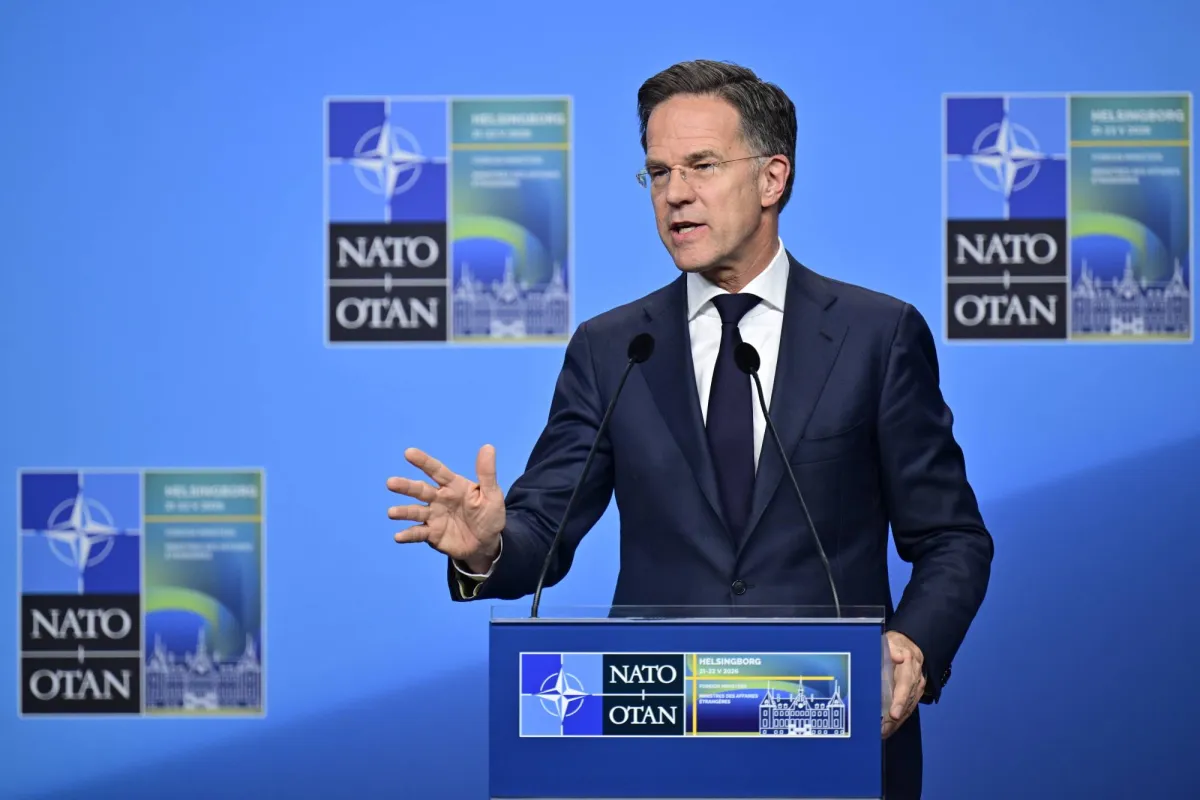
Germany has announced its imminent participation in international efforts aimed at securing navigation in the Strait of Hormuz, under British and French leadership, but only after the conclusion of combat operations in the area. German Foreign Minister Johann Wadephul confirmed during a NATO foreign ministers' meeting in Helsingborg, Sweden that his country does not see a necessity for a direct NATO mission in the strait.
Wadephul pointed out Berlin's readiness to contribute to future operations to ensure freedom of navigation, including mine clearance, in collaboration with Britain and France. This comes at a time when tensions in the region are escalating due to Iranian activities, with U.S. Secretary of State Marco Rubio stating that Iran's imposition of transit fees in the Strait of Hormuz is unacceptable.
Details of the Meeting
During the meeting, Rubio expressed his expectations that the discussions would pave the way for a summit among NATO leaders in Ankara later this year. He emphasized the importance of the alliance being beneficial to all parties involved, stressing the need for a clear understanding of expectations. Meanwhile, U.S. President Donald Trump stated that the United States would not accept transit fees imposed by Iran, reiterating that Washington would reclaim Iran's stockpile of highly enriched uranium.
NATO Secretary General Jens Stoltenberg affirmed that freedom of navigation in the Strait of Hormuz is a matter of concern for all allies, noting that the nature of the alliance's future role remains undecided, given the varying positions on the scope of military or logistical intervention.
Background & Context
Historically, the Strait of Hormuz is considered one of the most important maritime passages in the world, through which about one-fifth of global oil and liquefied natural gas shipments pass. As tensions in the region have escalated, the strait has become nearly closed since the outbreak of war, leading to significant disruptions in global energy supplies. In this context, the Friday prayer leader in Tehran stated that any aggression against Iran would be met with a harsh response, including the use of new weapons and missiles.
An Iranian parliament member also indicated that Tehran would not back down from its rights in the Strait of Hormuz, with an internal push to enact legislation imposing fees on passing ships, reflecting an escalation in the debate over control of this vital passage.
Impact & Consequences
Concerns are growing that these developments may reshape the terms of negotiation between Iran and Western countries, as the Iranian nuclear file increasingly intertwines with tensions in maritime corridors. This linkage could lead to transforming the negotiation process into a series of open-ended rounds without a clear timeline, complicating peace efforts in the region.
Recent Iranian statements suggest that Tehran may raise its demands in negotiations, further complicating the security landscape in the area. At the same time, Western powers continue to bolster their military presence in the region, which could lead to further escalation of tensions.
Regional Significance
These developments are of significant importance to Arab countries, as any escalation in the Strait of Hormuz could directly impact oil and gas supplies to global markets. Additionally, any military movements by Iran or Western countries could destabilize the region, threatening regional security.
In conclusion, the Strait of Hormuz remains a central hub for ongoing events, where political and economic interests intersect, necessitating close monitoring by all concerned parties.