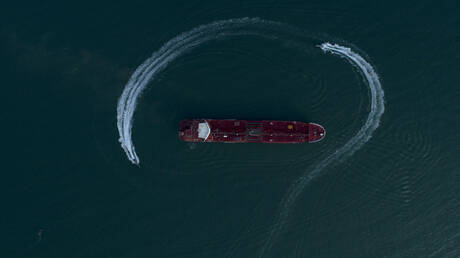
This week, two giant oil tankers and a liquefied natural gas carrier left the Strait of Hormuz, causing alarm in maritime circles. This occurred after the shutdown of communication systems on board these vessels, raising questions about the reasons behind this action.
The Strait of Hormuz is a vital transit point for oil and natural gas, with approximately 20% of the world's total oil passing through it. The shutdown of communication systems may indicate potential risks related to maritime security, casting doubts on the safety of navigation in this strategic area.
Details of the Incident
According to maritime data, the three ships left the strait simultaneously, reflecting a state of disruption in maritime traffic. Specific details regarding the reasons for the communication shutdown have not been disclosed, but this issue may be linked to political or military tensions in the region.
It is noteworthy that the Strait of Hormuz has witnessed numerous maritime incidents in recent years, including attacks on oil tankers, which have heightened concerns about navigation safety. This situation necessitates close monitoring of developments.
Background & Context
Historically, the Strait of Hormuz has been a theater for various geopolitical tensions, with regional and international powers competing for influence. In recent years, tensions between Iran and the United States have escalated, impacting maritime traffic in the area.
There is also growing concern regarding energy security, as many countries depend on oil and gas supplies through this strait. Any disruption in maritime traffic could lead to rising energy prices globally.
Impact & Consequences
If this state of disruption continues, it may affect global oil prices, negatively impacting the world economy. Furthermore, any threat to navigation in the Strait of Hormuz could increase tensions among major powers.
Moreover, the shutdown of communication systems may indicate security threats, necessitating an international response to ensure navigation safety. The countries involved will closely monitor the situation and may take measures to protect their interests.
Regional Significance
For Arab countries, any disruption in maritime traffic in the Strait of Hormuz could directly impact their economies. Gulf states heavily rely on oil exports, and any increase in oil prices could affect their budgets.
Additionally, the security situation in the region may influence foreign investments, adversely affecting economic growth. Therefore, maintaining stable navigation in the Strait of Hormuz is vital for Arab nations.
In conclusion, the situation in the Strait of Hormuz remains under observation, as any new developments could significantly affect maritime security and the global economy.