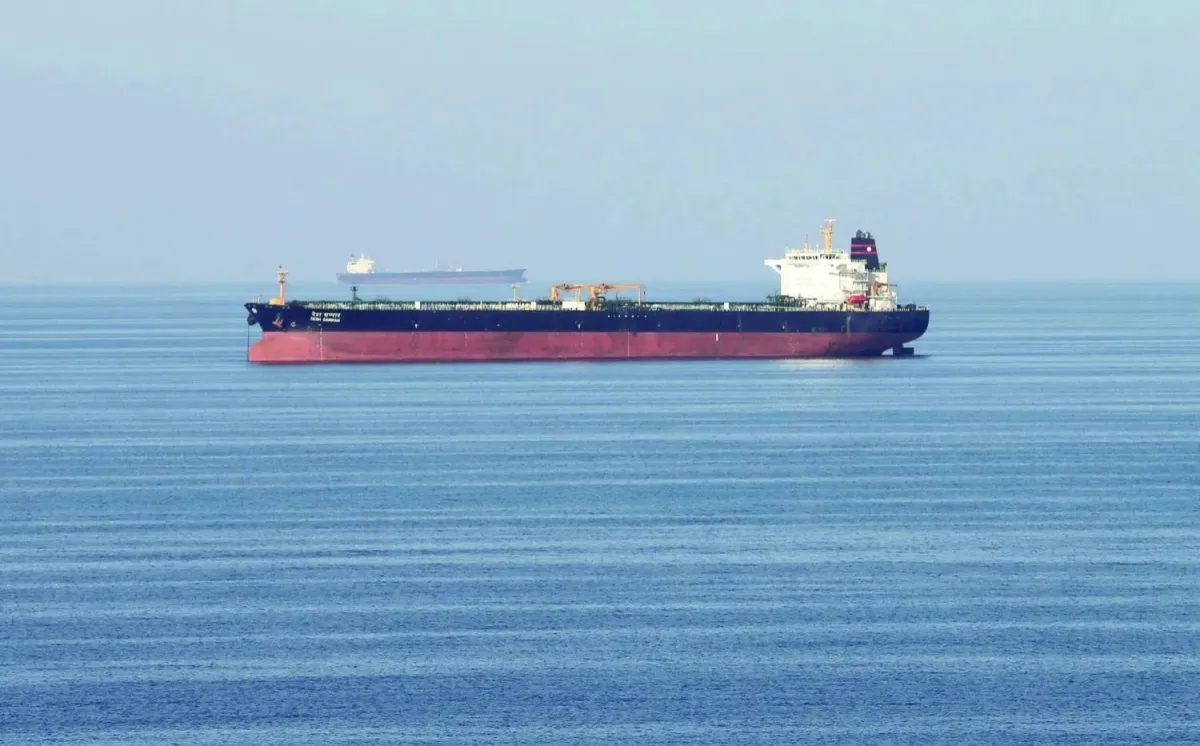
Fatih Birol, the Executive Director of the International Energy Agency, stated in an interview with the French newspaper "Le Figaro" that the current energy crisis, triggered by the blockade of the Strait of Hormuz, is the most severe since the oil crises of 1973, 1979, and 2022 combined. He explained that the world has never experienced such a massive disruption in energy supplies before.
Birol pointed out that European countries, Japan, and Australia will be significantly affected, but developing nations will be the most at risk, as they will suffer from rising oil and gas prices, leading to increased food prices and accelerated inflation rates.
Event Details
In a related context, member countries of the International Energy Agency agreed last month to draw from their strategic reserves, with Birol reporting that part of these reserves has already been utilized and the process is ongoing. These measures come amid increasing pressures on global markets due to strikes carried out by Israel and the United States, which led to Iran's near-total closure of the Strait of Hormuz, through which approximately 20% of the world's oil and gas passes, causing energy prices to soar to record levels.
At the same time, Chinese stocks stabilized on Tuesday, as markets continue to focus on the war in the Middle East and rising oil prices, which have had a relatively limited impact on China so far. The Shanghai Composite Index rose by 0.3%, while the CSI 300 Index of leading stocks closed unchanged.
Context and Background
Tensions between the United States and Iran are escalating, with U.S. President Donald Trump renewing threats of military action against Iran unless Tehran reaches an agreement by Tuesday evening. In this context, "Ping An" Securities stated that the Iranian war is dominating global asset prices, while the importance of Chinese assets is expected to emerge as a safe haven amid geopolitical turmoil.
On another note, Kristalina Georgieva, the Managing Director of the International Monetary Fund, warned that the war in the Middle East will lead to rising inflation and a slowdown in global growth. Data from Goldman Sachs showed that the impact of rising energy prices on economic activity in China has been limited so far.
Consequences and Impact
Data from Standard & Poor's indicates that service sector companies in the United Kingdom experienced the largest monthly cost surge since 2021, highlighting the inflationary risks stemming from the Iranian war. The global services purchasing managers' index fell to 50.511 months.
The survey also indicated that about 40% of companies reported an increase in input costs during March, reflecting the impact of rising energy and raw material prices on the economy. Levels of optimism about the future have dropped to their lowest since June of last year, amid concerns about the ongoing Iranian war and its effects on inflation and supply chains.
Impact on the Arab Region
The current crises in the Strait of Hormuz are contributing to increased tensions in the Arab region, which is considered one of the most important energy corridors in the world. Continuous rises in oil and gas prices are expected to exacerbate economic conditions in Arab countries, especially those heavily reliant on energy imports.
In conclusion, it is clear that the current geopolitical crises are significantly impacting the global economy, necessitating urgent actions from the concerned countries to ensure the stability of energy markets.