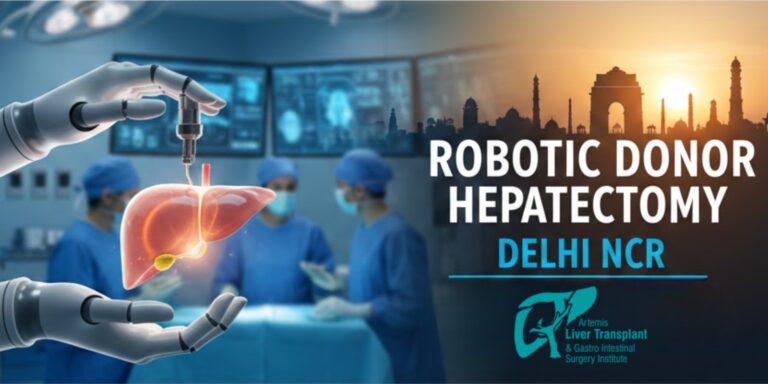
The Specialized Hospital has accomplished an unprecedented feat in surgical medicine by performing the first series of liver resections using single-port robotic technology from living donors. These procedures represent a qualitative leap in the field of organ transplantation, as robotic techniques allow for reduced surgical intervention and improved patient outcomes.
This modern technique is among the most notable advancements in surgery, contributing to shorter recovery times and minimizing risks associated with traditional operations. Studies have shown that the use of robotics in surgical procedures can lead to better outcomes in terms of rapid recovery and reduced pain.
Details of the Event
This series of operations was conducted under the supervision of a specialized medical team, utilizing an advanced robotic system that enables surgeons to perform procedures with high precision. The surgeries were performed on a number of living donors, reflecting the hospital's commitment to providing the best possible medical care.
The procedures involved liver resections from living donors, a process that requires high skills and extreme accuracy. Doctors noted that the initial results were encouraging, with a significant improvement in the patients' conditions following the surgeries.
Background & Context
Organ transplantation is one of the most important areas of modern medicine, contributing to saving the lives of many patients. With the increasing demand for organs, it has become essential to develop new techniques that enhance surgical outcomes. Recent years have witnessed significant progress in the use of robotics in surgery, helping to reduce risks and increase the effectiveness of procedures.
Historically, organ transplantation faced major challenges, including a shortage of donors and the risks associated with surgeries. However, the use of modern technologies such as robotics can change this reality, providing more opportunities for patients.
Impact & Consequences
This achievement represents an important step towards improving patient care and increasing the success rates of organ transplant operations. It is expected that this technique will reduce the waiting period for patients needing liver transplants, contributing to saving more lives.
The success of these operations may encourage more hospitals to adopt robotic techniques in organ transplantation surgery, enhancing the level of healthcare in the region. This development could open new avenues for research and development in the field of surgical medicine.
Regional Significance
This achievement serves as a model for other hospitals in the Arab region, as it can contribute to improving the level of healthcare services. Additionally, the use of modern technologies in surgery can enhance the standing of Arab countries in the field of medicine on a global scale.
In light of the health challenges facing many Arab countries, innovations in organ transplantation can be an effective solution for improving healthcare. Achieving such milestones reflects the commitment of Arab nations to providing the best medical services to their citizens.