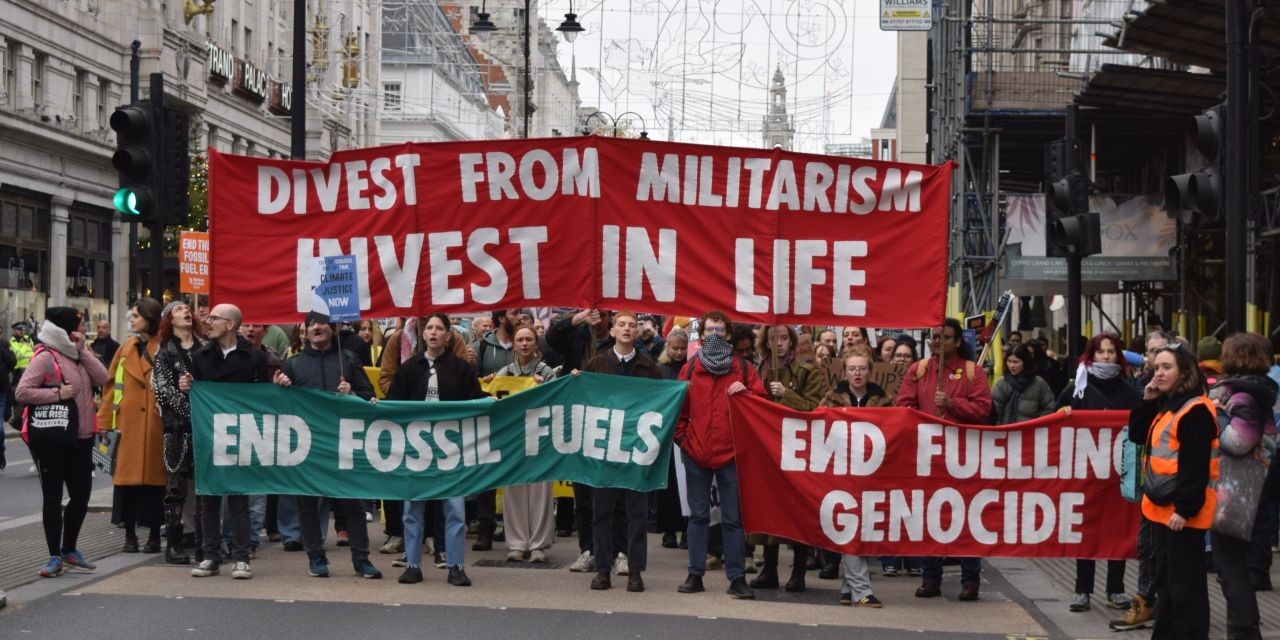
In light of escalating global tensions, countries spent approximately $2.9 trillion on defense last year, marking an increase of 2.9%. The United States, China, and Russia accounted for over half of these expenditures. These figures reflect a growing trend towards enhancing military capabilities in response to increasing security challenges.
Reports indicate that European and Asian countries recorded the highest increases in military spending, reflecting heightened concerns over regional conflicts and geopolitical tensions. This increase in spending also represents a response to the multiple crises faced by these nations.
Details of the Event
According to reports, the United States remains the top military spender, accounting for over 38% of total global spending. China follows closely, continuing to significantly increase its defense budget, while Russia is also seeking to bolster its military capabilities amid tensions with the West.
These figures serve as indicators of global trends in defense, as nations strive to enhance their military strategies to confront rising challenges. Additionally, this increase in military spending may impact the social and economic budgets of countries, raising questions about national priorities.
Background & Context
Historically, periods of the Cold War and military threats have seen similar increases in military spending. However, the current context is characterized by greater complexity, where traditional threats overlap with non-traditional threats such as cyberattacks and terrorism.
Concerns over regional conflicts in areas like the Middle East and Asia are driving countries to reassess their defense strategies. In this context, the importance of international cooperation in security and defense fields becomes evident, despite existing political tensions.
Impact & Consequences
The increase in military spending affects international relations, potentially leading to a new arms race among major powers. This situation could escalate tensions and negatively impact peace and stability efforts in conflict regions.
Moreover, this increase may affect the global economy, as it could lead to a shift of resources from social and economic sectors to the military sector. Such a shift may adversely affect sustainable development in the concerned countries.
Regional Significance
In the Arab region, the increase in global military spending may have direct implications for security and stability. Arab countries facing multiple security challenges may find themselves compelled to raise their defense budgets to address potential threats.
Additionally, military cooperation between Arab nations and major powers may increase under these circumstances, potentially paving the way for new partnerships in defense and security.
In conclusion, these figures reflect global trends towards enhancing military capabilities in light of increasing tensions. It is crucial for Arab nations to consider these developments in their defense and security policies.