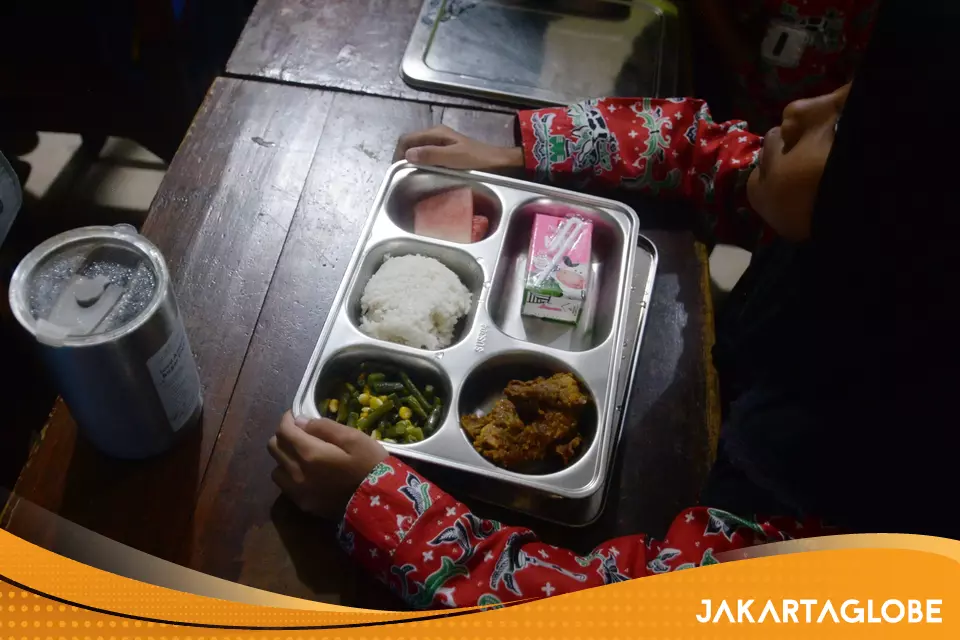
In a move that underscores Indonesia's commitment to fighting malnutrition, Abdul Rivai Ras, the head of the Indonesian Restaurant Owners Association (APPMBGI), announced the association's efforts to sustain the "Nutritious Free Meals" program. This announcement was made during a press conference in Jakarta, where Ras emphasized that the association aims to ensure the program's continuity as part of a long-term strategy.
Ras explained that the association is working on developing a "Command and Control Center" system for the program, which aims to monitor and manage kitchen operations and supply chains across Indonesia. This system will enable the association to identify areas suffering from food supply shortages and ensure effective resource distribution, especially in remote areas with weak infrastructure.
Event Details
The association seeks to enhance cooperation with several entities, including the state-owned company "Bulog", to support the distribution of national food reserves. Through the association's network in various regions, efforts are being made to bridge gaps in supply chains, contributing to improving the nutritional situation in the country.
Ras also confirmed that the association plays a pivotal role as a link between businesspeople, suppliers, and investors, enhancing the capacity of the local economy, particularly for small and medium-sized enterprises and traditional markets. However, he warned that the use of local markets must be accompanied by a robust logistics system to ensure price and supply stability.
Background & Context
Historically, Indonesia has faced significant challenges in nutrition, with the country experiencing high rates of malnutrition, particularly among children. This situation has prompted the government and civil society to take serious steps to improve food security. The "Nutritious Free Meals" program is part of these efforts, aiming to provide food support to poor and marginalized families.
In recent years, awareness of the importance of good nutrition and its impact on public health has increased, leading to enhanced government programs and community initiatives. This program comes as a direct response to these challenges, focusing on providing sustainable solutions.
Impact & Consequences
The free nutrition program is expected to have a significant impact on improving the health of poor communities in Indonesia. By providing balanced meals, the program can help reduce rates of malnutrition and related diseases. Additionally, enhancing cooperation between the public and private sectors can lead to improved supply chains and increased efficiency in resource distribution.
Moreover, having a strong legal framework supporting the program will contribute to the continuity of efforts and enhance the government's capacity to face future challenges. This also requires improving infrastructure, such as establishing modern warehouses and refrigerated storage facilities to ensure the quality of food products.
Regional Significance
Many Arab countries face similar challenges in food security and nutrition, with some regions experiencing severe shortages of food resources. Indonesia's experience in implementing the free nutrition program could serve as a model for the region, where Arab countries can benefit from similar strategies to improve the nutritional situation in their communities.
In conclusion, the "Nutritious Free Meals" program represents a positive step towards enhancing food security in Indonesia, reflecting the commitment of the government and civil society to address food challenges. The success of this program could have positive impacts on public health and the local economy, thereby enhancing the sustainability of future efforts.