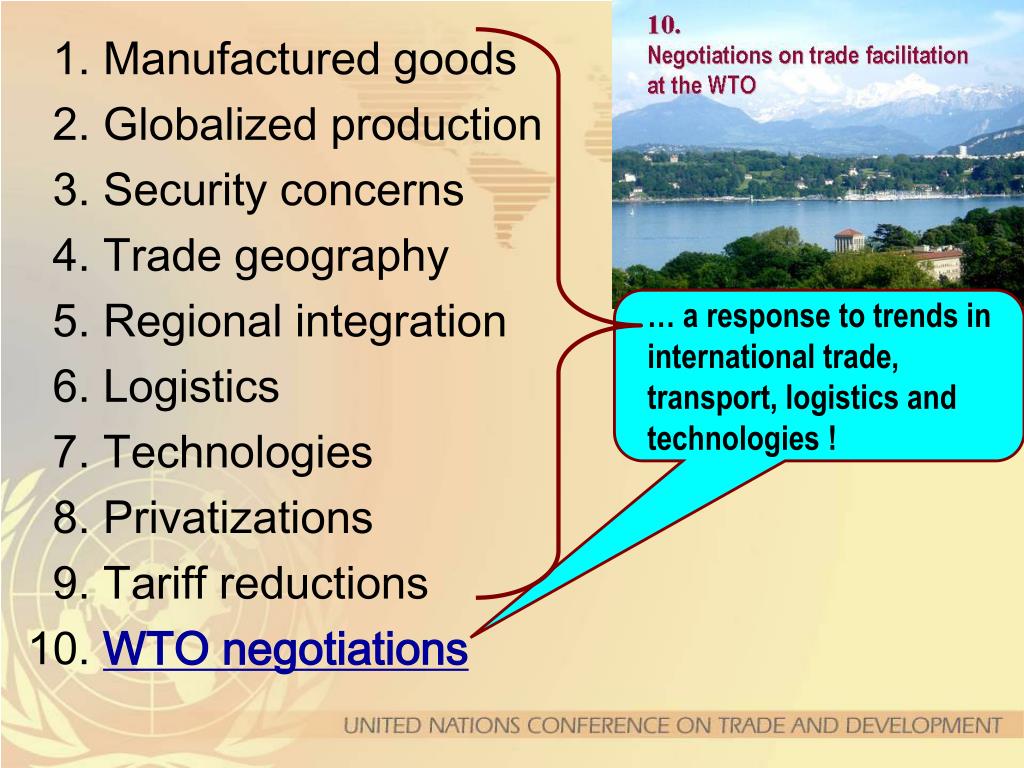
The World Trade Organization announced the failure of negotiations regarding tariffs imposed on e-commerce, raising questions about the future of global digital trade. This failure comes at a time when the importance of e-commerce in the global economy is increasing, as it has become an essential part of daily business activities.
Member countries of the World Trade Organization are striving to reach an agreement that defines how tariffs should be imposed on online business transactions. However, disagreements among major countries over how to regulate this vital sector have led to a stalemate in negotiations.
Details of the Event
The negotiations held in Geneva, which hoped to achieve consensus among member countries, involved multiple issues related to taxes and tariffs imposed on e-commerce. As reliance on digital trade increases, these issues have become more critical than ever. However, the disparities in viewpoints between developed and developing countries regarding how to regulate e-commerce have been a major obstacle to reaching an agreement.
For instance, some countries are calling for higher tariffs on large companies that benefit from e-commerce, while others oppose this, arguing that such tariffs could hinder economic growth and negatively impact consumers.
Background & Context
E-commerce is considered one of the fastest-growing sectors in the world, having seen significant increases in transaction volumes in recent years. According to recent reports, the value of global e-commerce is expected to exceed $4.9 trillion by 2025. This rapid growth puts pressure on traditional trade systems, necessitating comprehensive regulation.
The World Trade Organization, established in 1995, aims to facilitate global trade and balance the interests of member countries. However, current challenges require a swift and effective response to ensure opportunities in this growing sector are not missed.
Impact & Consequences
The failure of these negotiations represents a significant blow to international efforts aimed at regulating e-commerce. If this chaos continues, it could exacerbate trade tensions between countries, negatively affecting investments and economic growth. Additionally, the lack of a clear regulatory framework could create an unstable environment for businesses, making them more cautious in their investment decisions.
Moreover, the failure to reach an agreement may widen the gap between developed and developing countries, as developing nations may lack the resources necessary to effectively regulate e-commerce, leading to worsening economic and social challenges.
Regional Significance
In the Arab region, where the importance of e-commerce is increasing, the failure of negotiations may have negative impacts on economic growth. Many Arab countries are seeking to enhance digital trade as part of their development strategies, but the absence of an international regulatory framework could hinder these efforts.
Furthermore, Arab companies relying on e-commerce may face additional challenges in the absence of clear rules, which could affect their competitiveness in global markets. Therefore, it is essential for Arab countries to enhance cooperation among themselves to develop effective e-commerce strategies.
In conclusion, the failure of negotiations regarding tariffs on e-commerce highlights the urgent need for effective regulation of this sector. Greater international cooperation is required to ensure that the economic benefits of digital trade are realized and to avoid the negative consequences that may arise from the lack of a clear regulatory framework.