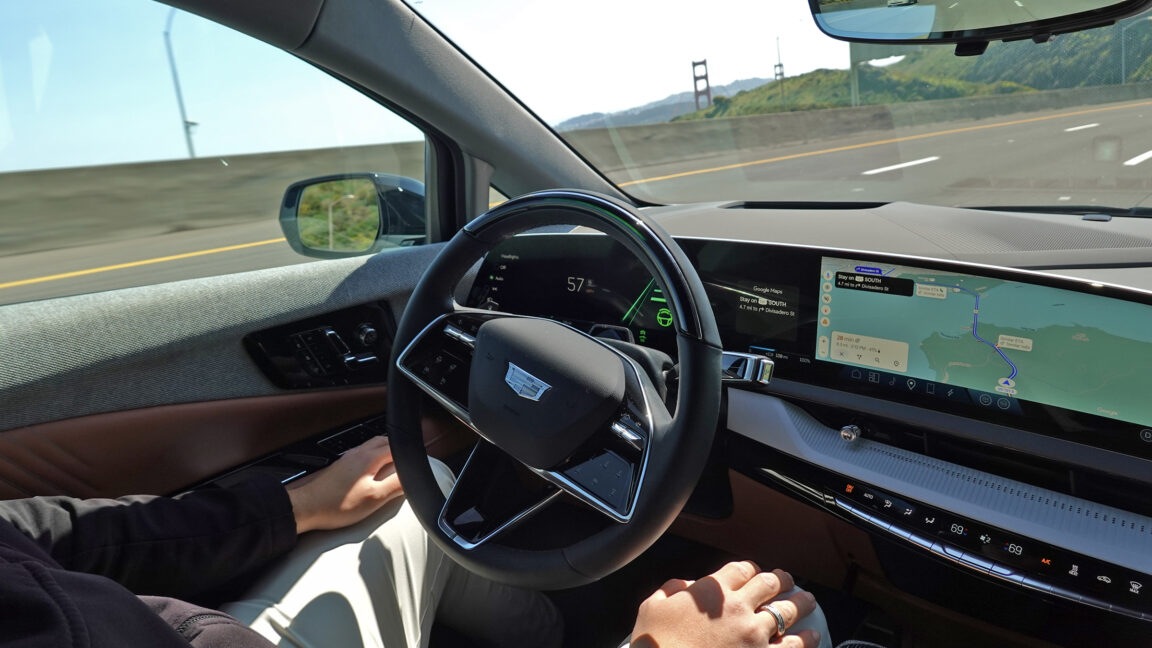
General Motors has made a remarkable achievement in self-driving technology, successfully covering one billion miles with its self-driving system known as 'Super Cruise'. This system relies on hands-free driving technology, providing drivers with a more comfortable and safe driving experience, although it is restricted to specific, geofenced roads.
This milestone marks a significant point in the evolution of smart vehicle technology, representing an important achievement in safety and comfort during driving. The 'Super Cruise' system is designed to be an effective alternative to traditional driving, allowing drivers to relax while traveling on highways.
Details of the Technology
The 'Super Cruise' system was first launched in 2017, and since then, General Motors has seen a notable increase in the number of users adopting this technology. The system uses a combination of sensors and cameras to identify the lane and keep the vehicle on the correct path, thereby reducing the risk of accidents.
This system operates only on designated roads, meaning it cannot be used in all conditions. However, General Motors aims to expand the use of this technology to include more roads in the future, paving the way for further innovations in the realm of smart vehicles.
Background & Context
General Motors is one of the leading companies in the automotive industry and has invested heavily in developing self-driving technology. In recent years, the automotive industry has undergone a significant transformation towards technological innovations, as companies strive to meet the increasing consumer demand for comfort and safety. Historically, self-driving technology has been a controversial topic, with concerns about safety and reliance on technology. Nevertheless, the achievements made by General Motors and other companies indicate that this technology may become an essential part of the future of transportation.
Impact & Consequences
Achieving one billion miles with the 'Super Cruise' system is a crucial step towards enhancing consumer confidence in self-driving technology. This achievement may encourage more companies to invest in developing similar technologies, potentially leading to improved safety standards on the roads. Furthermore, these advancements could impact the job market, as job requirements in the transportation industry may change with the increased reliance on technology, opening up new opportunities in fields such as software development, maintenance, and technology.
Regional Significance
The success of General Motors in reaching this milestone not only highlights the advancements in self-driving technology but also underscores the competitive landscape of the automotive industry. As more companies strive to innovate and improve their offerings, the implications for regional economies and job markets could be profound. The shift towards automated driving solutions may also influence regulatory frameworks and infrastructure development to accommodate these new technologies.
In conclusion, the achievement of one billion miles using the 'Super Cruise' system is a testament to the progress of self-driving technology and reinforces trust in its application. As the automotive industry continues to evolve, the potential for further advancements and their impact on society remains significant.