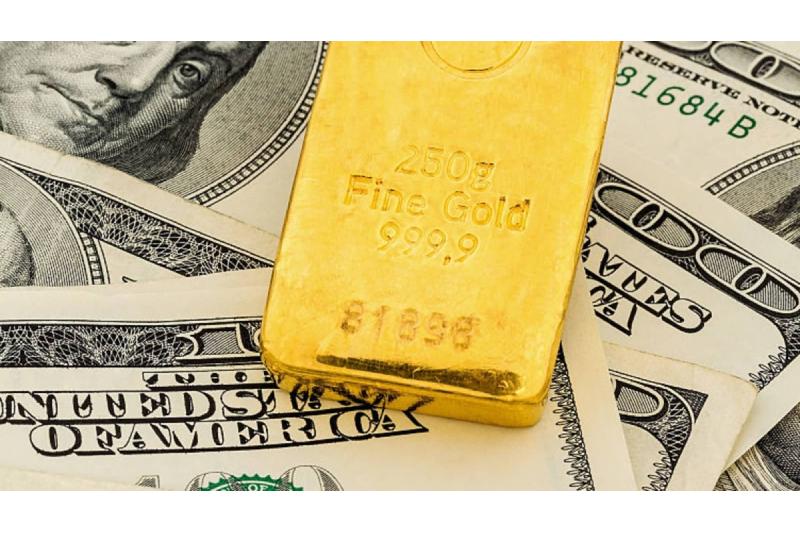
Gold prices witnessed a notable decline on Monday, influenced by fluctuations in the US dollar, as reports emerged that Iran had submitted a new proposal to the United States to end the war, rekindling hopes for reducing tensions in the Middle East.
As of 08:00 GMT, gold in spot transactions recorded a slight increase of 0.04%, reaching $4713.54 per ounce, before declining again. The precious metal had ended last week down by 2.5%, concluding a four-week streak of gains.
Market Details and Trends
US gold futures for June delivery fell to $4722.9, as markets experienced significant movements due to the dollar's decline. This drop followed reports that Iran, through Pakistani intermediaries, had proposed reopening the Strait of Hormuz and ending the war, which has brought some optimism back to the markets.
Kyle Roda, a senior financial market analyst, stated that these developments could significantly impact gold prices in the near future.
Background & Context
These events come at a sensitive time for the region, where economic and political pressures are mounting. Any progress in negotiations could contribute to stabilizing financial markets.
Moreover, the ongoing geopolitical tensions have kept investors on edge, making the situation more precarious. The potential for diplomatic resolutions could shift market dynamics significantly.
Impact & Consequences
If an agreement is reached, it could lead to a further decline in gold prices, as the precious metal is considered a safe haven during times of turmoil. Investors often turn to gold when uncertainty looms, and a resolution could diminish that need.
Additionally, the implications of such an agreement could extend beyond just gold prices, affecting various sectors of the economy that are sensitive to geopolitical stability.
Regional Significance
The significance of these developments extends beyond financial markets; they could reshape the geopolitical landscape in the Middle East. A decrease in hostilities could foster a more conducive environment for trade and investment.
In conclusion, the potential for easing tensions in the region could have far-reaching effects, not only on gold prices but also on the broader economic landscape.