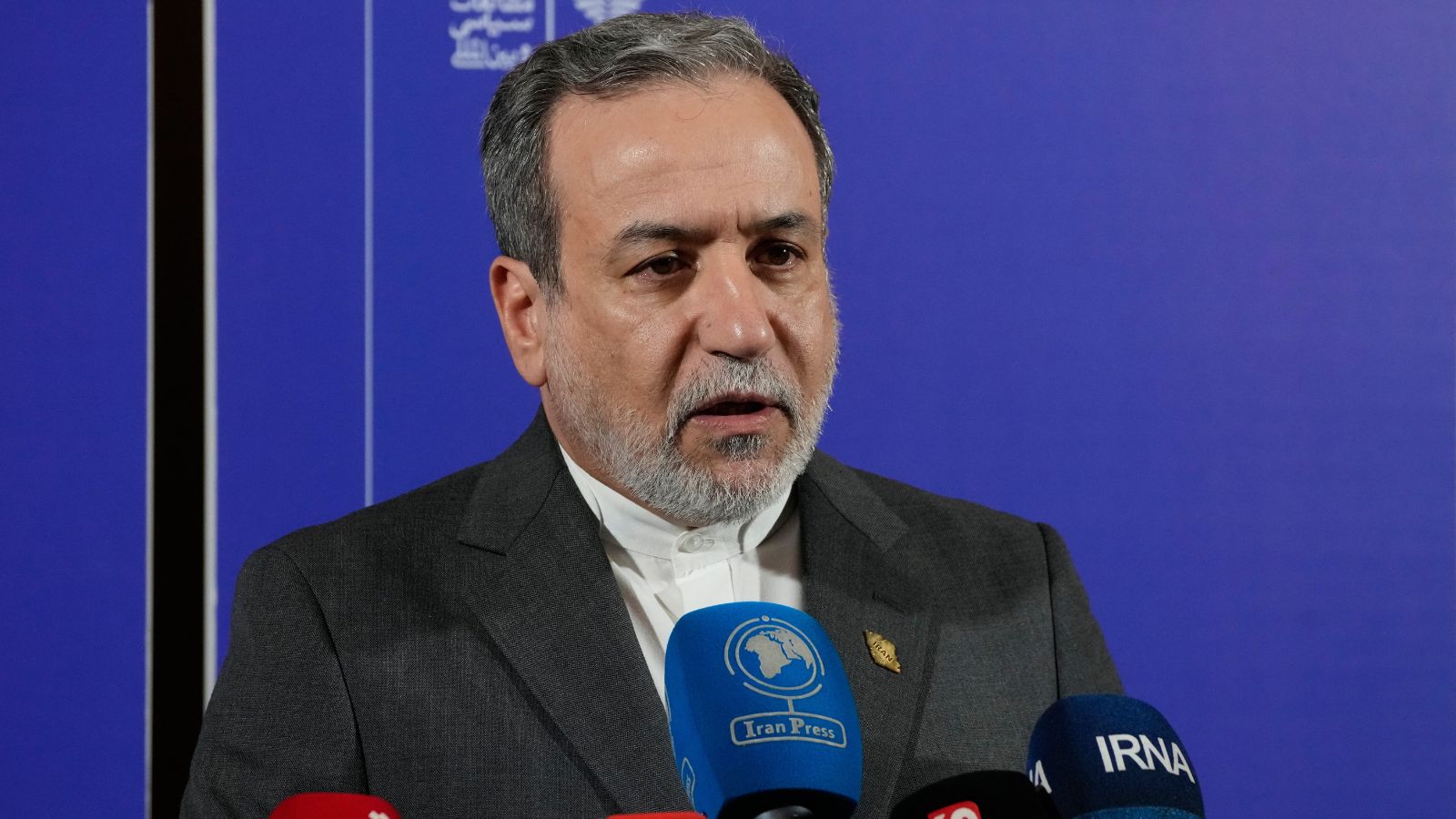
Iranian Foreign Minister Abbas Araghchi has arrived in Saint Petersburg, Russia, where he is scheduled to meet with President Vladimir Putin on Monday. This visit comes at a sensitive time as negotiations with the U.S. in Islamabad have stalled, prompting Iran to seek new diplomatic options.
Araghchi's visit coincides with the circulation of an Iranian proposal aimed at reopening the Strait of Hormuz, one of the world's most vital maritime passages. This proposal emerges amid escalating tensions in the region and reflects Iran's desire to enhance its regional role.
Details of the Meeting
As the Iranian Foreign Minister, Araghchi aims to strengthen ties with Russia through this visit, particularly given the challenges Tehran faces on the international stage. The meeting with Putin presents an opportunity to reassess bilateral relations and explore avenues for cooperation in various fields, including energy and security.
The new Iranian proposal includes postponing discussions regarding Iran's nuclear program, which may elicit mixed reactions from Western powers. Iran hopes this proposal will help alleviate international pressures and bolster its position in future negotiations.
Background & Context
Iranian-Russian relations have seen notable developments in recent years, especially amid tensions between Iran and the United States. Russia is considered a strategic ally for Tehran, providing political and military support on various regional issues.
Simultaneously, the proposal to reopen the Strait of Hormuz underscores the significance of this waterway for the global economy, through which approximately 20% of the world's oil passes. Any tensions in this area could significantly impact oil prices and global markets.
Impact & Consequences
If the Iranian proposal is accepted, it could lead to a de-escalation of tensions in the region and enhance stability in energy markets. However, this move may also raise concerns among Western nations, which view Iran's nuclear program as a threat to regional and international security.
The outcomes of this meeting could influence the trajectory of nuclear negotiations and potentially pave the way for broader dialogue between Iran and the West if a consensus on the proposed issues is reached.
Regional Significance
Neighboring Arab countries, such as Saudi Arabia and the UAE, are among those most affected by any changes in Iran's policy. Reopening the Strait of Hormuz could contribute to enhancing maritime security, but it may also raise fears of escalating tensions in the region.
Ultimately, the results of this visit will depend on the negotiations and agreements that may be reached between the two sides, which could directly impact security and stability in the Middle East.