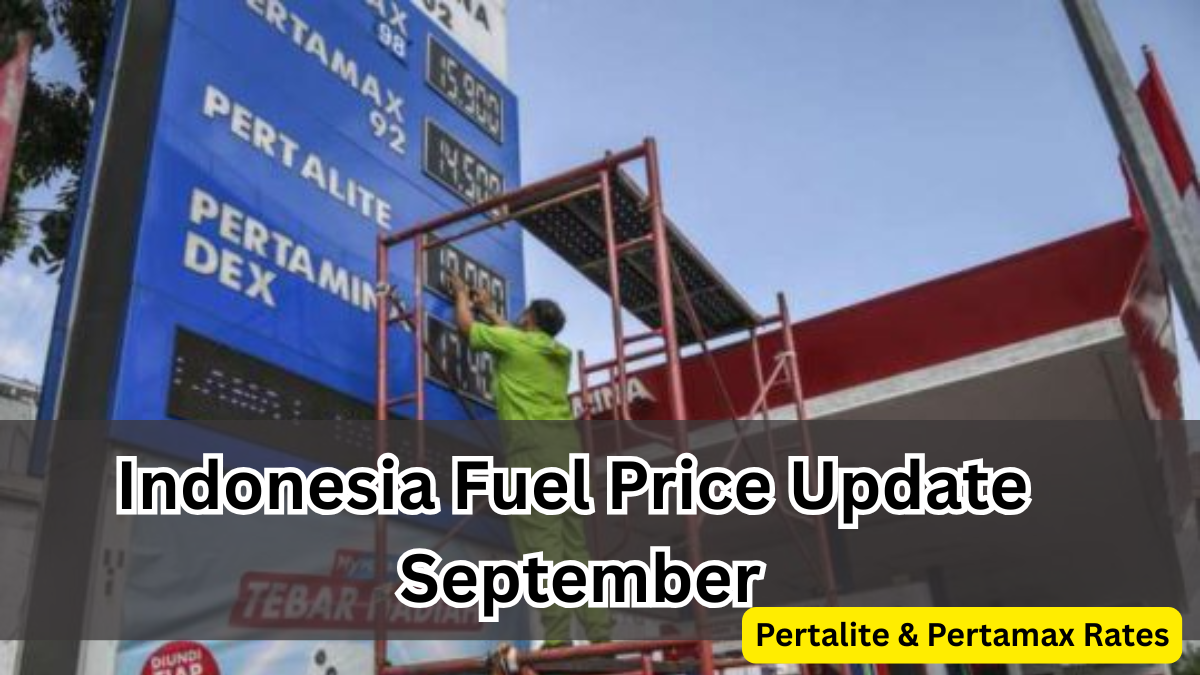
The Vice Chairman of the Trade Committee in the Indonesian Parliament, Nordin Halid, stated that the government's decision to refrain from increasing subsidized fuel prices until 2026 will bolster industrial stability in Indonesia. This decision is crucial as the country faces rising global economic pressures, making the maintenance of stable energy prices vital.
Halid emphasized that this decision reflects the government's commitment to economic stability, as it helps reduce fluctuations in production costs and enhances the purchasing power of citizens. Furthermore, stable energy prices are essential for maintaining the efficiency of logistics and production costs, ensuring that the national industry remains competitive.
Details of the Decision
In his statements, Halid clarified that the confirmation from the Minister of Finance, Sri Mulyani Indrawati, regarding the freeze on subsidized fuel prices provides a more stable environment for businesses, allowing them to formulate more accurate business plans amid unstable economic conditions. This decision is significant not only for large industries but also for protecting small and medium-sized enterprises that are heavily impacted by fluctuations in input costs.
By controlling fuel prices, financial pressures on companies can be alleviated, enabling them to maintain profit margins and operational continuity. Additionally, the stability of energy prices contributes to curbing inflation and boosting domestic consumption, positively reflecting on the economy as a whole.
Background & Context
Historically, Indonesia has experienced significant fluctuations in fuel prices, adversely affecting the national economy. In recent years, there have been multiple attempts by the government to regulate subsidized fuel prices, especially amid rising global oil prices due to geopolitical crises, such as the conflict between the United States and Israel and Iran.
The policy of subsidizing fuel prices is part of the Indonesian government's strategy to ensure the stability of the local market, aiming to protect citizens and businesses from the repercussions of rising global prices. However, the effectiveness of this policy largely depends on the accuracy of targeting the subsidies and the discipline in their usage.
Impact & Consequences
Analyzing the potential implications, it can be said that the stability of subsidized fuel prices may contribute to enhancing economic growth in Indonesia. However, there must be effective mechanisms in place to monitor the distribution of subsidized fuel to ensure that there is no leakage in the support, which could lead to increased financial burdens on the state.
Moreover, stability in fuel prices can open avenues for the government to implement other economic policies, allowing it to focus on boosting investments and improving infrastructure, which contributes to achieving sustainable development.
Regional Significance
The decision to maintain subsidized fuel prices is strategically important for Indonesia, especially in the context of regional economic dynamics. As neighboring countries also face similar challenges regarding energy prices, Indonesia's approach could serve as a model for others in the region.
In conclusion, the government's decision to stabilize fuel prices until 2026 is a significant step towards fostering economic stability in Indonesia, helping to address global challenges while ensuring that the local economy remains resilient.