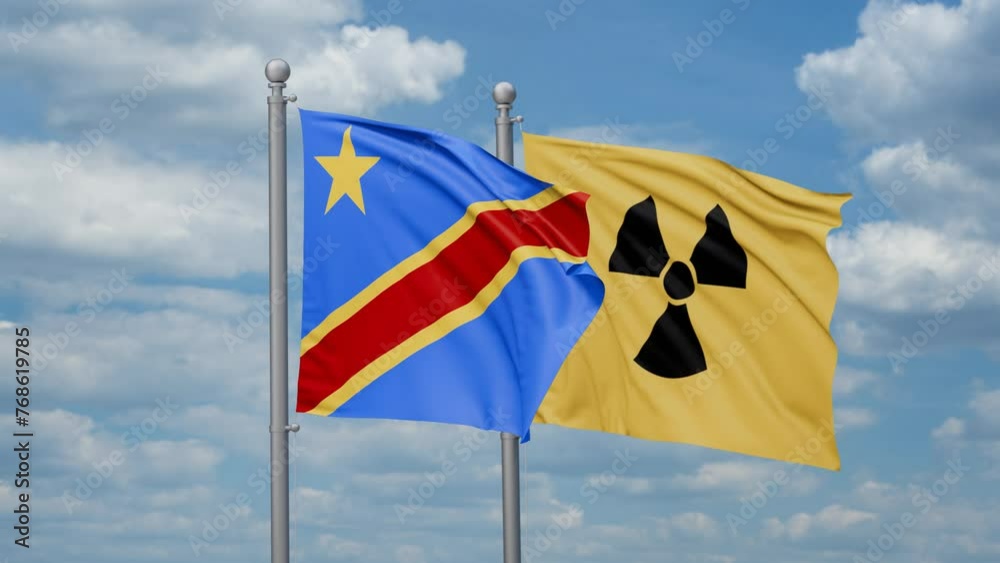
The Congolese government has declared a state of emergency in several mining sites due to the threat of radioactive contamination that endangers the health of citizens and the environment. This announcement came after elevated radiation levels were detected in some areas, raising concerns among local authorities and the international community.
The Democratic Republic of Congo is one of the largest mineral-producing countries in the world, significantly contributing to the rare minerals market, such as cobalt. However, unregulated mining operations have led to considerable environmental degradation, increasing health risks for local populations.
Details of the Situation
In an official statement, the Congolese Ministry of Environment confirmed that teams of experts are working to assess the situation in the affected areas. Reports indicate that some sites have recorded radiation levels exceeding permissible limits, necessitating immediate action to protect the population.
The government has also urged citizens to exercise caution, emphasizing the need to stay away from contaminated areas. Authorities are working to provide necessary information to residents on how to cope with this crisis, in addition to offering medical support to those in need.
Background & Context
Historically, the Democratic Republic of Congo has faced environmental and health issues stemming from unregulated mining operations. These issues have drawn widespread criticism from human rights and environmental organizations, which have called for improved safety standards in the mining sector.
In recent years, pressure has increased on the Congolese government to adopt more sustainable mining policies, especially with the rising global demand for rare minerals. However, challenges remain, as many local communities continue to face health risks due to pollution.
Impact & Consequences
The current state of emergency could significantly impact the mining industry in Congo, as some operations may halt until risks are assessed. This situation could lead to fluctuations in mineral prices in global markets, particularly cobalt, which is a crucial component in battery manufacturing.
Moreover, this crisis may raise concerns among international investors, affecting foreign investments in the country. Should the risks persist, Congo may face additional pressure from the international community to enhance environmental safety standards.
Regional Significance
Rare minerals, such as cobalt, are vital to many technological industries, including smartphones and electric vehicles. Therefore, any fluctuations in production from Congo could impact Arab markets, which increasingly rely on these technologies.
Additionally, the situation in Congo may highlight the importance of enhancing regional cooperation in managing natural resources, potentially paving the way for new initiatives to improve environmental safety standards in Arab countries.
In conclusion, the state of emergency in the Democratic Republic of Congo serves as a reminder of the importance of protecting the environment and public health, underscoring the need for sustainable strategies in the mining sector.