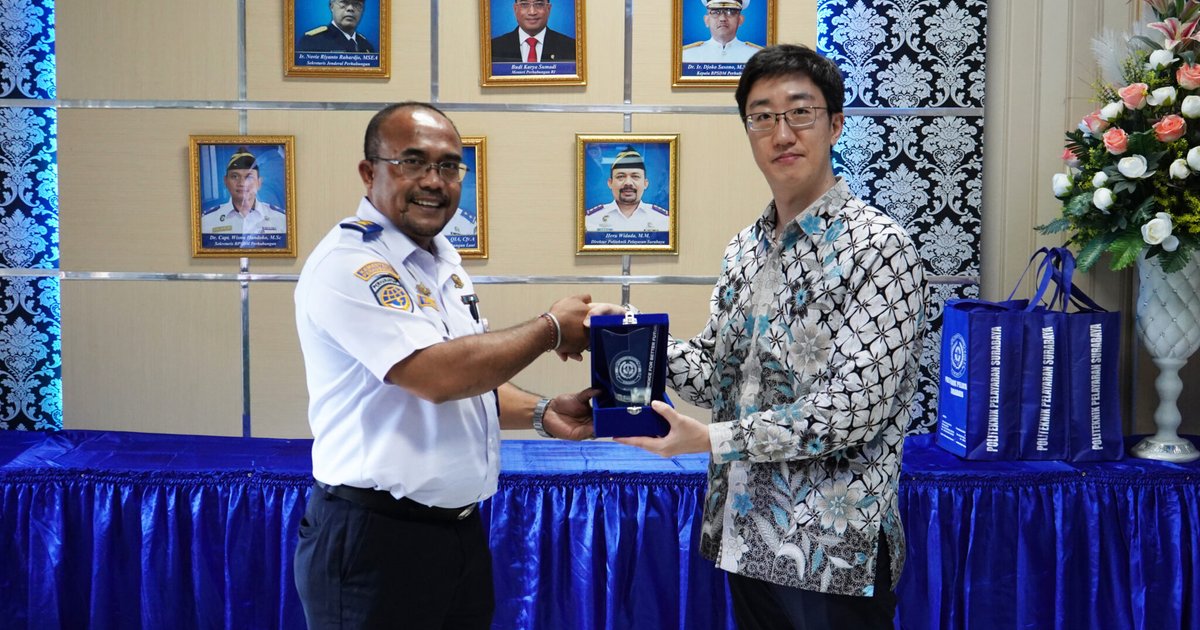
The Indonesian Ministry of Youth and Sports (Kemenpora) has reaffirmed its continuous support for youth development efforts in the West Nusa Tenggara region during a visit by a delegation from the local education and youth sports department. Deputy Minister of Youth and Sports, Hendro Wijaksano, highlighted the significance of close cooperation between the central and local governments to ensure a tangible positive impact on the youth in the area.
In his remarks, Wijaksano pointed out that coordination among various programs is vital to meet the needs of the youth in West Nusa Tenggara. He expressed appreciation for the initiatives undertaken by the local education and youth sports department, stressing the necessity of achieving alignment between government policies and local projects.
Strategic Programs for Youth Development
During the meeting, a range of strategic programs aimed at enhancing youth capabilities in West Nusa Tenggara was reviewed. Tamirdi, head of the youth development section in the local education and youth sports department, explained that there are ambitious plans that include developing youth skills through entrepreneurship programs, contributing to the creation of an innovative generation capable of self-reliance.
The importance of preparing a local action plan that includes clear objectives and strategies for youth development was also discussed, in accordance with applicable local regulations. This approach is part of government efforts to improve the living standards of youth and enhance their participation in community development.
Background & Context
Historically, Indonesia has witnessed ongoing efforts to enhance the role of youth in society, as this demographic is considered one of the most crucial human resources that can contribute to economic and social development. With the increasing challenges faced by youth, including unemployment and limited opportunities, the need for effective skill development programs has become more urgent.
West Nusa Tenggara is a region rich in natural and cultural resources, providing significant opportunities for youth. However, capitalizing on these opportunities requires well-thought-out strategies that ensure the needs of youth are met and their skills are developed.
Impact & Consequences
These initiatives are expected to contribute to improving the quality of life for youth in West Nusa Tenggara, enhancing their ability to face economic and social challenges. Additionally, developing youth skills through entrepreneurship programs can lead to the creation of new job opportunities, thereby reducing unemployment rates.
Furthermore, strengthening youth capabilities contributes to building a more sustainable community, where young people can actively participate in decision-making processes that affect their lives and futures.
Regional Significance
The significance of these initiatives extends beyond immediate benefits, as they represent a crucial step towards empowering youth and improving their living standards, which in turn contributes to sustainable development in the region.
In conclusion, the collaboration between the government and local authorities in West Nusa Tenggara serves as a model for other regions, demonstrating how targeted support can effectively address the needs of youth and foster their development.