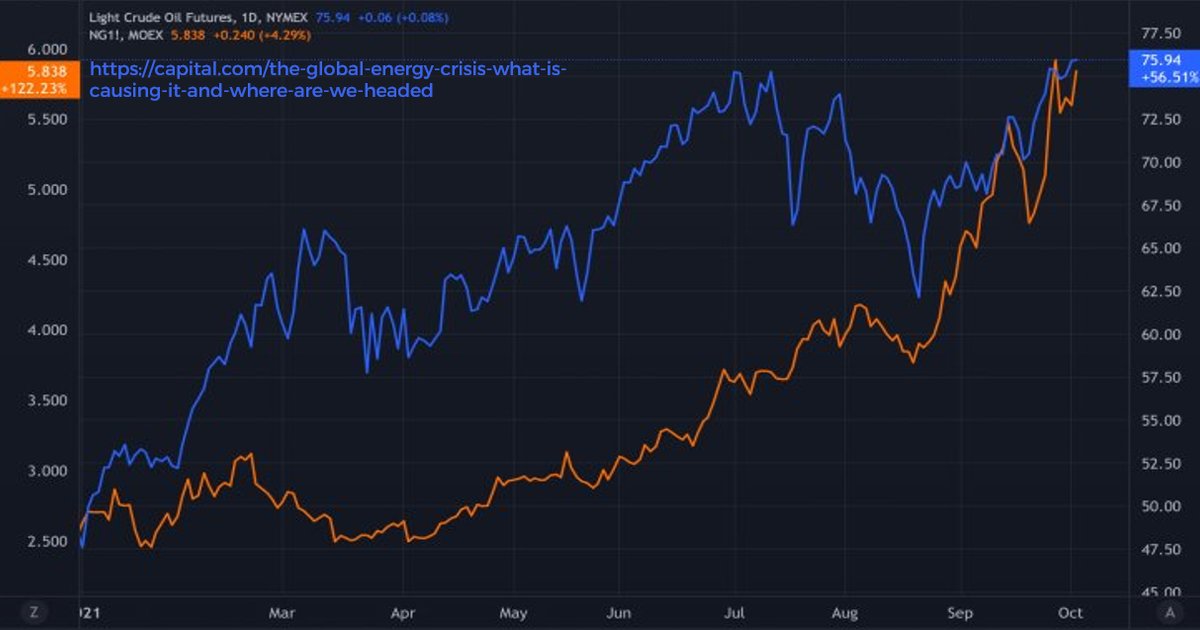
Several governments worldwide are taking urgent measures to protect families and consumers from the sharp rise in energy costs caused by the U.S.-Israeli war on Iran. This surge in prices comes at a time when many citizens are suffering from the effects of the global economic crisis.
Pressure is mounting on governments to provide financial support and compensation to affected families, as energy costs have become a heavy burden on household budgets. Many experts have indicated that this crisis could exacerbate economic and social conditions in various countries, necessitating a swift and effective response from governments.
Details of the Situation
Reports indicate that the rise in energy costs is due to escalating geopolitical tensions in the region, where military operations have led to a reduction in supplies and an unprecedented increase in prices. This situation places additional pressure on families already facing economic challenges due to the COVID-19 pandemic.
In many countries, governments have begun implementing emergency plans that include providing direct financial support to families, reducing energy taxes, and offering low-interest loans to small and medium enterprises. These measures aim to alleviate the financial burdens on citizens and ensure market stability.
Background & Context
Historically, energy markets have experienced significant fluctuations due to political crises and wars. The U.S.-Israeli war on Iran is not the first of its kind, but it comes at a sensitive time when markets are still reeling from the effects of the COVID-19 pandemic. These crises directly impact oil and gas prices, negatively affecting energy costs for consumers.
In recent years, energy prices have seen notable increases, prompting many countries to seek alternative energy sources, such as renewable energy. However, current tensions may reverse these trends, as nations focus on securing traditional energy supplies.
Impact & Consequences
Analyses confirm that rising energy costs may lead to increased inflation rates, negatively affecting citizens' purchasing power. In developing countries, this increase may be more acute, as families heavily rely on energy in their daily lives.
Moreover, these conditions could exacerbate social unrest, with protests against governments potentially arising due to rising prices. Therefore, a swift and effective response from governments is crucial to maintaining social and economic stability.
Regional Significance
The Arab region is among the most affected by fluctuations in energy prices, as many countries rely on oil and gas exports as a primary source of revenue. Rising energy costs could impact national budgets, potentially leading to cuts in public spending.
At the same time, some Arab countries may seek to enhance their investments in renewable energy as a means to reduce reliance on traditional energy sources. These shifts may be necessary to ensure the sustainability of their economies in the future.
In conclusion, the rise in energy costs due to current geopolitical tensions requires an urgent response from governments worldwide. It is essential for governments to take effective steps to protect families and consumers, ensuring market stability and maintaining social and economic conditions.