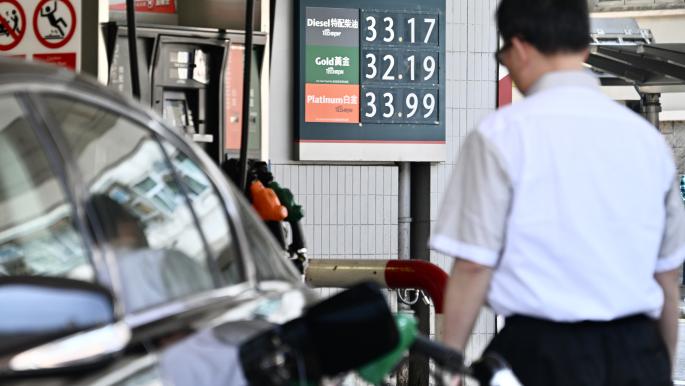
The significant surge in oil prices has forced governments worldwide to adopt strict austerity measures, including daily consumption restrictions and reduced working days. These actions aim to alleviate financial burdens on national budgets amid increasing economic pressures. The steps taken are part of a global response to the economic challenges posed by the sharp increase in energy prices.
Reports indicate that oil prices have seen a noticeable rise, prompting countries to implement austerity measures that include reducing energy consumption. In some nations, restrictions have been placed on the number of showers citizens can take, encouraging them to minimize water and energy use. Additionally, working days have been cut in certain sectors, impacting productivity and the local economy.
Details of the Austerity Measures
Reactions vary among countries, with some governments offering incentives to citizens to encourage reduced energy consumption, while others have adopted stricter measures, such as imposing additional taxes on fuel. These austerity measures reflect a growing trend among nations to manage their resources more efficiently in light of rising costs.
In the context of these measures, many citizens are experiencing a shift in their daily routines, as the restrictions on consumption directly affect their quality of life. The measures are not only aimed at reducing government spending but also at fostering a culture of sustainability and conservation among the populace.
Background & Context
The reasons behind the rise in oil prices are attributed to a combination of factors, including geopolitical disruptions in major oil-producing regions and increased global demand for energy following the COVID-19 pandemic. Tensions among oil-producing countries, such as those within OPEC, have also contributed to price volatility.
In recent years, the world has witnessed significant shifts in the energy market, with many countries striving to transition to renewable energy sources. However, oil continues to play a crucial role in the global energy mix, making nations heavily reliant on it. This dependency complicates efforts to diversify energy sources and mitigate the impacts of price fluctuations.
Impact & Consequences
Estimates suggest that these austerity measures could significantly affect citizens' lives, potentially leading to a decrease in living standards and increased economic pressures. The reduction in working days may also impact the economy as a whole, resulting in slower economic growth.
Moreover, these measures could lead to heightened social tensions, as citizens may feel discontent with the restrictions imposed on their daily lives. In some countries, such pressures could trigger public protests, further complicating the political landscape.
Regional Significance
In the Arab region, where many countries rely on oil exports as a primary source of revenue, the repercussions may be more severe. Nations heavily dependent on oil, such as Saudi Arabia and Iraq, may face significant economic challenges due to rising prices and austerity measures.
Countries seeking to diversify their economies, such as the UAE and Qatar, may find themselves compelled to reassess their economic strategies under these circumstances. These challenges could accelerate efforts to transition to renewable energy sources, but they may also exacerbate economic and social pressures.
In conclusion, the rise in oil prices is likely to continue influencing economic and social policies worldwide, necessitating bold steps from governments to adapt to these changes.