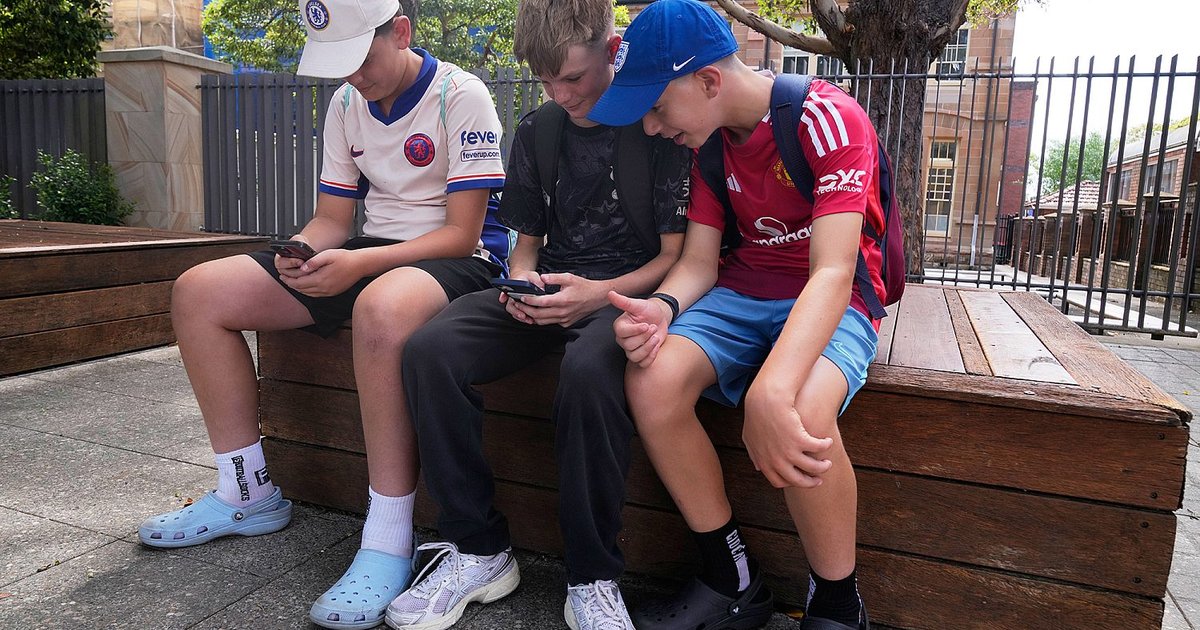
In an unprecedented move, Greek Prime Minister Kyriakos Mitsotakis announced on Wednesday the government's intention to impose a ban on social media usage for children under the age of 15. This announcement came in a video posted by Mitsotakis on the platform TikTok, where he emphasized the importance of protecting children from the risks that may arise from using these platforms.
The Greek government aims to enhance children's safety in the digital space through this decision, as concerns have grown regarding the negative impacts of social media on the mental and behavioral health of minors. Mitsotakis pointed out that this decision is part of the government's efforts to protect children's rights and promote a safe environment for them.
Details of the Initiative
The Greek government's plan also includes additional measures to monitor social media usage among minors. Efforts will be made to develop technological mechanisms that allow for monitoring accounts and verifying users' actual ages. The government will collaborate with technology companies to ensure the effective implementation of this ban.
This decision comes at a time when global pressure is increasing on governments to regulate social media usage, especially after several incidents where children and teenagers faced online dangers. This ban is considered part of a broader strategy aimed at enhancing digital security for children.
Background & Context
Historically, many European countries have engaged in discussions about the impact of social media on children and adolescents. Numerous studies have shown that excessive use of these platforms can lead to psychological issues such as depression and anxiety. Countries like France and Germany have taken similar steps in recent years, reflecting a global trend towards protecting children in the digital space.
In Greece, this move comes amid growing public concern regarding the effects of social media, particularly following the rise of cases involving cyberbullying and harmful content. Surveys have indicated that many parents are worried about their children's use of these platforms.
Impact & Consequences
This decision is expected to have a significant impact on how children use social media in Greece. It may lead to a reduction in the number of minor users on these platforms, which could affect companies that rely on targeted advertising for this age group.
Furthermore, this step could inspire other countries in the region to take similar actions, potentially leading to changes in digital policies on a broader scale. This decision serves as a call for parents and educators to discuss the potential risks of social media use with children.
Regional Significance
In the Arab region, concerns have increased regarding the impact of social media on youth, as many teenagers suffer from psychological issues due to excessive use of these platforms. Greece's initiative may encourage Arab countries to consider similar policies to protect children and adolescents.
This move could also contribute to raising awareness about the importance of parental supervision and digital education, helping to create a safer environment for children in the digital world.