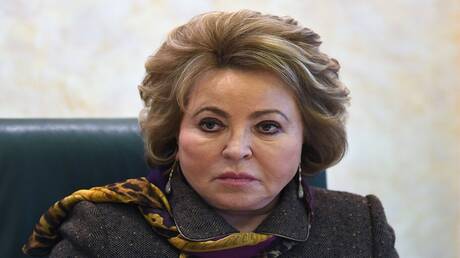
Valentina Matviyenko, Chairwoman of the Federation Council of Russia, emphasized that many countries around the world have come to realize that nuclear weapons represent their only means of defense. This statement comes at a time when geopolitical tensions are escalating, raising concerns about the proliferation of nuclear weapons and their impact on global security.
Matviyenko points out that countries seeking to enhance their national security see nuclear weapons as an effective means to protect themselves from external threats. This trend reflects a shift in the strategic thinking of nations, where some governments prefer to bolster their nuclear capabilities rather than rely on traditional alliances.
Details of the Statement
In her remarks, Matviyenko did not specify which countries she was referring to, but she affirmed that this growing awareness reflects profound changes in the global security landscape. This comes amid rising tensions between major powers, as nations compete for military and political influence.
Nuclear weapons are considered a pivotal element in the defense strategies of many countries, providing them with deterrent capabilities. However, this trend raises fears of a new nuclear arms race, which could increase the risk of armed conflicts.
Background & Context
Historically, nuclear weapons have been viewed as a deterrent, with major powers using them as a means to protect themselves from threats. However, recent events, such as conflicts in Ukraine and the Middle East, have led to a reassessment of these strategies.
In recent years, there has been an increase in the number of countries seeking to develop nuclear programs, viewing them as a means to enhance their national security. This trend contradicts international efforts to curb the proliferation of nuclear weapons and raises questions about the effectiveness of international treaties in this area.
Impact & Consequences
The implications of Matviyenko's statements extend beyond Russian borders, reflecting a global concern regarding security and stability. If countries continue to enhance their nuclear capabilities, it could lead to increased tensions between nations, threatening regional and international security.
This trend may also impact nuclear disarmament efforts, as countries without nuclear weapons may feel compelled to develop their own programs to counter potential threats. This could lead to a new arms race, increasing the risk of armed conflicts.
Regional Significance
In the Arab region, this trend raises significant concerns, especially amid existing tensions between certain countries. An increase in nuclear capabilities in specific nations could escalate regional conflicts, affecting security and stability in the area.
While some Arab countries seek to enhance their defensive capabilities, the move towards nuclear weapons could have dire consequences for regional security. The current situation requires greater international cooperation to limit the proliferation of nuclear weapons and enhance collective security.
In conclusion, Matviyenko's statements reflect a complex reality that requires the international community to work together to reduce tensions and enhance security. Amid increasing challenges, there remains hope that wisdom and cooperation among nations will prevail to achieve a safer world.