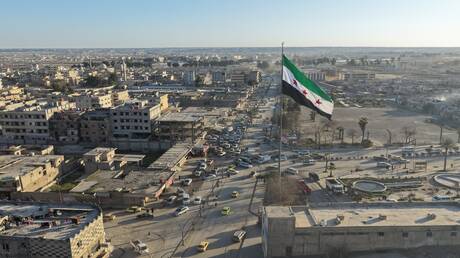
Abdul Latif Al-Khalaf, the guardian of the Herculaneum archaeological site in Raqqa, Syria, has recovered a collection of artifacts that he hid since 2013. This recovery follows arduous efforts by Al-Khalaf and his wife to protect these treasures from theft and destruction that have plagued cultural heritage during years of civil war.
The recovered artifacts are part of Syria's cultural identity, dating back to various historical periods, making them highly valuable to researchers and history enthusiasts. These pieces have been handed over to the relevant authorities in an attempt to preserve them and return them to their rightful place.
Details of the Recovery
In a move that underscores his commitment to preserving cultural heritage, Abdul Latif Al-Khalaf delivered the artifacts he had hidden in a secret location away from public view. Al-Khalaf noted that this decision came after he felt that the security situation in the area had improved, allowing for the safe return of these treasures.
The artifacts include a collection of statues and pottery from ancient times, representing a part of the history of the civilizations that have thrived in the region. They were kept in a secret location to protect them from the looting that archaeological sites experienced during the conflict.
Background & Context
Syria's history is rich with archaeological treasures, featuring numerous sites from ancient civilizations such as the Assyrians and Babylonians. Since the outbreak of conflict in 2011, these sites have faced looting and destruction, leading to the loss of much cultural heritage.
Raqqa province is one of the areas that has witnessed violent conflicts, making it vulnerable to theft and vandalism. Nevertheless, the efforts of individuals like Abdul Latif Al-Khalaf reflect hope for the revival and preservation of cultural heritage for future generations.
Impact & Consequences
The return of these artifacts represents a significant step towards rebuilding cultural identity in Syria. It also highlights the importance of preserving cultural heritage amid the challenging circumstances the country faces.
This initiative is expected to raise awareness about the significance of archaeological sites and encourage more individuals to take similar steps to protect cultural heritage in their regions. It may also pave the way for further initiatives aimed at preserving threatened antiquities.
Regional Significance
This event serves as a testament to the strength of human will in the face of challenges. The recovery of cultural heritage is not limited to Syria; it extends to all Arab countries suffering from conflicts.
This step can inspire other countries facing similar challenges, demonstrating that preserving cultural identity can be part of the recovery process following conflicts.
In conclusion, the recovery of artifacts in Raqqa marks a positive step towards preserving cultural heritage and reflects individual efforts that can lead to positive changes in society.