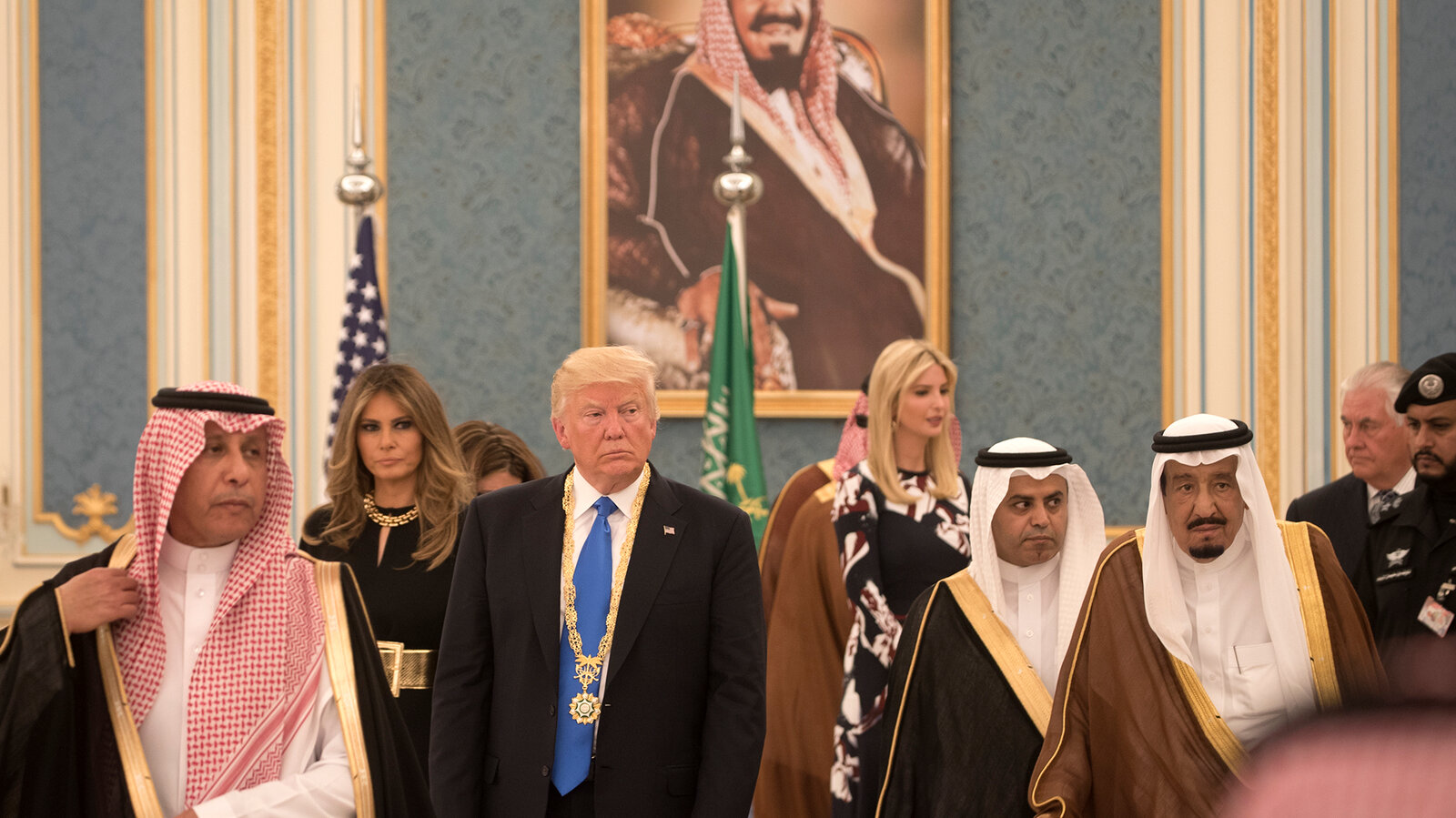
In a move reflecting escalating tensions in the region, Gulf allies have urged U.S. President Donald Trump to continue fighting until Iran is decisively defeated. This call comes at a critical time as concerns grow over Iran's increasing influence in the Middle East.
Pressure is mounting on the U.S. administration from Gulf allies, who believe that failing to take decisive action against Iran could exacerbate security situations in the region. These calls were made during private meetings, where Gulf officials expressed their concern that Iran might exploit any U.S. withdrawal from the region to bolster its influence.
Details of the Event
Reports indicate that Gulf allies, including Saudi Arabia and the United Arab Emirates, have voiced their worries about the escalation of Iranian activities in Iraq, Syria, and Lebanon. Discussions centered around the importance of maintaining military and economic pressure on Iran to ensure it cannot expand its influence in the region.
In this context, Gulf officials emphasized the necessity for U.S. support for military operations against Iranian-backed militias, which Gulf nations view as a direct threat to their national security. The importance of joint action between the United States and its Gulf allies to confront these challenges was underscored.
Background & Context
Historically, relations between Gulf states and Iran have been tense, especially following the Iranian Revolution in 1979. Since then, the region has witnessed numerous conflicts and disputes in which Iran has played a significant role, heightening Gulf nations' fears regarding its regional ambitions.
In recent years, tensions have notably escalated, particularly after the United States withdrew from the nuclear agreement with Iran in 2018. This withdrawal led to the re-imposition of economic sanctions on Iran, contributing to increased tensions in the region. Additionally, the rise of Iranian military activities in Iraq, Syria, and Lebanon has further heightened Gulf concerns.
Impact & Consequences
If the United States continues to support its Gulf allies in confronting Iran, it could lead to an escalation of conflict in the region. Many fear that any military escalation could result in a comprehensive conflict, significantly impacting security and stability in the Middle East.
On the other hand, if the United States chooses to reduce its military presence in the region, Gulf states may find themselves in a vulnerable position against Iran, potentially increasing its influence. Therefore, the choices made by the U.S. administration will play a crucial role in determining the future of relations in the region.
Regional Significance
The implications of these developments extend beyond the Gulf, as any escalation in the conflict between the United States and Iran could affect other Arab nations, including Iraq, Syria, and Lebanon. The situation in Yemen, where the Iranian-backed Houthi group is present, may also be significantly impacted.
Ultimately, the question remains about how the U.S. administration will handle these Gulf pressures and whether it will respond to its allies' calls to continue fighting against Iran. These decisions will determine the future of security and stability in the region and will have far-reaching effects on relations between Arab nations and Iran.