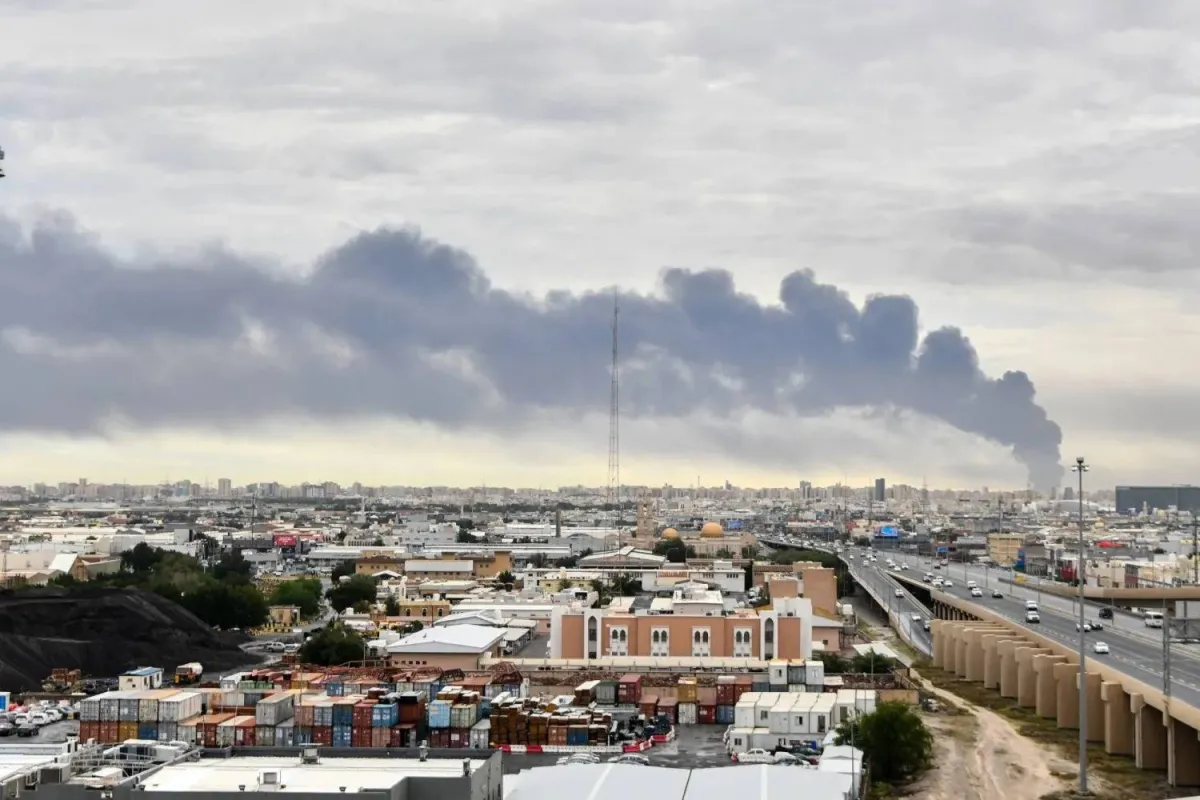
A joint ministerial meeting among the Gulf Cooperation Council (GCC) countries, Jordan, and China is set to take place on Wednesday through video conferencing, as announced by the GCC General Secretariat.
The meeting aims to discuss the repercussions of what the secretariat described as "brutal Iranian aggressions" targeting vital and civilian facilities in the Gulf states and Jordan, in a blatant violation of international laws and the United Nations Charter.
Details of the Meeting
During the meeting, ministers are expected to address the developments of the serious escalation in the region, as well as the efforts being made to deal with these aggressions. The meeting will also touch upon shared visions on how to counter Iranian aggressions, contributing to the preservation of the security and safety of states, citizens, and residents in the region.
This meeting comes just days after direct consultations between Gulf states, Jordan, and Russia, reflecting the growing regional concern over Iranian escalation.
Background & Context
Since February 28, Iran has continued its hostile attacks against Gulf states in response to the military pressures exerted by the United States and Israel. These aggressions have been met with widespread international condemnation, with many countries expressing solidarity with the affected states.
Official statistics indicate that there have been over 6000 attacks using ballistic missiles and drones targeting vital, civilian, and economic facilities in the six Gulf states and Jordan.
Impact & Consequences
On March 11, the United Nations Security Council adopted a resolution strongly condemning the ongoing Iranian attacks, considering them a violation of international law and a threat to international peace and security. The resolution affirmed the right of affected states to defend themselves, either individually or collectively, in accordance with Article 51 of the UN Charter, calling on Tehran to cease all its attacks immediately.
This Iranian escalation could exacerbate security conditions in the region, threatening regional stability and heightening tensions among the concerned states.
Regional Significance
This meeting is seen as an important step towards enhancing cooperation among Arab states in addressing common security challenges. It also reflects the Gulf's approach to strengthening strategic partnerships with major powers like China amid rising tensions in the region.
Under these circumstances, there is hope that these meetings will contribute to achieving security and stability in the region and avoiding military escalation that could lead to catastrophic outcomes.