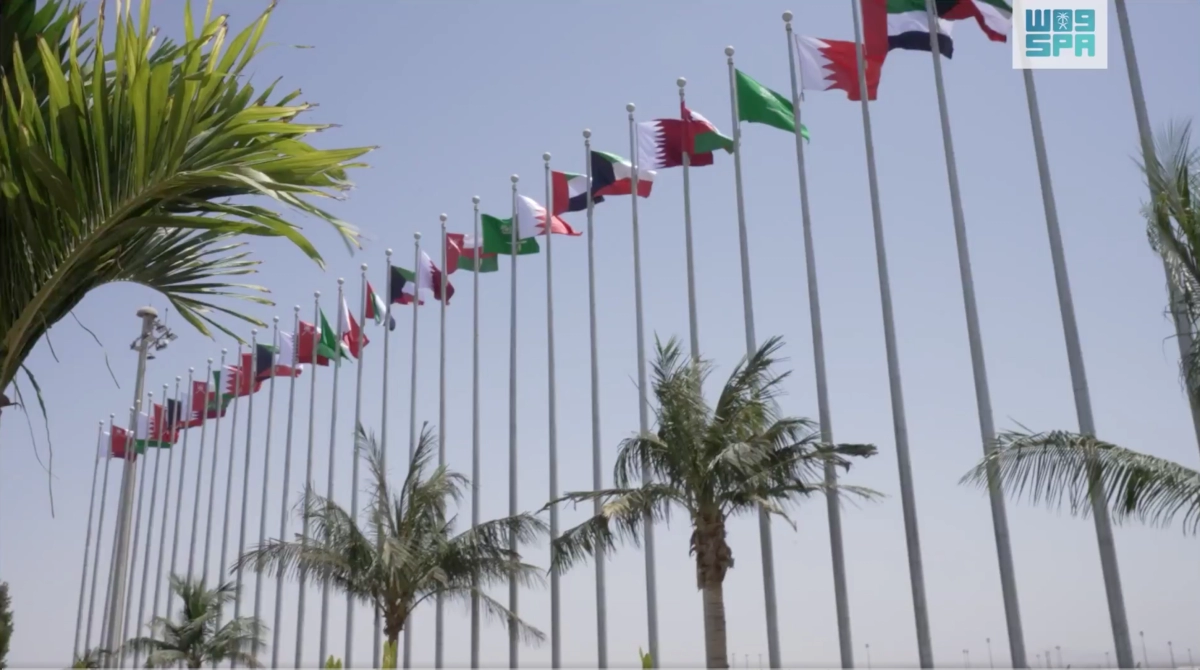
Gulf Cooperation Council (GCC) leaders gathered in the city of Jeddah on Tuesday to discuss the rising tensions in the region, with a focus on the risks associated with the Strait of Hormuz. The summit features several prominent leaders, including the Emir of Qatar, Sheikh Tamim bin Hamad Al Thani, the King of Bahrain, Hamad bin Isa Al Khalifa, the Crown Prince of Kuwait, Sheikh Sabah Khaled Al Sabah, and the Deputy Prime Minister and Minister of Foreign Affairs of the UAE, Sheikh Abdullah bin Zayed Al Nahyan.
This summit comes at a sensitive time as regional tensions escalate, increasing risks related to energy security and maritime navigation, particularly in the Strait of Hormuz, which is a vital corridor for energy supplies and international trade. Leaders are expected to focus on de-escalation efforts and measures to enhance regional security and stability, including addressing Iranian attacks and actions by affiliated groups targeting critical infrastructure.
Event Details
The summit will address critical issues, including the closure of the Strait of Hormuz, which is considered a vital passage for energy supplies and international trade. GCC leaders will assess the potential impact on shipping routes and global markets, exploring options to maintain the continuous flow of energy and goods while minimizing economic disruptions.
The summit will also review ongoing diplomatic initiatives, including mediation efforts led by Pakistan between the United States and Iran, aimed at easing tensions and reopening channels for dialogue. These efforts reflect the importance of regional and international cooperation in facing shared challenges.
Background & Context
Historically, the Strait of Hormuz is a vital strategic point, through which approximately 20% of the world's oil passes. The region has witnessed increasing tensions in recent years, particularly with the escalation of Iranian military activities, affecting the stability of global energy markets. The current summit comes at a time of growing concern regarding the ability of Gulf states to secure their energy supplies amid rising threats.
The GCC countries are striving to enhance security and economic cooperation in the face of these challenges. Recent events have underscored the importance of coordination among member states to ensure regional stability.
Impact & Consequences
The outcomes of this summit are significant, not only for the Gulf states but for the entire world. Any escalation of tensions in the Strait of Hormuz could lead to rising oil prices and increased instability in global markets. Therefore, the leaders' efforts in Jeddah aim to prevent any escalation that could negatively impact the global economy.
The summit is expected to yield strategic decisions aimed at enhancing regional security, which may contribute to improving relations between Gulf states and Iran, reopening channels of dialogue that could lead to easing the tense situation.
Regional Significance
Tensions in the Strait of Hormuz directly affect Arab countries, as many of these nations rely on energy supplies from the Gulf. Any escalation in the region could adversely impact the economic and social security of Arab nations. Thus, Gulf stability is vital for the overall stability of the region.
In conclusion, the Gulf summit in Jeddah represents an important opportunity to strengthen cooperation among member states and provide effective solutions to current challenges, contributing to achieving security and stability in the region.