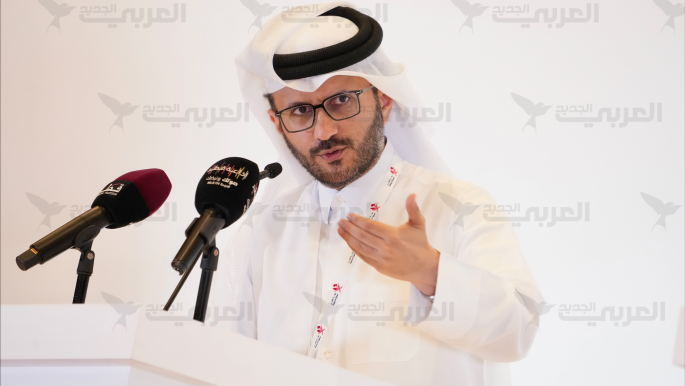
Qatar announced today that the position of the Gulf Arab states is unified in its call for de-escalation and an end to the war currently affecting the region, which has entered its second month. These statements come at a sensitive time, as concerns grow over the implications of the conflict on regional security.
The Gulf states, through this stance, aim to achieve long-term stability in the region, where tensions are escalating due to ongoing disputes. Qatar emphasized the importance of dialogue and understanding among the concerned parties as the only way to resolve the escalating crises.
Details of the Event
Amid the rising tensions in the region, Qatar confirmed that there is consensus among the Gulf states on the necessity of ending military operations. Qatari officials indicated that these efforts are part of enhancing regional cooperation and the need for collective action to face common challenges.
Reports have indicated that the Gulf states are working on a comprehensive plan aimed at achieving peace, which includes calls for sitting at the dialogue table among the conflicting parties. It has been stressed that military solutions will only exacerbate the situation, necessitating the search for peaceful resolutions.
Background & Context
Historically, the region has witnessed numerous conflicts that have led to worsening humanitarian and political conditions. Since the onset of the current conflict, fears have increased regarding its implications for regional security, with many neighboring countries being directly affected.
The Gulf states are among the most prominent actors in the regional political arena, always striving to maintain stability in the area. Recent years have seen significant shifts in relations among Gulf countries, reflecting the importance of cooperation and coordination in facing challenges.
Impact & Consequences
The continuation of the conflict in the region may lead to serious implications for regional security, including increased tensions between countries. Additionally, the humanitarian conditions in the affected areas may worsen, necessitating an urgent response from the international community.
The Gulf calls for de-escalation underscore the importance of understanding among the concerned parties, as these efforts can contribute to achieving lasting stability. Furthermore, cooperation among Gulf states may have a positive impact on international relations in the region.
Regional Significance
These calls are part of broader efforts to achieve peace in the Arab region, where many countries suffer from internal and external conflicts. Achieving stability in the Gulf could have a positive impact on neighboring countries, contributing to enhanced security and development.
In conclusion, hope remains pinned on the joint efforts of the Gulf states to end the conflict and achieve peace. Cooperation and understanding among the countries is the only way to ensure a secure and stable future for the region.