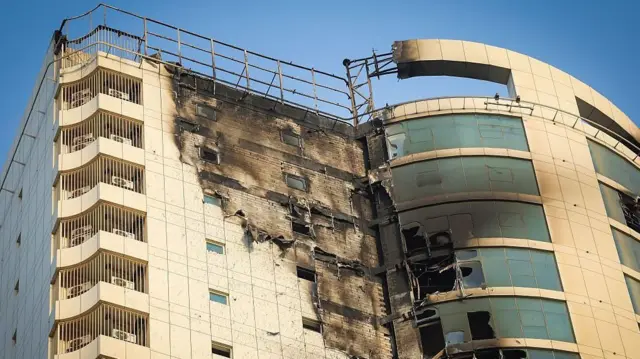
Gulf countries are seeking to reshape their military policies in light of the increasing tensions arising from the Iran war, with experts predicting that these nations will focus more on enhancing their defensive capabilities. This shift comes at a time when the region is facing escalating security challenges, necessitating proactive measures to ensure safety and stability.
Experts indicate that Gulf states will not halt their developmental progress but will instead work to bolster their military capabilities to counter potential threats. This approach reflects a growing awareness of the importance of national security under the current circumstances.
Details of the Current Situation
Concerns are mounting over the escalating tensions in the Gulf region, where the military policies of Gulf countries are directly influenced by events in Iran. In recent years, the region has witnessed a surge in military activities, prompting Gulf nations to consider new strategies to enhance their security.
These strategies include increasing defense spending, developing advanced military capabilities, and strengthening military cooperation with international allies. There are also growing calls for establishing new military alliances to confront security challenges.
Background & Context
Historically, Gulf states have relied on military protection from major powers, such as the United States. However, in light of recent geopolitical changes, these countries have begun to recognize the importance of building their own military capabilities. This transformation occurs at a time when the region is experiencing heightened tensions due to regional conflicts, including the dispute in Yemen and tensions with Iran.
Iran is considered a key player in these dynamics, as it seeks to expand its influence in the region. This situation raises concerns among Gulf states, which fear negative impacts on their security and stability.
Impact & Consequences
This shift in military policies is expected to lead to significant changes in the relationships between Gulf countries and Iran. The region may witness further tensions, as both Gulf states and Iran strive to enhance their military capabilities. This could result in a new arms race in the region, increasing the risks of military escalation.
Moreover, bolstering military capabilities may impact Gulf economies, as increased defense spending could necessitate cuts in investments in other areas. This situation could affect sustainable development in the region.
Regional Significance
The impacts of these developments extend beyond the Gulf states, potentially affecting stability in the broader Arab region. Amid rising tensions, Arab nations may find themselves compelled to reassess their security and military strategies. This could lead to changes in regional and international alliances.
Ultimately, the current situation requires Arab nations to think deeply about how to address the increasing security challenges and develop effective strategies to ensure security and stability in the region.