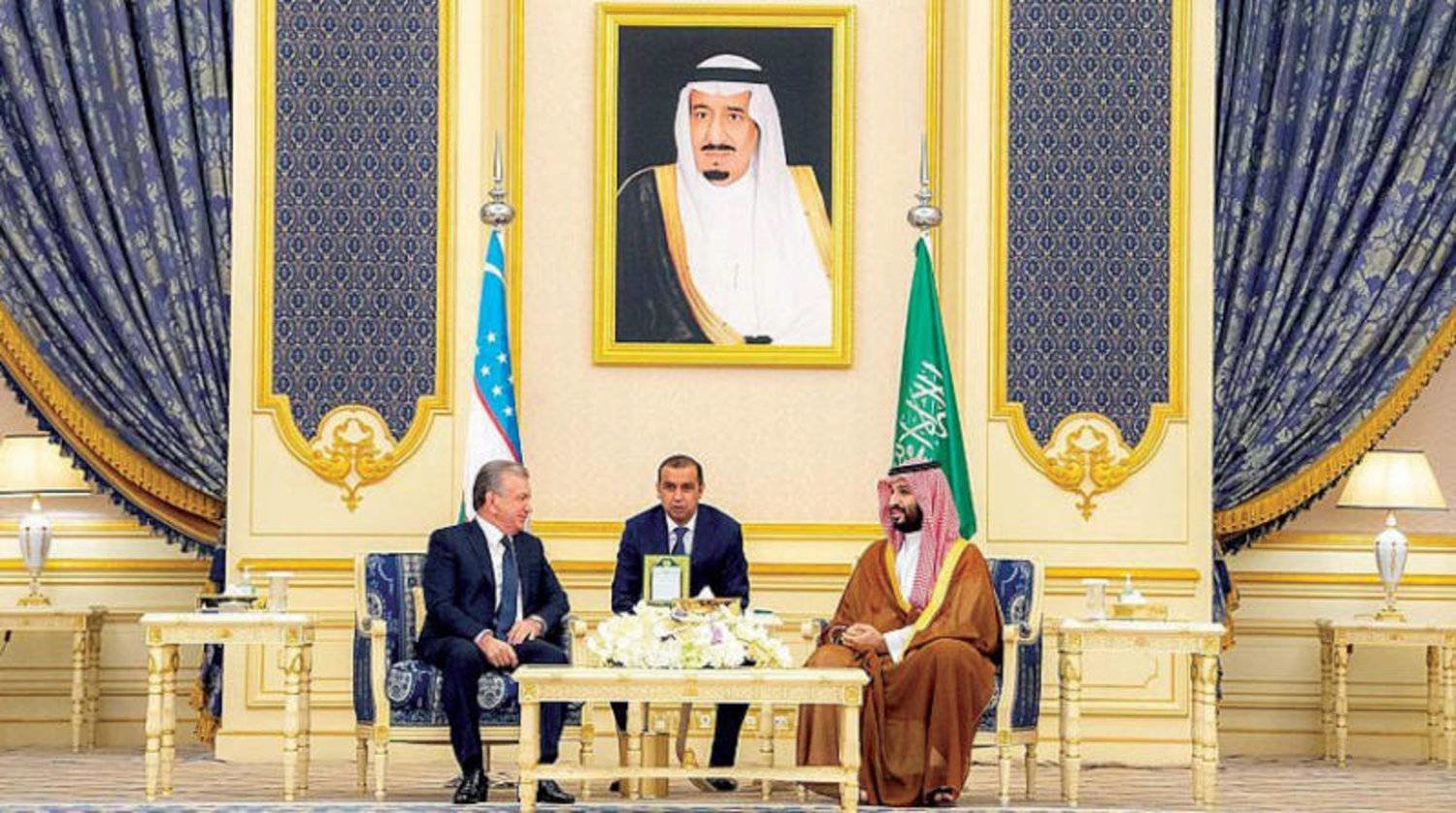
The Gulf Summit was held in Jeddah, where regional and international issues of concern to the Gulf Cooperation Council (GCC) countries were discussed. The necessity of enhancing coordination among member states to face common challenges was emphasized. The presence of Gulf leaders at the summit reflects the significance of regional cooperation under the current circumstances.
This summit comes at a sensitive time, as the region faces numerous challenges, including political and economic crises. During the session, leaders highlighted the importance of collective action to address these challenges and to enhance security and stability in the region.
Event Details
The summit discussed a range of issues, including regional security, economic cooperation, and environmental challenges. Relations with major powers and their impact on the region were also addressed. Leaders expressed their concerns regarding recent developments in some neighboring countries and stressed the importance of dialogue and understanding to resolve conflicts.
Joint initiatives aimed at enhancing cooperation in energy and trade were also reviewed. The summit provided an opportunity to exchange views on how to strengthen economic relations among member states and to develop joint strategies to tackle global economic challenges.
Background & Context
Historically, Gulf summits have represented a platform for coordinating policies among member states. In recent years, there has been a rise in regional tensions, increasing the importance of these meetings. The current summit follows a period of political tensions, reflecting the countries' desire to enhance cooperation and overcome differences.
In past years, there have been attempts to bolster cooperation among Gulf states, but political and economic challenges have hindered these efforts. The current summit represents a new opportunity to rebuild trust and strengthen ties among member states.
Impact & Consequences
The outcomes of the summit are expected to contribute to enhancing security and stability in the region. Cooperation among Gulf states could lead to improved economic conditions and increased joint investments. Additionally, security coordination can help address common threats, such as terrorism and extremism.
Regional cooperation can also contribute to improving relations with major powers, thereby strengthening the position of Gulf countries on the international stage. The summit represents a step towards achieving sustainable development goals and enhancing cooperation across multiple fields.
Regional Significance
The impact of the Gulf Summit extends to other Arab countries, as it may encourage the strengthening of cooperation among Arab states in facing common challenges. Strong relations among Gulf countries can serve as a model for other Arab nations.
Moreover, enhancing economic and security cooperation among Gulf states can contribute to the stability of the region as a whole, benefiting all Arab countries. The summit represents an opportunity to reinforce Arab solidarity in the face of crises.