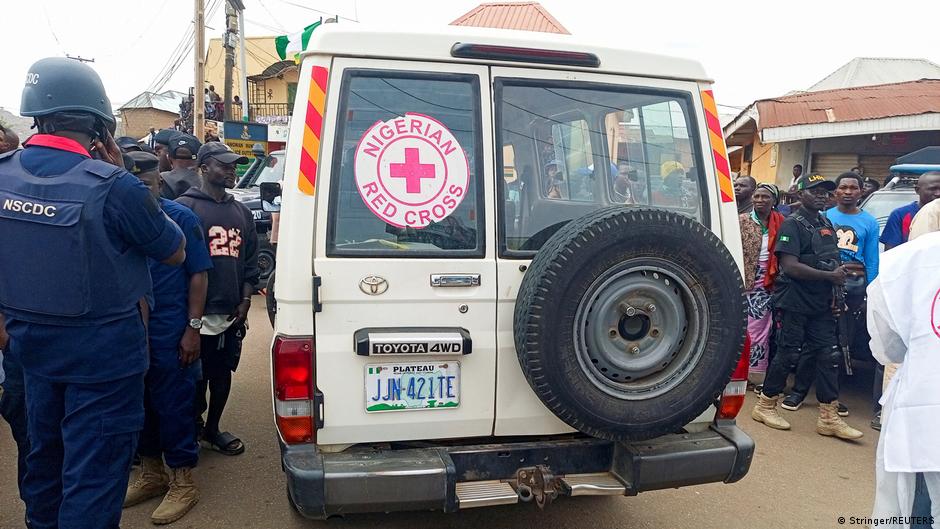
The Plateau State government in central Nigeria has announced a 48-hour curfew in the northern Jos area following an armed attack that occurred in the Angwan Rokupa neighborhood last night. The attack, which targeted a bar, resulted in the deaths of dozens and injuries to many individuals.
In an official statement, the government described the incident as a "tragic security event," emphasizing that it would make every effort necessary to apprehend the attackers and bring them to justice. The government urged citizens to "remain calm and fully cooperate with security agencies."
Details of the Incident
Although local authorities have not provided an official death toll, news agencies such as Reuters and AFP reported that representatives from local youth organizations confirmed that at least 30 people were killed. Residents reported that the gunmen arrived in the Gari Ya Wai community in the Angwan Rokupa neighborhood, which is closely linked to the University of Jos, and opened fire indiscriminately on those present.
In the aftermath of the attack, the area witnessed riots as residents attempted to retaliate, escalating tensions in the region. The University of Jos also canceled all examinations for two days as a precautionary measure.
Background & Context
Historically, Plateau State has experienced tensions between Muslim Fulani herders and Christian farmers, although the debate over the extent to which religion influences these conflicts remains contentious. The conflicts are often driven by factors such as competition for land and resources, which have been exacerbated by population growth and climate change.
In recent years, incidents of kidnapping and attacks on Christian communities have surged, leading to increased concern among the populace. Last year, former U.S. President Donald Trump reclassified Nigeria as a "country of concern," citing the targeting of Christians and the failure of authorities to protect them, a claim denied by the Nigerian government.
Impact & Consequences
The recent attack highlights the ongoing security challenges facing Nigeria, as the government struggles to secure the northern regions of the country. Despite efforts to bolster security, armed groups and tribal conflicts continue to pose real threats to the population.
The deteriorating security situation in Nigeria also affects regional stability, potentially leading to an influx of refugees and increased tensions among different communities. This attack reflects the urgent need for effective strategies to combat violence and achieve peace in the region.
Regional Significance
The events in Nigeria hold particular importance for Arab countries, as they reflect the security challenges faced by many nations in the region. The ethnic and religious conflicts in Nigeria could serve as a model for what may occur in other areas if the root causes of conflict are not addressed.
Furthermore, the security situation in Nigeria impacts Arab interests, especially in trade and investment. Therefore, enhancing security cooperation between Arab nations and Nigeria may be a necessary step to address these challenges.