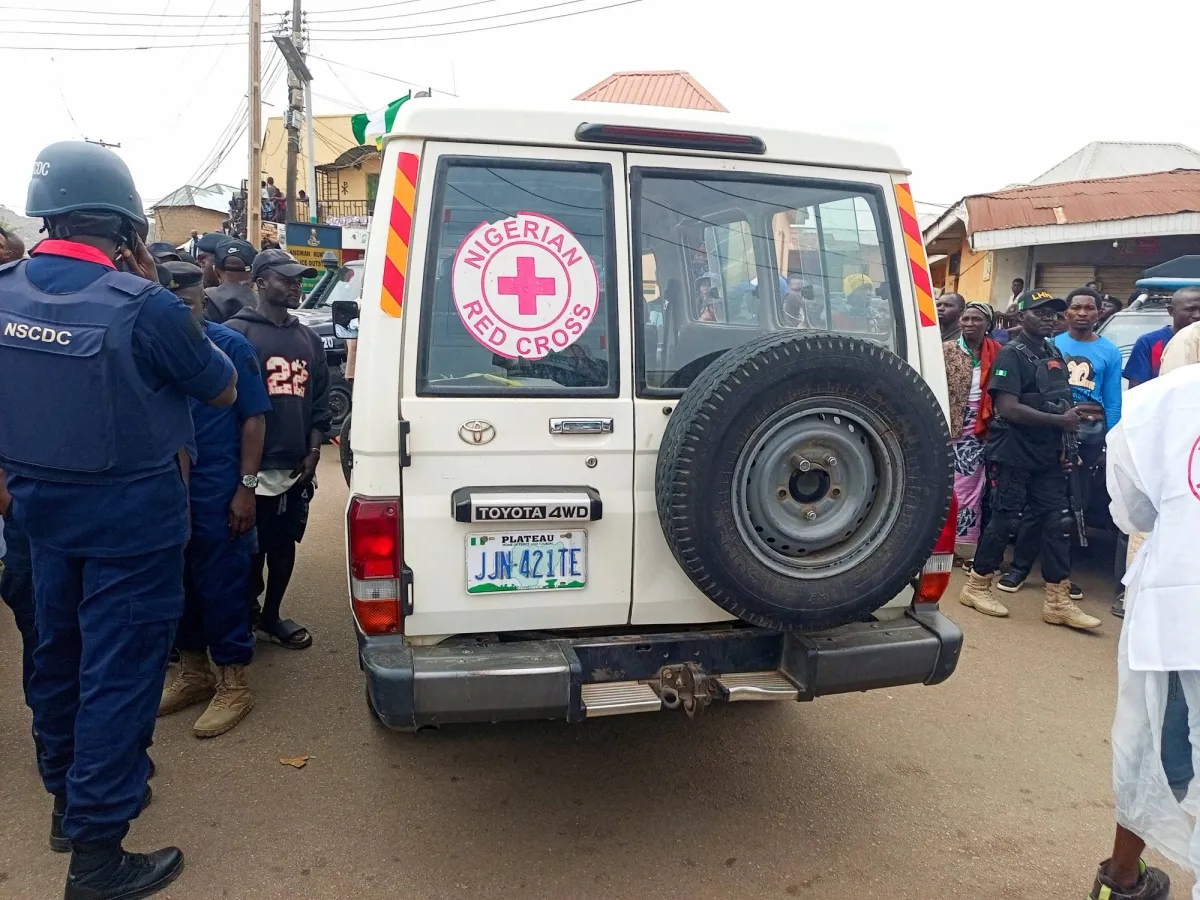
In a violent attack in Benue State, Nigeria, at least 17 people were killed, according to local officials and residents. The incident, which occurred on Sunday, comes at a time when the country is experiencing escalating violence and ethnic conflicts.
Benue State is located in an area that has seen ongoing conflicts between farmers and herders, as both parties dispute fertile land and natural resources. The region also faces kidnapping for ransom carried out by local armed groups known as "bandits."
Details of the Incident
The spokesperson for the Benue State government, Terhemen Kola, confirmed the attack in the village of Mbaluom in the Gwer East area, noting that accurate casualty figures were not available at that moment. One resident, Terser Ngotor, told Agence France-Presse, "I can confirm that 17 people have died." He added that the attackers arrived late in the afternoon and opened fire indiscriminately, causing panic and chaos among the residents.
Another resident, Gbadji John, also reported the death of 17 individuals and injuries to many others. The Governor of Benue State, Hyacinth Alia, blamed suspected armed herders for the attack, describing the incident as "barbaric."
Background & Context
Nigeria has been experiencing heightened security tensions for years, facing multiple challenges including attacks from the Boko Haram group and the ISIS West Africa affiliate, alongside increasing activity from organized crime networks specializing in kidnapping for ransom. Ethnic conflicts between Muslims and Christians are also on the rise, complicating the security situation.
In Kaduna State, the Nigerian army announced the rescue of 31 civilians who were held hostage during an attack on a church, where 5 people were killed at the scene. These events reflect the deteriorating security situation in the country, with increasing attacks on local communities.
Impact & Consequences
These recurring attacks exacerbate the humanitarian situation in Nigeria, where residents face significant challenges related to safety and security. These events also impact the local economy, as fears of displacement and migration increase, hindering economic activities and raising poverty rates.
Such conditions require an urgent response from the Nigerian government and the international community, as security efforts must be strengthened and support provided to victims and affected communities. Additionally, addressing the root causes of conflicts, including competition for natural resources, is essential.
Regional Significance
The events in Nigeria highlight the need for enhanced regional and international cooperation to address security challenges. The situation in Nigeria could also affect stability in the West African region, necessitating greater attention from Arab countries and the international community.
In conclusion, Nigeria remains in dire need of effective strategies to address violence and conflicts, requiring a concerted effort from local and international stakeholders to ensure peace and stability in the country.