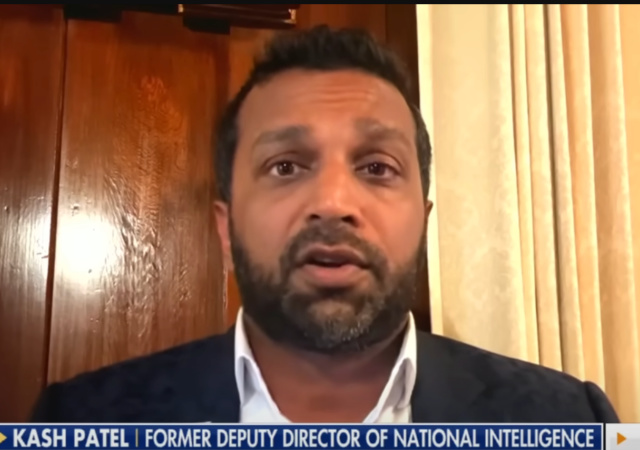
A group of hackers known as 'Hanzala', believed to be linked to Iran, has announced its responsibility for breaching the personal email of Kash Patel, the FBI Director. The group published images and documents that they claimed to have obtained from the account, raising widespread concern within U.S. security circles.
This breach is part of a series of cyberattacks targeting prominent figures in the United States, reflecting the increasing tensions between Iran and the U.S. Reports indicate that this group employed advanced techniques to penetrate security systems, highlighting the challenges faced by security agencies in protecting sensitive information.
Details of the Incident
The information leaked from Patel's email, who holds one of the most significant security positions in the United States. The leaked documents revealed details related to the operations of the bureau, raising fears that this information could be exploited by hostile entities.
This incident comes at a time when tensions between Iran and the U.S. are escalating, as both countries seek to enhance their influence in the region. Reports have confirmed that the 'Hanzala' group utilized sophisticated methods in the breach, reflecting a high level of planning and organization.
Background & Context
Historically, relations between Iran and the United States have seen increasing tensions, especially after the U.S. withdrawal from the nuclear deal in 2018. Since then, hostile cyber activities by groups linked to Iran have surged, targeting numerous government and private institutions in the U.S..
Cyberattacks are considered part of Iran's strategy to counter sanctions and international pressures. Many studies have shown that these activities are not new but are part of a long-standing pattern of cyberattacks aimed at destabilizing adversaries.
Impact & Consequences
This breach could have serious implications for U.S. national security, potentially leading to the leakage of sensitive information that could be used against the United States in the future. Additionally, this incident may affect confidence in the ability of U.S. security agencies to protect sensitive information.
Moreover, this breach could escalate tensions between Iran and the U.S., as the U.S. may take retaliatory actions against Iran or individuals linked to the attack. This could contribute to worsening conditions in the Middle East, which is already suffering from instability.
Regional Significance
This incident serves as an indicator of the rising cyber activities in the region, potentially encouraging other groups to carry out similar attacks. The escalation between Iran and the U.S. may also affect neighboring Arab countries, which could find themselves caught in an intensifying conflict.
Furthermore, these events may lead to enhanced cooperation between Arab countries and the United States in the field of cybersecurity, as nations seek to protect themselves from increasing threats.
In conclusion, this breach underscores the importance of strengthening cybersecurity in the face of rising threats. Countries must be prepared to confront the new challenges that arise in an increasingly interconnected world.