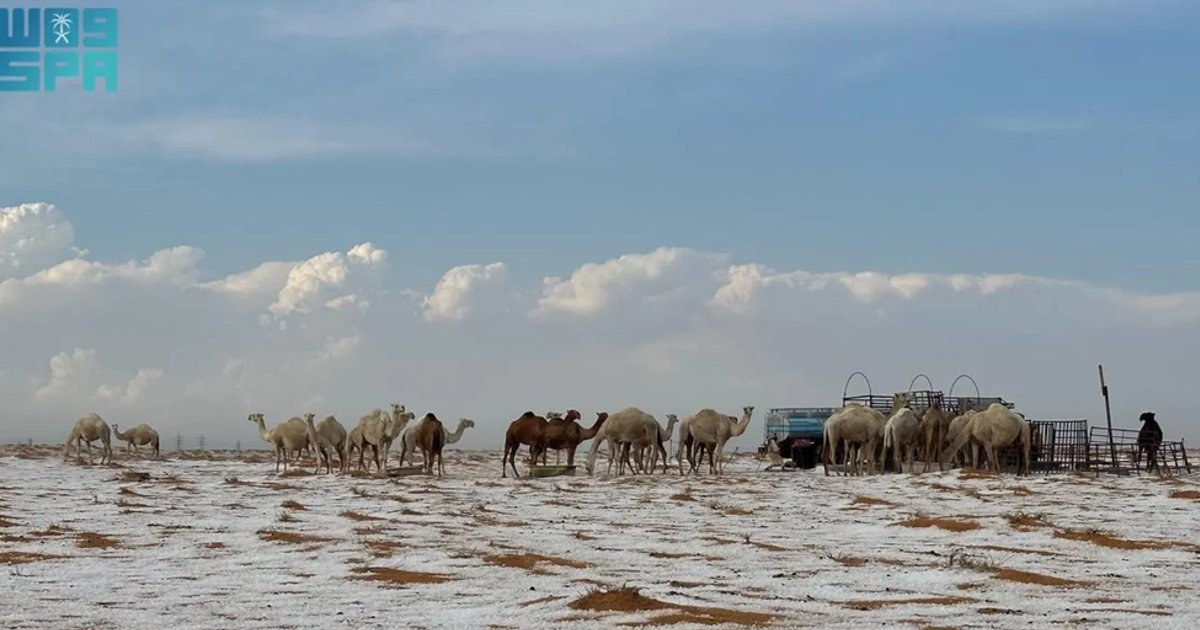
Today, the city of Hail recorded the lowest temperature in Saudi Arabia, with the mercury dropping to 3 degrees Celsius, making it the coldest city in the kingdom. This sudden drop in temperatures comes at a time when the country is experiencing notable climatic fluctuations, raising questions about the impact of these phenomena on the daily lives of citizens.
Located in the north of the kingdom, Hail is known for its significant climatic variations, characterized by harsh winters and hot summers. However, the current drop in temperatures is among the lowest recorded in recent years, causing concern among residents about the effects of these weather conditions on their health and daily activities.
Event Details
According to reports, Hail has recorded temperatures lower than the normal average, with the temperature dropping to 3 degrees Celsius, while temperatures in other regions of the kingdom ranged between 10 to 15 degrees Celsius. This disparity reflects the climatic changes affecting the kingdom as a whole, with the country occasionally experiencing severe cold waves.
The meteorological authorities have reported that this cold wave may last for several days, requiring citizens to take necessary precautions to cope with the harsh weather conditions. Relevant authorities have urged residents to wear heavy clothing and avoid direct exposure to the cold.
Background & Context
Historically, Saudi Arabia has experienced climatic fluctuations; however, recent years have seen a notable increase in the severity of these fluctuations. The global climate change affecting the entire world has not spared any region, including the kingdom. Studies have shown that rising global temperatures directly impact weather patterns in the region.
In past years, the kingdom has faced severe heat waves, but it is now encountering new challenges characterized by unusually low temperatures. This climatic change may affect agriculture, public health, and the economy in general.
Impact & Consequences
Low temperatures can have negative effects on public health, increasing health risks such as colds and influenza. Additionally, these conditions may impact economic activities, especially in sectors that depend on weather, such as agriculture and tourism.
Furthermore, the drop in temperatures may lead to increased demand for energy for heating, which could place additional pressure on the kingdom's electricity grid. This situation requires authorities to take proactive measures to ensure the necessary energy supply for citizens.
Regional Significance
Hail is part of a larger region experiencing increasing climatic changes, with many Arab countries facing unprecedented cold waves. This situation necessitates cooperation among Arab countries to address climate challenges through the exchange of information and expertise.
Moreover, severe climatic events in the Middle East may exacerbate humanitarian crises, especially in areas suffering from conflicts. Therefore, a coordinated response is essential to tackle these challenges.
In conclusion, the drop in temperatures in Hail serves as a reminder of the importance of preparing for climate changes that affect our lives. Everyone should be aware of these changes and take necessary actions to protect themselves and their communities.