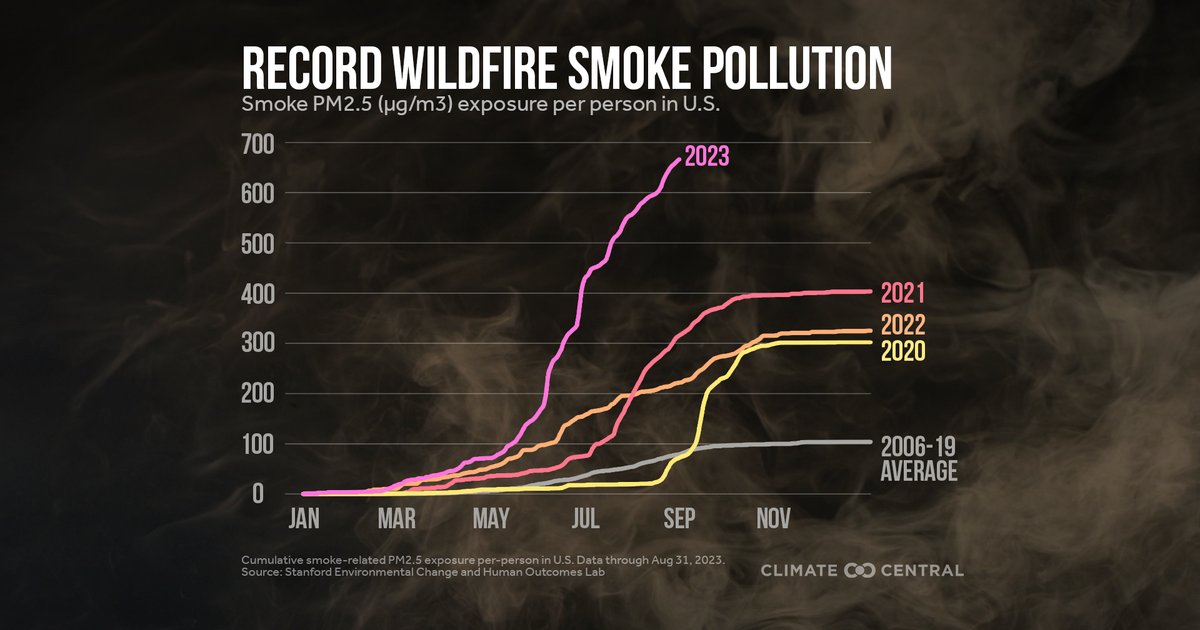
Several American cities are facing a serious health crisis due to air pollution resulting from wildfires, with local authorities urging nearly 500,000 people to stay indoors. These warnings come amid rising levels of toxic substances in the air, posing a threat to public health.
Major cities such as San Francisco and Seattle are recording unprecedented levels of air pollution, with data showing a significant decline in air quality, exacerbating health symptoms among residents, particularly those with respiratory issues.
Event Details
Reports indicate that wildfires sweeping across vast areas of the United States, including California and Oregon, have led to increased smoke and ash in the atmosphere, contributing to the deterioration of air quality. The California Environmental Protection Agency has issued official warnings, stating that levels of fine particulate matter in the air have exceeded safe limits.
In a related context, health authorities have issued recommendations for citizens, including avoiding outdoor activities and using air purifiers at home. Some schools and public activities have been closed as a precautionary measure to protect citizens.
Background & Context
Wildfires are a recurring phenomenon in the United States, especially during the summer months, where dry climatic conditions and rising temperatures contribute to the outbreak of these fires. However, this year has seen a notable increase in the number of wildfires, exacerbating health and environmental conditions.
Historically, wildfires have posed a significant challenge for authorities, but current climate changes have made them harder to control. Studies have shown that climate change increases the intensity and duration of wildfires, thereby multiplying health risks for the population.
Impact & Consequences
The repercussions of air pollution in the United States extend beyond health boundaries to economic and social impacts. Such crises can increase pressure on the healthcare system, requiring additional resources to address health emergencies.
Moreover, the deterioration of air quality may adversely affect economic activities, with sectors such as tourism and commerce potentially suffering due to public concerns over health and safety. Consequently, these crises could lead to a decline in economic growth in affected areas.
Regional Significance
Although the situation in the United States may seem distant from the Arab region, the impacts of climate change and wildfires could have global repercussions. Climate changes affect all countries, including Arab nations facing similar environmental challenges.
The Arab region is among the most vulnerable to climate changes, necessitating proactive measures to address environmental challenges. The American experiences in dealing with wildfires and air pollution could serve as an important lesson for Arab countries on how to manage environmental crises.
In conclusion, the air pollution crisis in the United States serves as a reminder of the urgent need for immediate action to tackle environmental challenges, as the health and safety of citizens depend on an effective response from authorities.