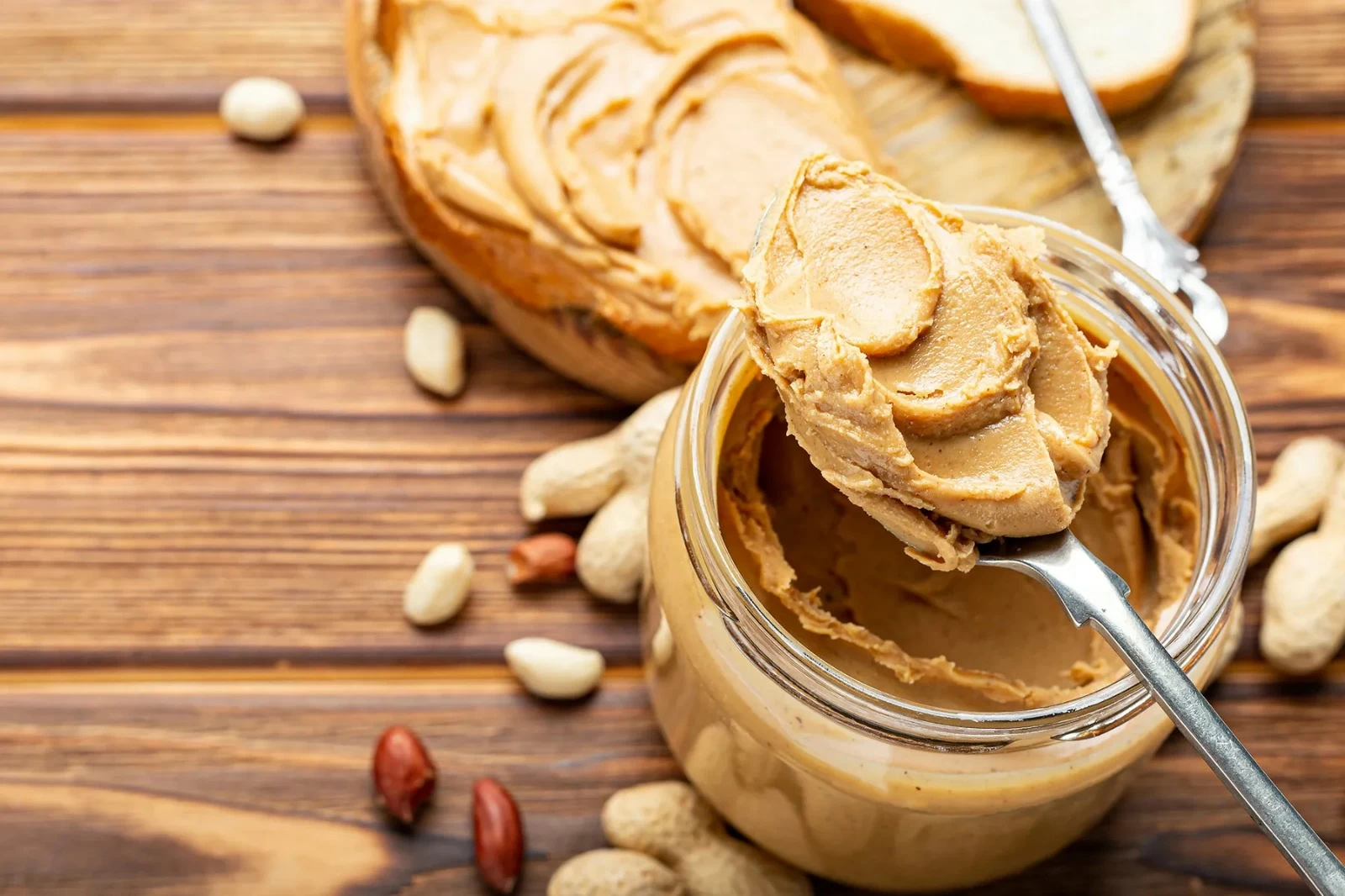
Peanut butter is considered one of the most beloved foods worldwide, used in various recipes, from sandwiches to desserts, and even eaten straight from the jar. With its rising popularity in recent years, an important question arises: is peanut butter really a healthy option or just a calorie-rich indulgence?
Peanut butter is neither a "harmful food" nor "entirely healthy"; its benefits depend on the quantity and method of consumption. It is rich in beneficial nutrients, yet high in calories, making moderation the key to enjoying it without adverse effects.
Details of the Event
Recent surveys indicate that about one-third of people consume peanut butter several times a week, with 43% preferring the crunchy variety compared to 33% for the smooth type, reflecting an ongoing nutritional debate regarding consumer preferences.
Nutrition experts explain that peanut butter contains essential nutrients such as healthy unsaturated fats, protein, and fiber, along with vitamins like Vitamin E and some B vitamins, as well as minerals like magnesium and copper. Experts from the University Hospitals of Leicester, part of the UK's National Health Service, have confirmed that consuming it at breakfast is a good option, as its components help slow down digestion, providing a longer feeling of fullness.
Background & Context
Despite its benefits, peanut butter remains a high-calorie food, with a single tablespoon (15 grams) containing about 100 calories, making excessive consumption a potential cause of weight gain. However, studies suggest that nut consumption, including peanut butter, may be associated with less weight gain in the long term, thanks to its ability to regulate appetite and reduce feelings of hunger.
In its natural form, peanut butter contains a small amount of sugar, but some commercial varieties add extra sugar, oils, and salt to enhance texture and flavor. Experts emphasize that these additions are usually limited, but the problem arises when consumed in excess, especially when added to beverages or desserts.
Impact & Consequences
Contrary to popular belief, peanut butter is not a primary source of protein; a small amount contains protein equivalent to about half an egg, while fats remain the main component. Peanut butter contains unsaturated fats, which help lower harmful cholesterol and reduce the risk of heart disease, especially when replacing saturated fats. However, some varieties containing palm oil may increase saturated fat levels, necessitating moderation in consumption.
Certain groups should be cautious when consuming peanut butter, notably: those with peanut allergies, individuals suffering from acid reflux, patients with high blood pressure (due to salt in some varieties), and those prone to kidney stones.
Regional Significance
Experts recommend consuming peanut butter with healthy foods like fruits (apples or bananas) or whole-grain bread, or as a snack with rice cakes, to enhance nutritional value and reduce excessive calorie intake. Peanut butter remains a good option, but alternatives like almond butter may offer higher nutritional elements, such as fiber, Vitamin E, and healthier fats, making them a preferred choice among some nutritionists.
In conclusion, consuming peanut butter is a favored choice for many, but it is important to consider the quantity and method of consumption to achieve the desired health benefits.