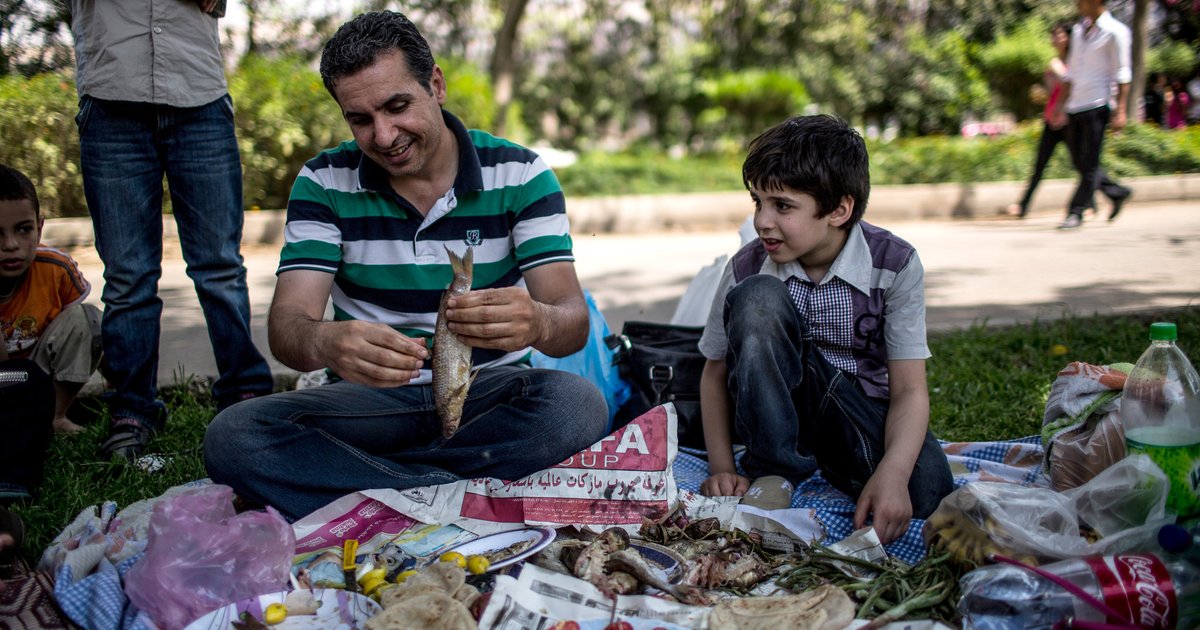
As Sham El-Nessim 2026 approaches, the demand for feseekh, a traditional dish associated with this occasion, is increasing. However, health experts have warned against overindulgence, noting that it can lead to serious health issues.
Feseekh, which is made from salted fish, contains a high level of salt, potentially leading to various health problems. Among the possible risks is high blood pressure, which can result in serious heart complications, especially for individuals with chronic illnesses.
Event Details
The Sham El-Nessim celebrations are an ancient tradition in Egyptian culture, where people gather to enjoy feseekh, herring, and salads. However, consuming large quantities of feseekh can lead to health issues such as food poisoning, due to preparation and storage methods that may not always be safe.
Doctors have reported that feseekh may harbor harmful bacteria, such as Salmonella, which can cause food poisoning. Therefore, it is advised to avoid consuming feseekh from unreliable sources or without proper guarantees.
Background & Context
The origins of consuming feseekh during Sham El-Nessim date back to ancient times, where it was considered a symbol of fertility and spring. Over time, it has become an integral part of Egyptian celebrations, but this should be accompanied by awareness of the associated health risks.
In recent years, warnings about feseekh consumption have increased, particularly with the rise in food poisoning cases linked to it. Thus, it is important for consumers to know how to select good quality feseekh and store it properly.
Impact & Consequences
The health risks extend beyond individual concerns to social and economic impacts. Increased rates of food poisoning could place additional pressure on the healthcare system, leading to extra costs for the state and society.
Moreover, raising awareness about the health risks associated with feseekh may influence consumer habits, potentially leading to a decline in demand for this traditional product in the future.
Regional Significance
Feseekh is part of the culinary heritage in many Arab countries, not just Egypt. Therefore, awareness of the health risks associated with its consumption could have broader implications for food culture in the region.
With the growing health consciousness, some countries may shift towards promoting a culture of healthy eating, which could affect traditional feseekh consumption practices in the future.
In conclusion, fans of feseekh during Sham El-Nessim 2026 should be aware of the health risks associated with its consumption. It is essential to choose reliable sources and practice moderation to maintain public health.